LNG Prices Rise as Europe Storage Stays Low
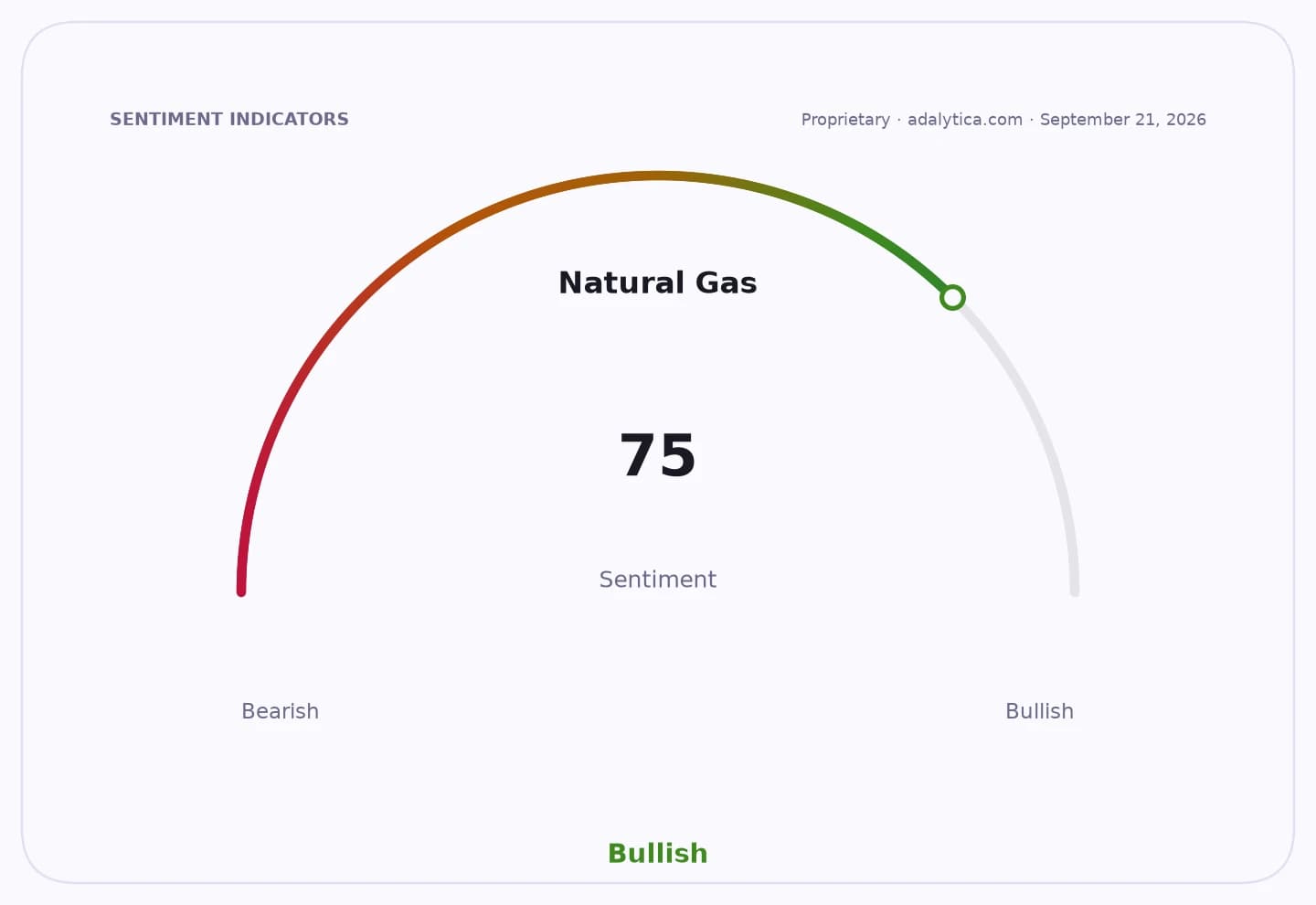
LNG prices still have room to rise by roughly a third from already elevated levels as the squeeze on supply from the Persian Gulf collides with Europe’s weakest gas storage position in years, keeping a winter price shock very much on the table.
That is the key investment message from a market now being shaped less by normal seasonal demand and more by geopolitics. With Qatar and the UAE still largely unable to move LNG freely through the Strait of Hormuz, buyers in Europe and Asia are fighting over the same limited pool of non-Middle Eastern cargoes. The result is a tighter global balance, a faster draw on available supply and a higher floor for prices heading into the coldest months.
Spot LNG prices in Northeast Asia have already surged to $28.40 per million British thermal units this week, up $2.70 from last week, according to Energy Intelligence. Analysts and traders interviewed at the Gastech conference in Bangkok say prices near $30 per MMBtu can still climb toward $40 in a colder-than-usual winter, a level that would amount to roughly $240 a barrel of Brent on an energy-equivalent basis and begin to crush demand.
That matters because Europe enters winter with storage less than 70% full, versus about 82% a year ago and more than 80% on average for this time of year. In other words, the market does not have the buffer it usually relies on if temperatures fall and Russian pipeline gas remains absent. When storage is low and cargoes are scarce, spot LNG stops being a commodity market and starts behaving like a panic market.
For investors, that is a double-edged setup. Higher LNG prices can lift the economics for exporters, liquefaction operators and shipping names with exposure to the Atlantic Basin and Pacific Basin trade. Cheniere Energy, the ticker most closely tied to U.S. LNG export economics, looks better positioned if global spot prices stay firm and buyers keep scrambling for destination-flexible volumes. Shipping also stays in the sweet spot as rerouted flows and longer voyages support vessel demand and charter rates.
But the market underestimates the second-order effect: price spikes above $20 to $30 per MMBtu are not just bullish for producers, they are destructive for demand. Asian buyers have already started pulling back, and India is especially vulnerable. That means the winners are not broad energy consumers or industrials, but the companies selling the molecules, the terminals handling them and the shipping assets moving them.
Shell’s Integrated Gas chief Cederic Cremers called Europe’s storage position “historically low” heading into the end of fall, and that is the right way to frame the trade. This is not a simple winter-weather story; it is a geopolitical supply shock meeting a structurally tight gas system. If flows through Hormuz do not normalize by year-end, every cold snap becomes a catalyst, and every cargo becomes more valuable than the last.
The next move in LNG will likely come from weather, not policy. A warm winter could cap the rally. A cold one could force the market into outright demand destruction. For now, though, the asymmetry remains clear: the upside in LNG prices is still open, while the downside is increasingly constrained by geopolitics and thin inventories. Investors looking for exposure should favor the exporters, LNG shippers and infrastructure names that profit from scarcity, not the end users who will pay for it.
| Entity | Gains | Losses |
|---|---|---|
| LNG exporters | ▲Higher realized prices | ▼Demand destruction risk |
| LNG shippers | ▲Stronger charter rates | ▼Longer reroute risk |
| European utilities/importers | ▲Security of supply | ▼Higher winter costs |
| Asian buyers/industrial users | ▲Diversification push | ▼Soaring spot bills |