LNG Winter Planning Rises as Supply Tightens
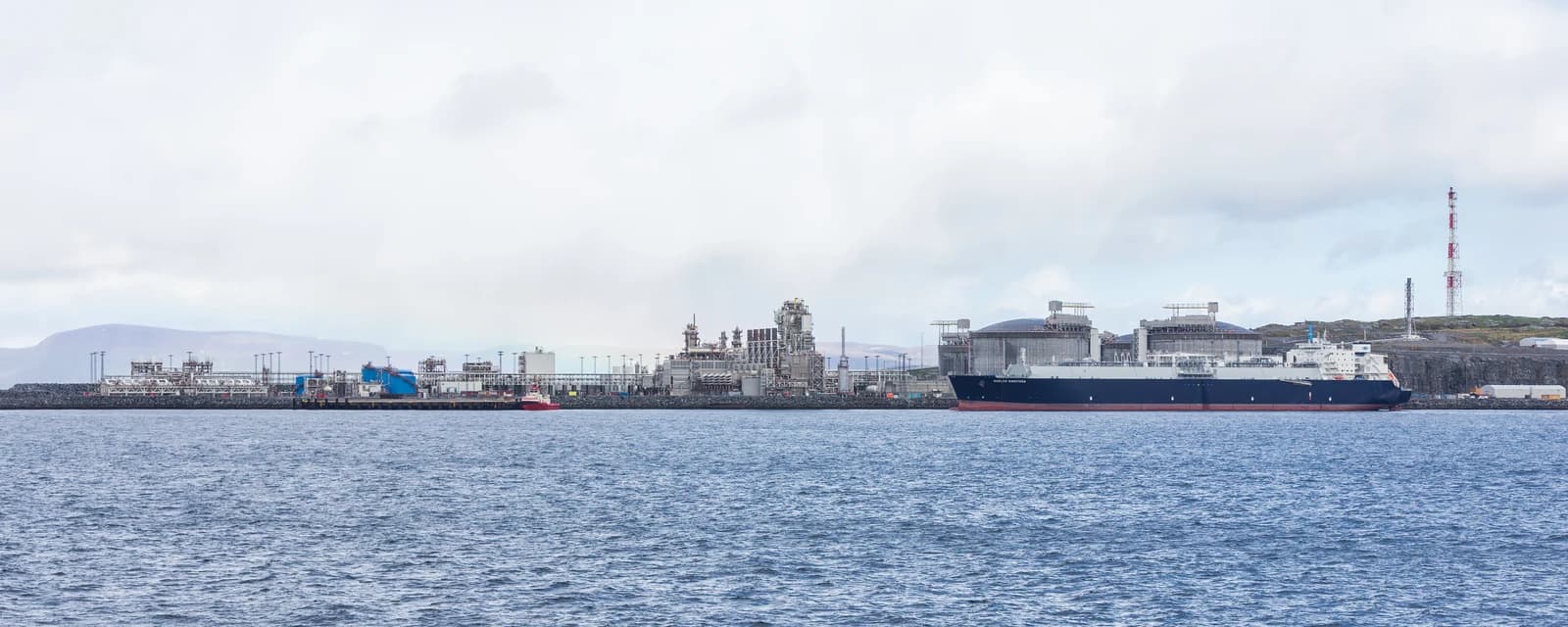
Europe’s scramble for LNG ahead of winter is making annual delivery planning in the industry less of a scheduling exercise and more of a profit-protection strategy.
The combination of constrained global supply, Middle East transit risk and elevated financing costs is forcing LNG buyers and sellers to rethink how they allocate cargoes, contract volumes and shipping capacity over the year. That matters economically because LNG trade is increasingly shaped by scarcity and timing rather than by simple production growth: when spare supply is thin, the value of getting the right cargo to the right market in the right month rises sharply, and mistakes can cascade into power shortages, emergency purchases and price spikes.
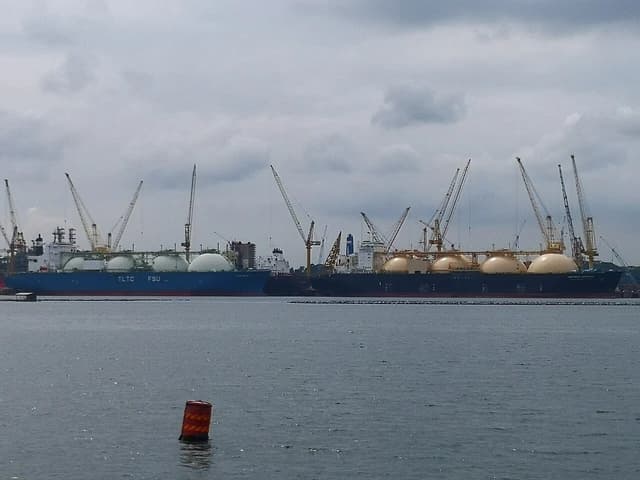
That backdrop helps explain why LNG investors are paying close attention to optimization frameworks that can handle uncertainty in annual delivery planning. The problem is not just production forecasting. It includes vessel availability, terminal constraints, weather-driven demand, rival bids from Europe and Asia, and geopolitical disruptions that can reroute cargoes or leave them stranded. In a market this tight, even small planning errors can mean lost margin for exporters or costly spot-market replacement for utilities and importers.
The pressure is showing up in pricing and market behavior. Brent crude, while not the direct driver of LNG economics, remains near $83.85 a barrel in the latest forecast, underscoring a still-firm energy complex. U.S. 10-year Treasury yields are around 4.78%, keeping the cost of capital elevated for infrastructure-heavy LNG projects, while high-yield credit spreads near 2.58 percentage points suggest investors are still demanding compensation for risk. In natural gas itself, Adalytica’s trade-signal snapshot shows sentiment at 22, labeled “Fear,” with 30-day sentiment down 17 points, a sign the market is already leaning toward caution rather than comfort.
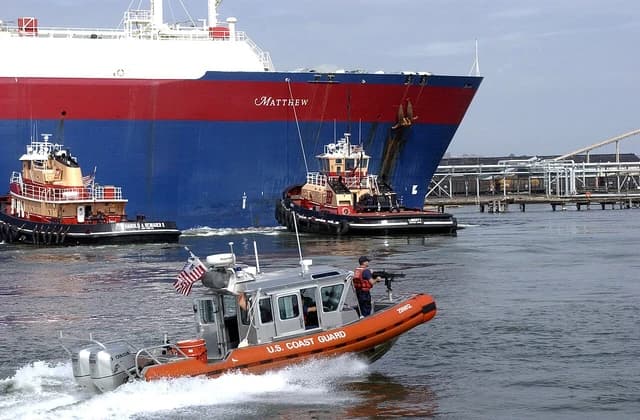
For listed LNG names, the market is rewarding exposure to tight supply and pricing power. Cheniere Energy’s shares have climbed to $294.13, with the stock above both its 50-day and 200-day moving averages and RSI readings in overbought territory, reflecting strong momentum as investors price in durable cash generation. Flex LNG has also advanced to $31.47, trading above its short- and long-term moving averages with relatively firm momentum indicators. But the bull case depends on supply discipline holding through winter; the bear case is that any easing in shipping disruptions, weather, or geopolitical tension could quickly cool margins and compress the premium embedded in cargo scheduling.
The broader lesson is that LNG has entered a phase where operational planning is a competitive edge. Companies that can simulate uncertainty across prices, shipping, outages and policy shocks will be better placed to lock in annual delivery plans, protect contracted volumes and preserve balance-sheet flexibility. Those that cannot may find that tight markets magnify every error.
| Entity | Gains | Losses |
|---|---|---|
| LNG exporters | ▲Higher realized prices | ▼Missed cargo timing |
| LNG importers | ▲Better planning tools | ▼Spot replacement costs |
| Shipping operators | ▲Tighter vessel utilization | ▼Idle capacity risk |
| Investors in LNG stocks | ▲Stronger cash flows | ▼Valuation risk if supply eases |