Loblaw Stock Trades at C$118.94 as Revenue Rises
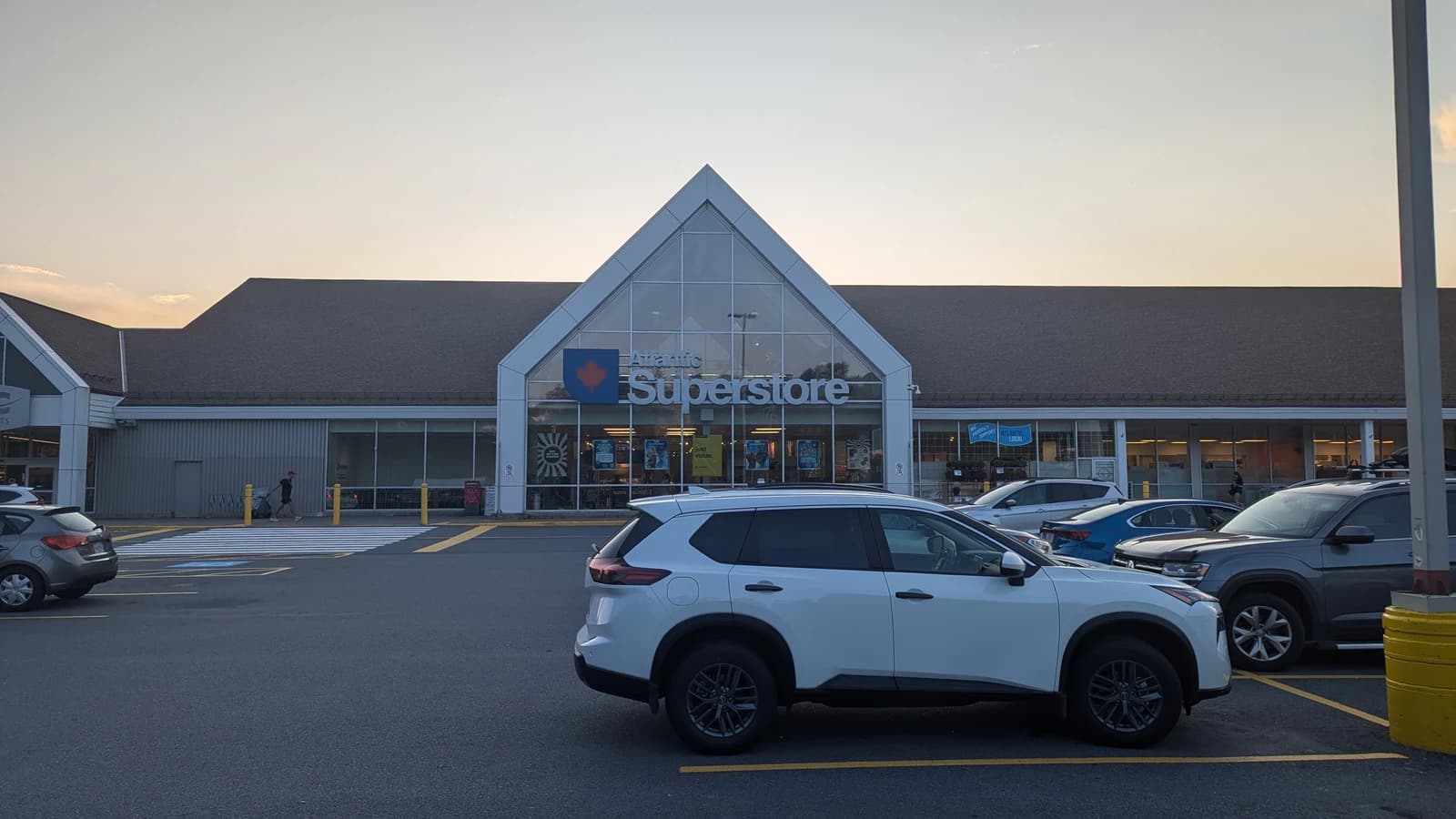
Loblaw’s higher revenue points to a familiar but economically important shift: Canadian consumers are still spending, but increasingly on lower-priced goods as household budgets remain under pressure.
That matters because grocery demand is one of the clearest real-time gauges of consumer strain. When shoppers move toward private-label items, value packs and discount banners, revenue can rise even if volumes are flat, while margins often face pressure from a more price-sensitive basket. For investors, the key question is whether Loblaw can keep capturing those trade-down flows without sacrificing profitability.
The result also fits a broader pattern in defensive retail. Value-oriented chains tend to outperform when consumers are focused on affordability, and Loblaw’s scale, pharmacy footprint and mix of essential goods give it an advantage in that environment. The company is effectively acting as a beneficiary of food inflation’s long tail: even as headline price growth eases, elevated levels in groceries and household staples leave many shoppers still searching for cheaper alternatives.
That backdrop is supported by the latest macro readings, which suggest Canada’s labor market is cooling only gradually. Unemployment is forecast at 4.18% for July, little changed from 4.2% in June, while consumer prices remain far above pre-pandemic levels. U.S. inflation data show a similar pattern of sticky costs across essentials, underscoring why budget-conscious shopping behavior has not faded. The message for retailers is that the demand mix, not just total demand, is now doing the heavy lifting.
The market backdrop has also favored defensive names. Loblaw’s stock has climbed to about C$118.94, above its 50-day moving average of C$111.16 and 200-day average of C$107.21, with a relatively strong RSI reading that suggests momentum has improved. U.S. peers Walmart and Costco have also held up better than the broader market as consumers seek value and reliability, reinforcing the idea that the trade-down theme is not unique to Canada.
For Loblaw, the bull case is straightforward: a consumer under pressure tends to consolidate spending with trusted, large-scale grocers that can offer both premium and budget options. The bear case is that persistent bargain-seeking can cap basket growth and squeeze gross margin if competition intensifies or if the company leans too heavily on promotions. Either way, the quarter shows that in a stretched consumer environment, affordability remains a powerful driver of revenue.
What investors will watch next is whether Loblaw can sustain top-line growth as inflation moderates and whether its mix shift toward cheaper goods eventually weighs on profitability more than it lifts sales.
| Entity | Gains | Losses |
|---|---|---|
| Loblaw | ▲Higher revenue | ▼Margin pressure from trade-down |
| Value-focused shoppers | ▲Lower grocery bills | ▼Less access to premium baskets |
| Walmart/discount peers | ▲More demand for low-price formats | ▼Higher competition for value spend |
| Premium grocers | ▲Less direct benefit | ▼Share loss to cheaper banners |