Lunar agriculture theme lifts space infrastructure focus
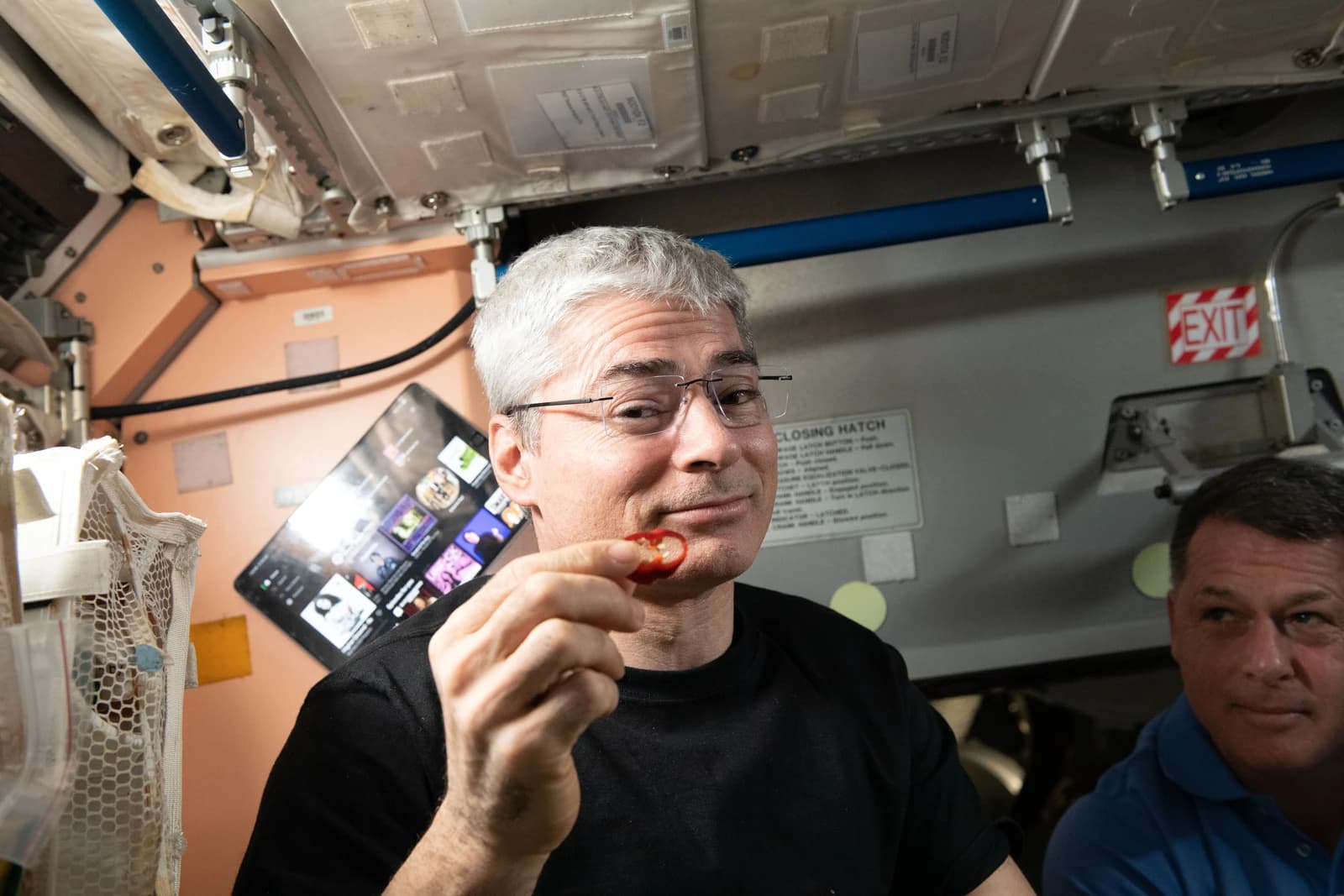
A plan to grow wheat and tomatoes on the moon is pushing space-agriculture from science fiction toward a commercial supply-chain story, with investors now focusing on which aerospace, defense and industrial groups can profit from the buildout of lunar infrastructure.
The economic significance is less about fresh produce and more about the hardware, transport and systems work needed to sustain long-duration missions. If crops can be grown off Earth, the value shifts toward life-support technology, controlled-environment agriculture, power systems, robotics and habitat construction — all areas that could support government contracts and future private mission spending.
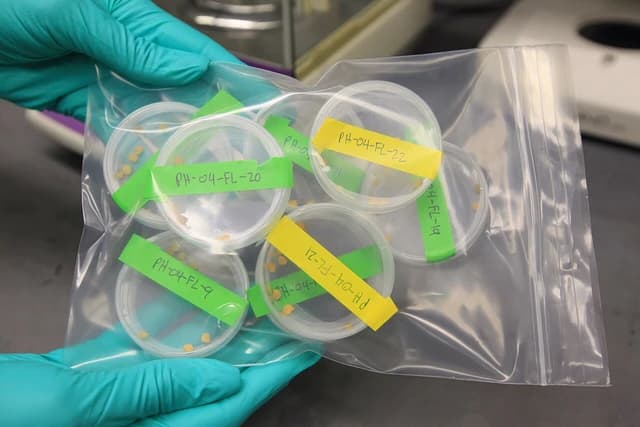
That makes the theme relevant beyond the space sector. Lunar farming would require repeated launches, reliable communications, thermal control and mission assurance, which ties the opportunity set to contractors with space and mission systems exposure, as well as suppliers of precision equipment and materials. It also reinforces the broader move from one-off exploration to recurring infrastructure spending.
Shares of defense and aerospace companies have already been volatile as investors rotate around space and classified-program demand. LHX, which has meaningful space and mission systems exposure, has dropped to $245.54 from a recent 2026 high above $373, while its 50-day moving average now sits well below prior levels and RSI readings show oversold conditions. BUD, meanwhile, is a reminder that even consumer staples-linked tickers can move on thematic headlines, though there is no direct moon-farming revenue link.
For investors, the story matters because lunar agriculture could become a proxy for the next phase of space commercialization, where early winners are likely to be the companies that sell pick-and-shovel infrastructure rather than the mission concepts themselves. Near term, the trade still depends on funding, launch cadence and contract awards, with any progress in NASA, commercial space or defense procurement likely to drive the next move.
| Entity | Gains | Losses |
|---|---|---|
| Aerospace contractors | ▲Lunar infrastructure contracts | ▼Dependence on policy funding |
| Space systems suppliers | ▲Habitat and life-support demand | ▼Slow commercialization timelines |
| Investors in space stocks | ▲New growth narrative | ▼Execution and launch risk |
| Traditional agriculture | ▲Long-run tech transfer | ▼Attention and capital diverted |