Luxury auto demand weakens in Europe
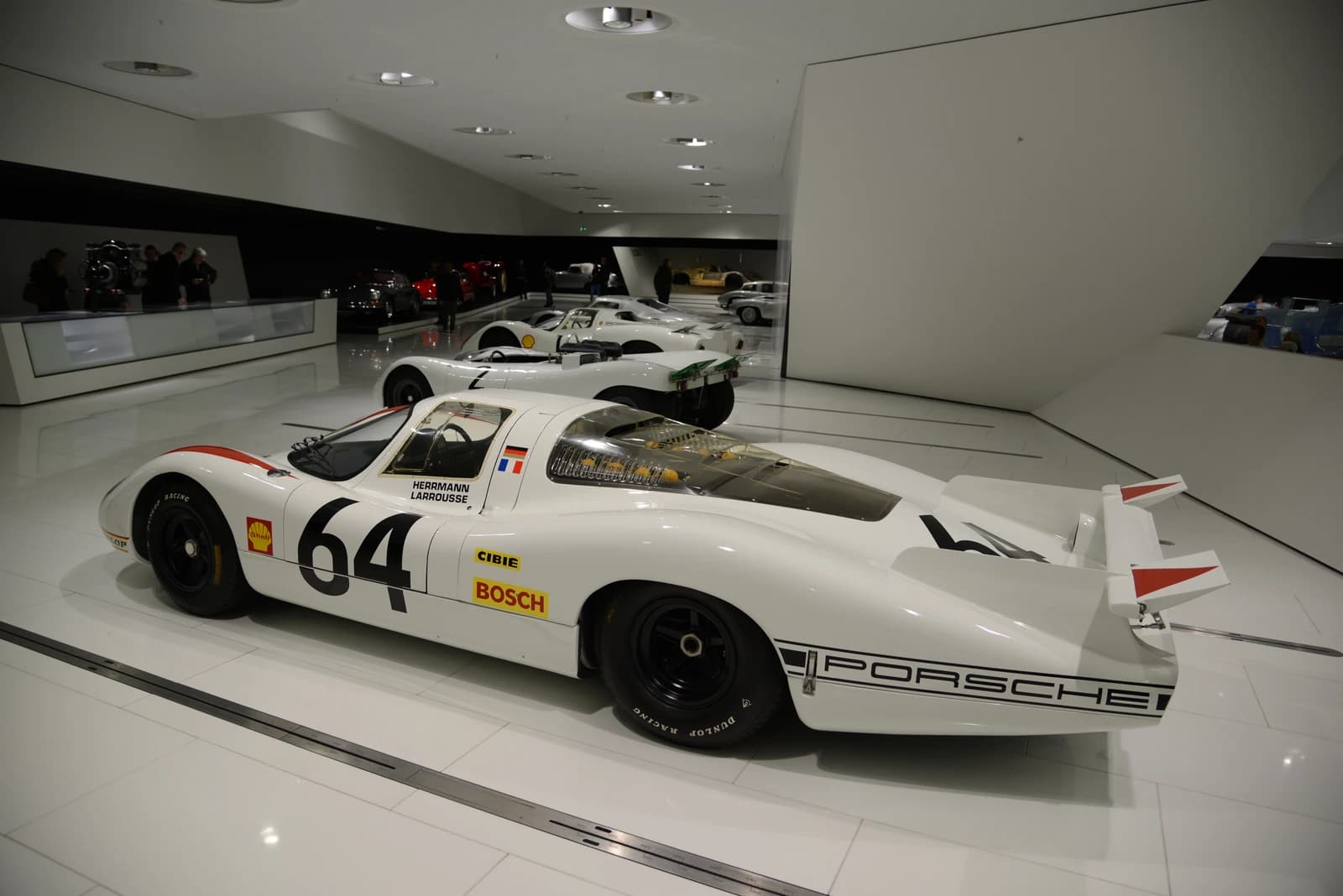
Luxury car buyers are pulling back just as premium automakers are being forced to rethink how much capital they pour into the next generation of expensive models, and that combination is starting to bite.
The clearest sign of strain is Porsche’s plan to discontinue the Taycan by 2030 after weakening demand, a notable shift for a nameplate that was meant to showcase the company’s EV future. For investors, that matters because luxury carmakers have long relied on high-margin customers to absorb pricing power, fund electrification and protect earnings through the cycle. If those buyers are now less willing to spend on new cars — especially premium EVs — the industry’s most profitable growth engine starts to look less dependable.
The pressure is not isolated to Porsche. BMW and Mercedes-Benz have both seen their shares swing sharply this year as the market reassesses the durability of premium demand. BMW, which had traded as high as 91.07 euros in January, fell to 59.40 euros by Aug. 14. Mercedes has dropped from 57.87 euros on Jan. 2 to 46.03 euros. Porsche, meanwhile, has slid from 47.28 euros in early June to 44.42 euros, even after a recent rebound. The price action suggests investors are not buying the idea that the luxury segment can simply pass through higher costs and still preserve volumes.
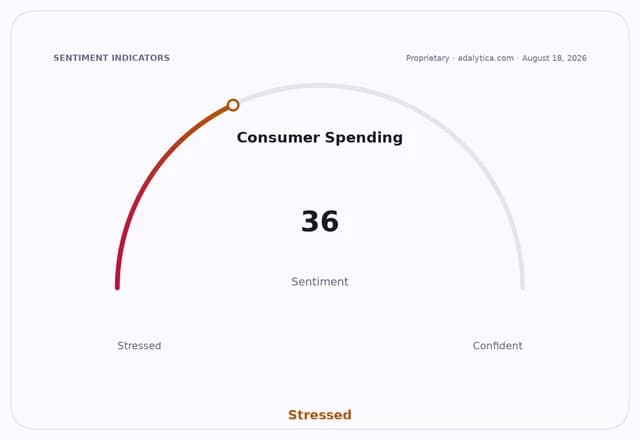
There is a macro story underneath the stock moves. Adalytica’s Consumer Spending Sentiment gauge has fallen to 36, while Consumer Confidence Recession Sentiment sits at 32, signaling a more cautious backdrop for discretionary purchases. That is exactly the kind of environment that hurts luxury autos first: a car purchase worth tens of thousands of euros can be deferred, traded down, or pushed into the used market. And that’s before factoring in the uneven reception to battery-electric luxury models, where buyers appear increasingly willing to wait for lower prices, better charging infrastructure or hybrid alternatives.
The economic implication is bigger than one automaker’s product cycle. Luxury vehicles are a high-profit export for Germany, a pillar of industrial employment and a key source of cash flow for the companies that bankroll the transition to EVs, software and autonomous driving. If demand softens at the top end, margins compress, capex becomes harder to justify and the market starts rewarding balance-sheet discipline over ambitious transformation plans.
That is why the stock market has begun to separate winners from losers. Companies with flexible product mixes, strong hybrids and pricing power should outperform those leaning too heavily on full-electric luxury launches. Service businesses and rental operators can also benefit when consumers stretch out replacement cycles. Sixt’s stronger-than-expected second-quarter results are a reminder that people still need mobility even when they stop buying new cars outright.
Our thesis is simple: the market is underestimating how quickly luxury auto demand can normalise after years of premium pricing and stimulus-driven appetite for EVs. The next leg of this trade is not about who has the flashiest electric flagship; it is about who can protect cash flow, slow the pace of capital spending and pivot toward products buyers actually want now.
For investors, that argues for favoring the auto names with the best hybrid mix, the strongest brands and the most resilient free cash flow, while treating pure EV luxury plays as more fragile than the market once assumed. The global luxury car market is not collapsing overnight, but the demand squeeze is real — and the companies that adapt fastest will take share from those still betting on an old playbook.
| Entity | Gains | Losses |
|---|---|---|
| Hybrid-heavy luxury makers | ▲better demand resilience | ▼slower EV-only rivals |
| Porsche | ▲brand strength in transition | ▼Taycan demand and EV economics |
| BMW and Mercedes-Benz | ▲flexible product mix | ▼pricing power and margins |
| Used-car and rental operators | ▲deferral of new-car purchases | ▼new luxury car dealers |