Madagascar Rice Variety Targets 4 Tonnes per Hectare
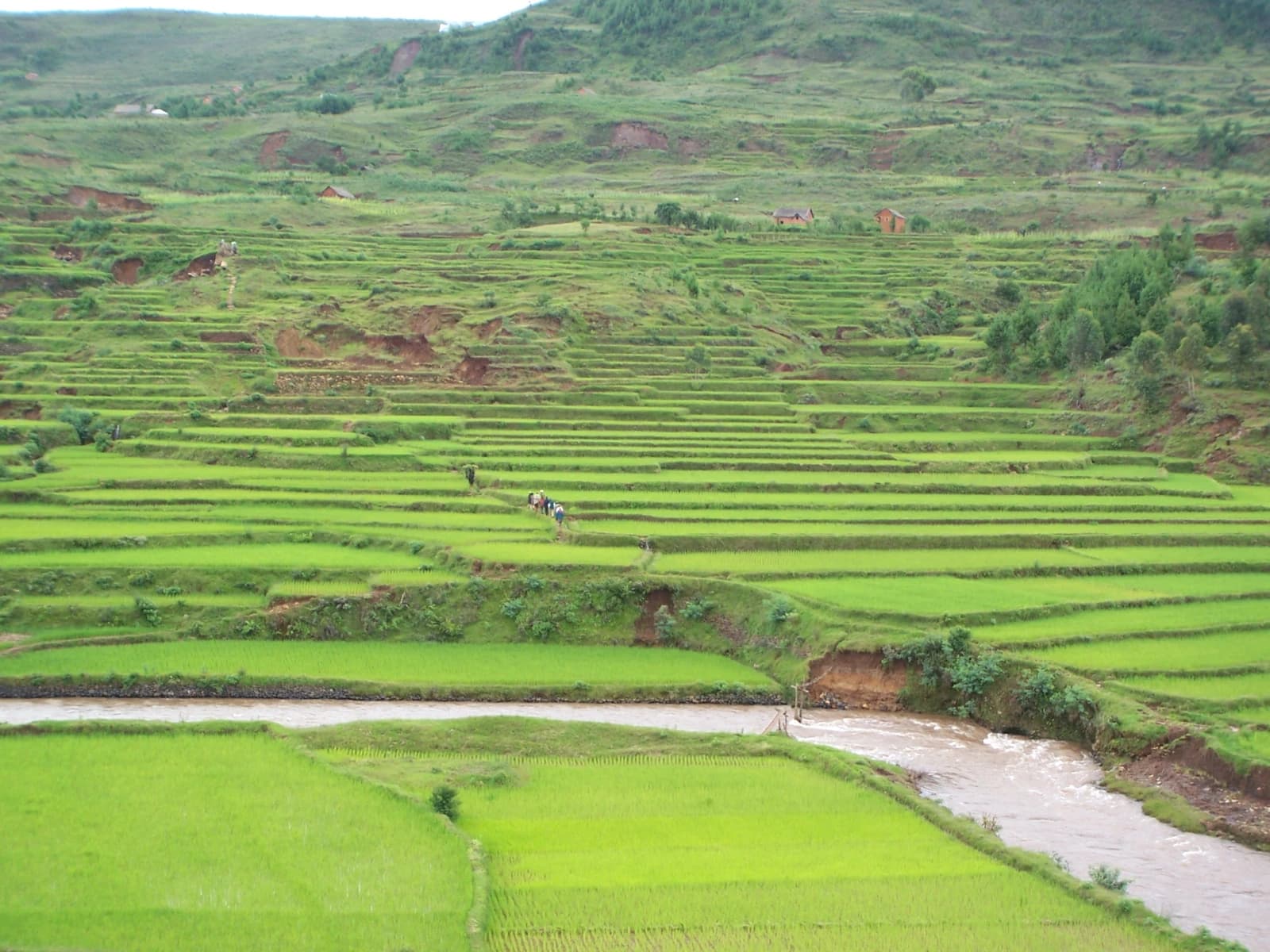
Madagascar’s state research institute has unveiled a new rice variety that could lift yields to 4 tonnes per hectare, a potential step toward easing the country’s reliance on imported rice and strengthening food security in a market where household costs remain vulnerable to crop shortages.
The variety, called Besalohy or Fofifa X265-MP3, was developed over five years by the national rural development research center Fofifa and Japan’s JIRCAS. It is scheduled to be distributed to farmers from the 2027-2028 agricultural season, giving authorities time to test how it performs outside research plots and whether its claimed resilience holds in real farm conditions.
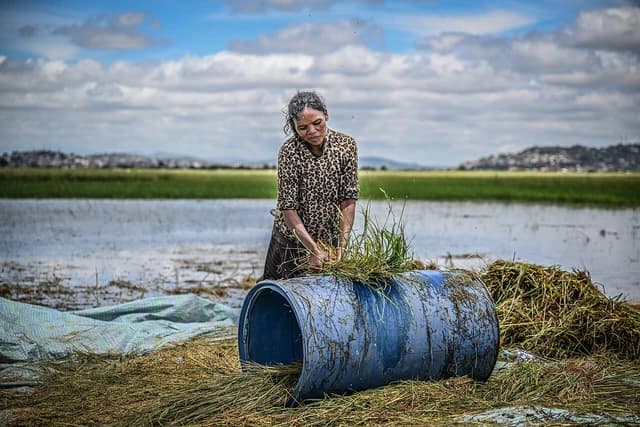
For Madagascar, where rice is the staple crop and a politically sensitive food item, higher yields matter more than an incremental farm innovation. Better productivity can reduce pressure on domestic supply, support rural incomes and help limit the need for imports or emergency market interventions when harvests fall short. That is especially relevant in a region where climate stress, low soil fertility and uneven access to quality seed keep output below potential.
The new variety is designed for low-fertility land and has a roughly three-month growth cycle, making it more adaptable to local growing conditions. Researchers also say its seeds can be reused in subsequent seasons, a feature that may lower input costs for farmers who typically face constraints on financing and seed access. Besalohy combines the Malagasy variety X265 with Japan’s Koshihikari and incorporates the MP3 gene, which is linked to more tillers and panicles, the plant structures that drive grain production.
Fofifa said the rice has passed the required distinction, uniformity and stability tests and has been approved by the official seed control service, clearing a key regulatory hurdle before broader rollout. It is also described as resistant to disease and water stress, though those traits still need to be validated at scale once farmers begin planting it.
The launch fits squarely into Madagascar’s broader push for food sovereignty. The government is trying to raise domestic rice availability at a time when rice remains central to inflation dynamics, household budgets and political stability. Any meaningful gains in yield can have a multiplier effect: more output per hectare means less land pressure, lower production risk and a better chance of narrowing the gap between local supply and consumption.
Investors and agribusiness stakeholders will watch whether the new variety can move beyond research success and into widespread adoption. The commercial upside is obvious for seed distribution, agricultural inputs and potentially rural credit providers, but the bear case is familiar: promising varieties often underperform when exposed to real-world soil conditions, weather shocks and farmer uptake barriers. The 2027-2028 rollout will therefore be less a ceremonial launch than a test of whether public research can translate into measurable output gains in a structurally tight food market.
| Entity | Gains | Losses |
|---|---|---|
| Fofifa/JIRCAS | ▲Research credibility | ▼If field results disappoint |
| Madagascar farmers | ▲Higher yields, lower seed costs | ▼Adoption risk, testing uncertainty |
| Malagasy consumers | ▲More local rice supply | ▼Persistent import dependence if rollout lags |
| Rice importers | ▲Stable trade flows if output fails | ▼Lower import volumes if domestic crop improves |