Madhya Pradesh rainfall 19% below normal
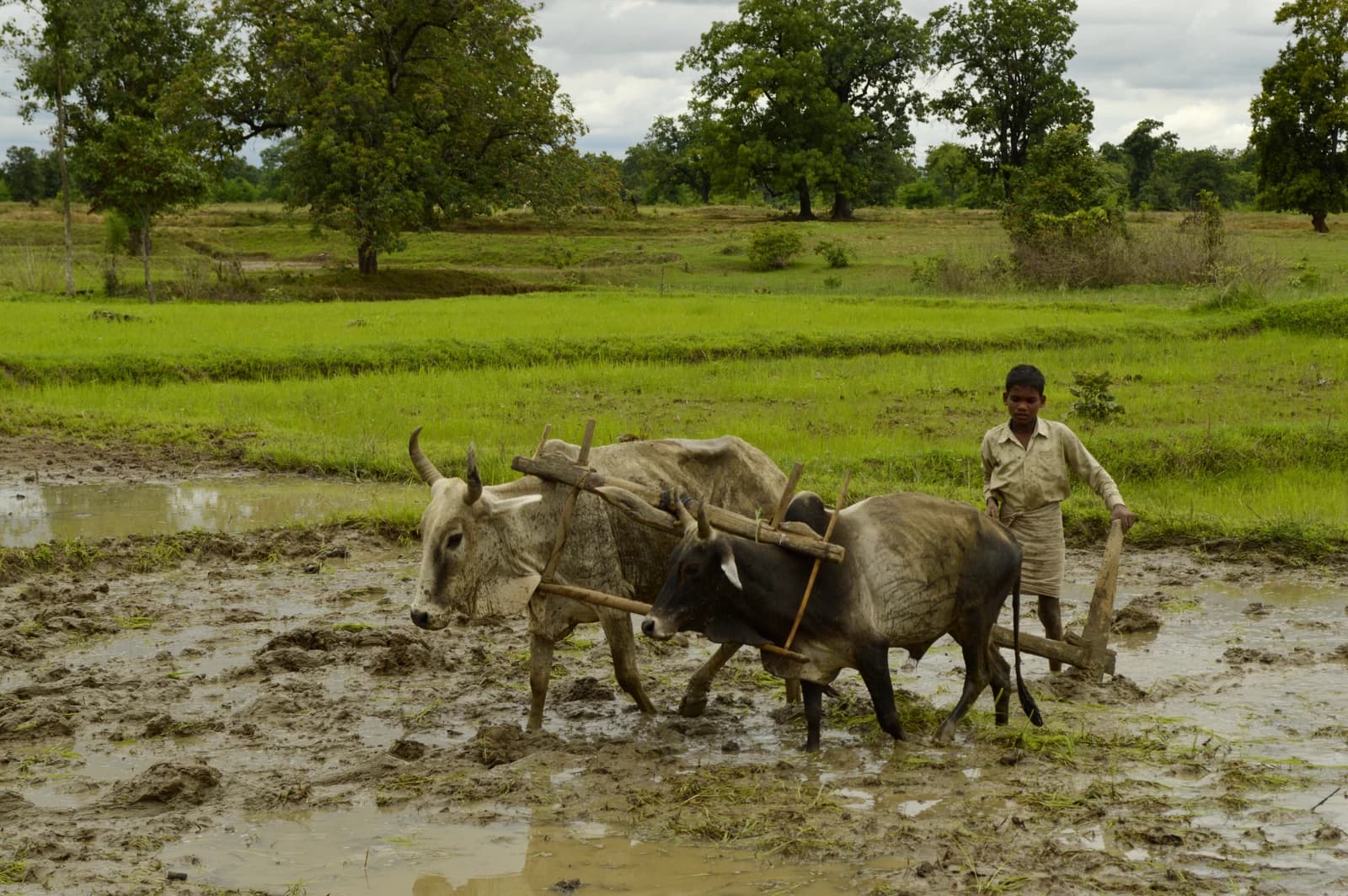
Rainfall in Madhya Pradesh has fallen 19% below normal, putting the state’s paddy and soybean belts at risk just as global agricultural markets are already pricing in tighter supplies.
The deficit matters because MP is one of India’s most important kharif-producing states, and a prolonged shortfall in July and August can quickly cut yields, force replanting and raise input costs for farmers already facing erratic weather. Paddy is especially vulnerable where irrigation is limited, while soybean, a key oilseed and feed ingredient, can lose both acreage and productivity if soil moisture remains weak during flowering and pod formation.
For investors, the immediate implication is not just lower farm output but a possible chain reaction across food and agri-processing markets. A crop shock in India can lift domestic grain and oilseed prices, pressure edible oil margins, and ripple through traders, crushers and fertilizer suppliers. That comes at a time when U.S. crop benchmarks are already firming: soybean exposure, measured by the SOYB fund, has surged from 21.46 in late September to 25.05 this week, while corn ETF CORN has recovered from a June trough to 17.62, reflecting a market that is sensitive to weather-driven supply risk. The broader DBA agriculture basket is also near 27.63, well above its 2025 lows.
The drought narrative is reinforced by a worsening global weather backdrop. A developing El Niño is expected to persist into next year, increasing the odds of heat, drought and water stress across major farming regions. In India, that raises the risk that rain-deficit districts in central states could see lower procurement volumes and weaker farm incomes, with knock-on effects for rural demand and local credit quality.
Commodity-linked companies are exposed in different ways. Processors and traders such as Archer-Daniels-Midland and Bunge can benefit if tighter supplies support merchandising margins, but food buyers and livestock producers face higher feed costs. Fertilizer and crop-input makers may also see demand if farmers attempt to protect yields with more application, though that benefit is limited if moisture stress deepens.
The key question now is whether the monsoon gap closes quickly enough to preserve yields. If rains fail to normalize, the market may shift from a regional crop concern to a wider inflation and supply story, especially if India is forced to curb exports, increase imports or lean on public food stocks. That would matter for global ag prices, rural consumption and the inflation outlook into the next quarter.
| Entity | Gains | Losses |
|---|---|---|
| Grain traders and crushers | ▲Wider margins, tighter supply | ▼Inventory risk, price volatility |
| Food buyers and livestock producers | ▲— | ▼Higher feed and raw material costs |
| Farmers in MP | ▲— | ▼Lower yields, replanting losses |
| Agri-ETFs and crop bulls | ▲Higher crop-price exposure | ▼Risk of pullback if rains recover |