Maersk Restores Asia-Europe Suez Canal Loop
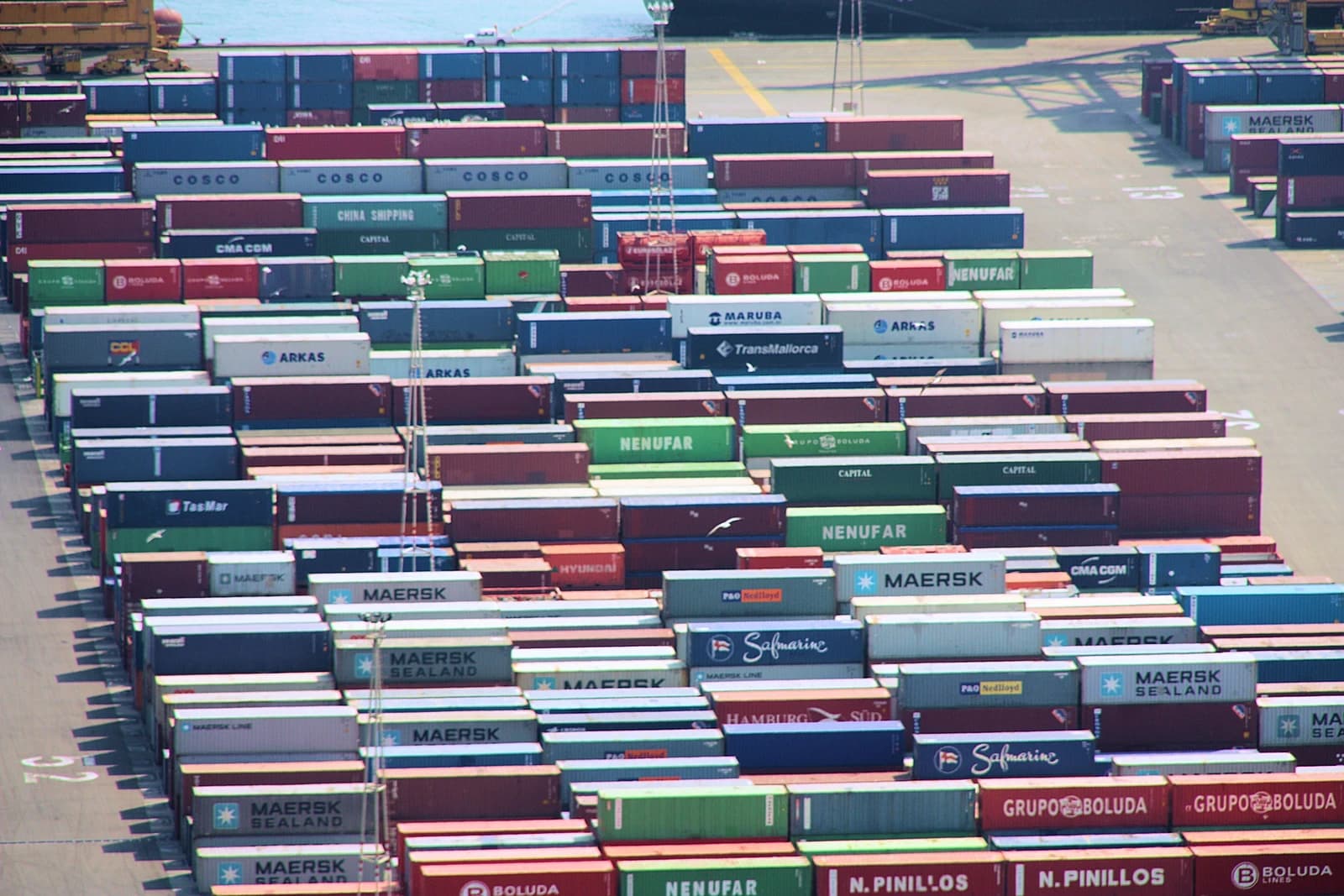
Maersk is restoring another Asia-Europe loop through the Suez Canal, a sign that the world’s biggest container line is gradually unwinding one of the most expensive reroutings in global shipping and betting that the Red Sea corridor is becoming safer.
The move matters because the diversion around Africa has tied up capacity, lengthened transit times and kept freight rates above levels that would otherwise have been pressured by weaker demand. A broader return to Suez would reduce sailing distances, free up vessels and ease one of the main supply-side supports for container pricing, even if carriers remain highly selective about which services they bring back.
For shippers, the implications are immediate: shorter voyage times, lower fuel burn and better schedule reliability if the corridor holds. For carriers, the economics are more complicated. Reopening a Suez route improves network efficiency, but it also risks adding capacity back into a market that has been supported in part by longer round-trip times. That is why investors have been watching every sign that operators are normalizing service through the canal, with Maersk’s latest move following earlier adjustments across the industry.
The decision also underscores how closely container shipping remains tied to geopolitics. Red Sea attacks and regional instability forced major lines to suspend normal transits, reroute ships around the Cape of Good Hope and absorb a heavy operating cost. A partial return suggests confidence has improved, but not enough to imply a full reset. Carriers will continue to weigh security developments against the economics of longer sailings, and any deterioration could quickly reverse the shift.
Maersk’s shares and those of peers such as CMA CGM, Hapag-Lloyd and ZIM have been highly sensitive to the outlook for spot rates and network disruption, with market moves reflecting the tug of war between better utilization and the risk of a freight-rate reset if capacity returns too quickly. Maersk’s stock has also broken well above its 50-day and 200-day moving averages, while its RSI reading points to a strongly extended move, suggesting investors are already pricing in a favorable operating backdrop.
The key question now is whether this is the start of a sustained normalization or just another cautious reopening. If more Asia-Europe services migrate back through Suez, the biggest beneficiaries will be importers, exporters and cargo owners. The losers are likely to be carriers that have relied on longer routes to support pricing power — unless demand improves enough to absorb the extra capacity.
| Entity | Gains | Losses |
|---|---|---|
| Shippers/cargo owners | ▲Shorter transit times | ▼Less buffer against delays |
| Maersk and carriers | ▲Better vessel efficiency | ▼Lower rate support |
| Importers in Europe | ▲Faster restocking | ▼Less freight scarcity premium |
| Freight rate bulls | ▲— | ▼Suez normalization risk |