MAGA Inc. cash hoard leaves GOP spending lagging
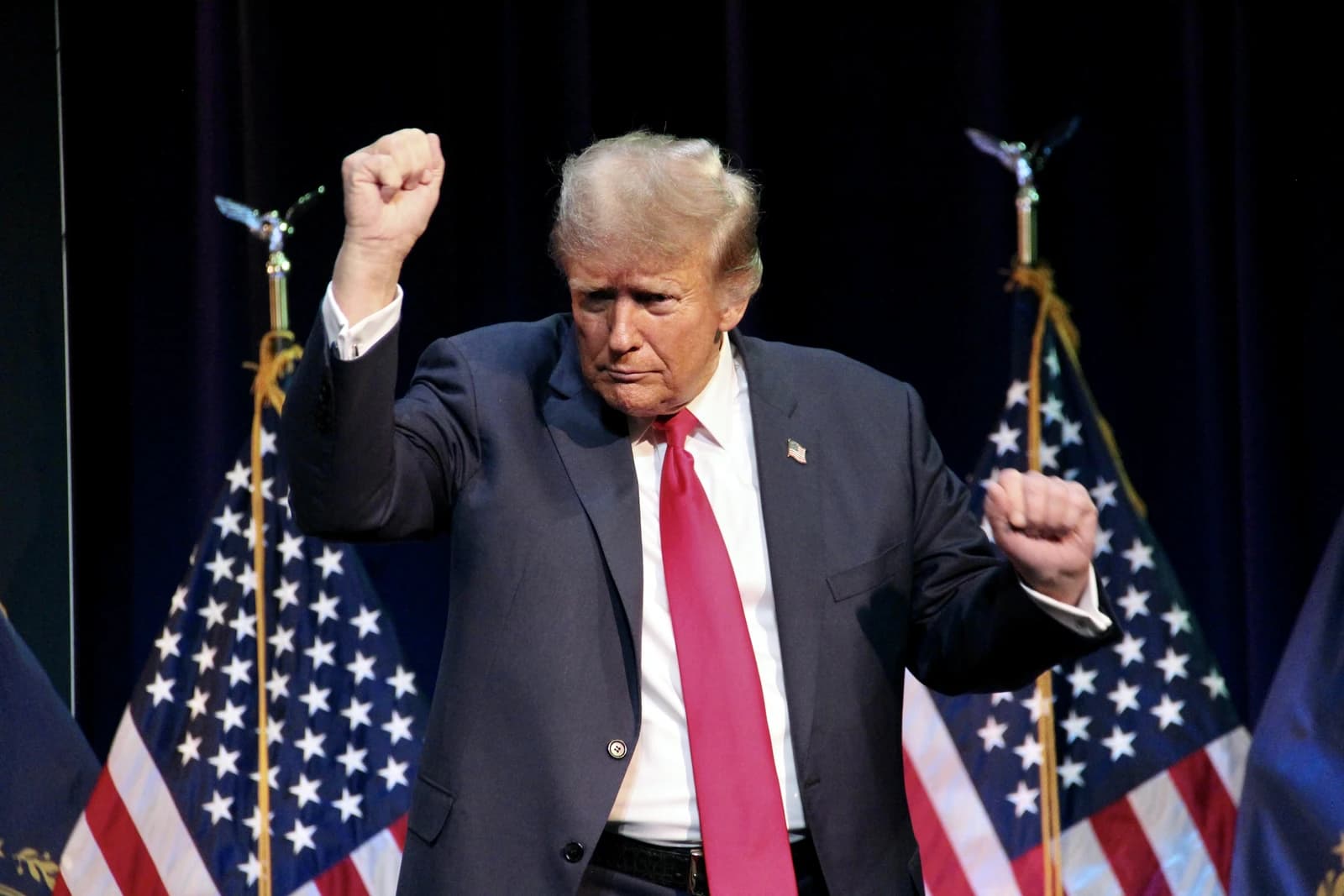
Trump’s decision to sit on more than $400 million in MAGA Inc. cash is turning the midterms into a test of whether money can actually buy Republican turnout when the party’s biggest fund-raiser may be reserving the war chest for himself.
That matters because Republicans entered the fall with one of their few structural advantages: a huge cash pile that could have locked in ad rates early, defined swing-state races before voters hardened their views, and helped offset Democratic small-dollar fundraising in key Senate contests. Instead, GOP operatives say the money is still largely on the sidelines just as early voting approaches, leaving Republicans exposed in races that could decide control of the Senate.
The stakes go beyond one election cycle. Trump’s fundraising machine has become an economic ecosystem of its own, fed by corporations and donors trying to stay in his good graces. If he keeps the money for postpresidential use, legal expenses, pet projects or a handpicked successor, that changes the flow of political capital across the Republican Party and reduces the immediate return on donor dollars. It also signals that Trump’s political brand may be moving from campaign asset to personal balance sheet, with less of that liquidity available to the party when it needs it most.
Republican anxiety is being sharpened by the timing. MAGA Inc. had more than $400 million on hand as of July 31, but the group has spent only lightly on the midterms so far. A few ads have begun to roll out through the nonprofit arm of Trump’s political network, but the initial buy was just under $1 million, far short of what allies expected heading into the crucial stretch after Labor Day. Operatives say the failure to book airtime earlier could force Republicans into pricier last-minute buys and weaker messaging, a costly mistake in competitive media markets.
Investors in the broader political economy should pay attention because Trump’s fundraising grip extends to companies and industries that have treated his political committees as a channel to maintain influence. If donors start holding back because the super PAC is hoarding cash, that could cool a lucrative ecosystem around political advertising, events, digital media and consulting. At the same time, Elon Musk’s America PAC has entered battleground Senate races, showing that the Republican side is not short of money so much as it may be short of coordinated spending. The result is a more fragmented and less efficient allocation of political capital.
There is also a market angle in the media strategy. With broadcast inventory tightening, MAGA Inc. may lean more heavily on streaming and digital platforms, where targeted ads can still reach younger and less frequent voters at lower cost. That shift favors the large ad-tech and platform beneficiaries — and it underscores how political spending is becoming more data-driven, more digital and more concentrated among the biggest platforms.
The political risk for Republicans is obvious. John Thune is already warning that the Senate majority is in play, while Democrats are betting Trump and Musk will still flood the airwaves and overwhelm their fundraising edge. But the deeper story is that Republicans may be discovering the limits of assuming Trump will deploy cash for the party rather than for his own post-White House power base. If that hesitation lasts through the final campaign stretch, the GOP’s financial advantage could evaporate exactly when money has the highest marginal value.
For investors, the takeaway is simple: the real trade is not just on who wins the midterms, but on where Trump’s political liquidity actually goes. If MAGA Inc. remains idle, the immediate beneficiaries are Democratic candidates, ad platforms and streaming inventory sellers; the losers are Republican campaigns, GOP consultants and any donor expecting a quick political return. The market underestimates how much a hoarded war chest can function like dead capital.
| Entity | Gains | Losses |
|---|---|---|
| Democratic Senate candidates | ▲More relative ad advantage | ▼Less Republican spending pressure |
| Republican candidates | ▲Party attention | ▼Air cover and turnout support |
| Streaming and digital ad platforms | ▲More political ad demand | ▼— |
| MAGA Inc. donors | ▲— | ▼Lower near-term impact of donations |