Maharashtra farmers seek dam releases in Marathwada
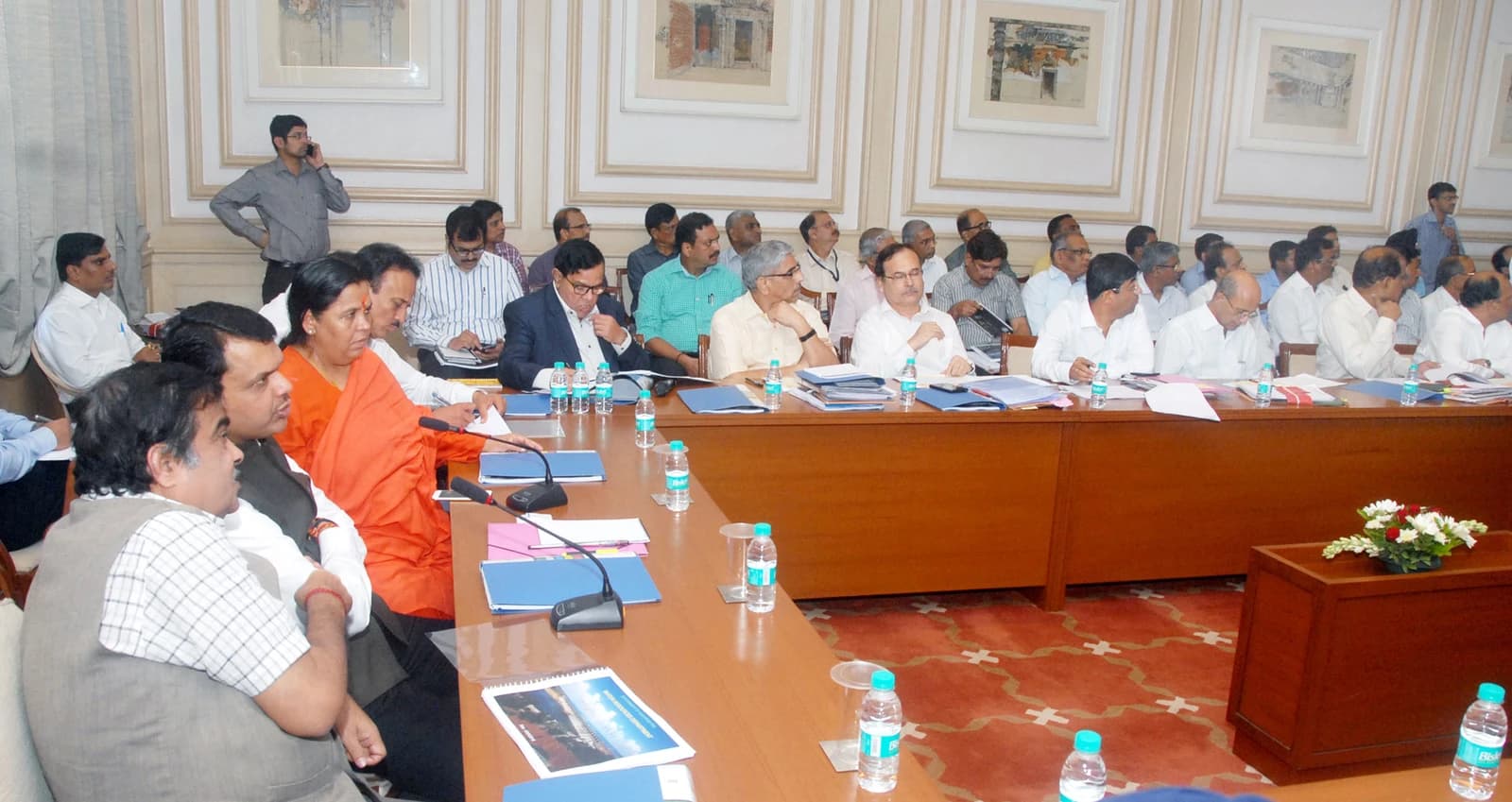
A prolonged break in rainfall has put kharif crops in Maharashtra’s Marathwada region under acute stress, pushing local lawmakers to press for immediate releases from Siddheshwar and Yeldari dams to prevent losses across soybeans, cotton, tur, turmeric, sugarcane and jowar.
The demand is economically significant because it is no longer a routine irrigation request but a bid to contain a widening farm-income shock in Hingoli, Parbhani and Nanded districts. When standing crops begin to dry out mid-season, the impact extends beyond yields: it cuts cash flow for smallholders, raises the risk of crop failure, weakens rural consumption and can force more borrowing at a time when farm balance sheets are already fragile.
Local MLA Raju Novghare has asked state water resources minister Radhakrishna Vikhe Patil to order canal releases from the two reservoirs, according to the Marathi-language report. The appeal reflects the central policy dilemma in drought-prone parts of western India: whether to conserve reservoir water for later use or deploy it now to preserve the current crop cycle.
Soybean is the most immediate market-sensitive crop in the mix because it is a major oilseed and feed input, while cotton and sugarcane carry wider implications for ginning, textile and sugar mills. If the dry spell persists, the damage could amplify supply volatility in regional agricultural markets and tighten the economics for traders, processors and input suppliers that depend on stable arrivals from Marathwada.
The crop stress also matters for investors in a broader sense because Indian farm distress often filters into fertilizer demand, rural credit quality and consumption trends in the surrounding economy. A successful water release could limit yield loss and support near-term sentiment in agri-linked equities and commodities, while a delayed response would increase the odds of lower output, higher input recovery risk and sharper pressure on farm-linked rural demand.
For policymakers, the story is a test of how quickly irrigation infrastructure can be used to cushion climate-related rainfall gaps. For farmers, it is a race against time. For markets, the key question is whether water can reach fields soon enough to protect the kharif harvest already showing signs of stress.
| Entity | Gains | Losses |
|---|---|---|
| Marathwada farmers | ▲Crop survival | ▼Yield losses |
| Siddheshwar/Yeldari releases | ▲Short-term irrigation supply | ▼Reservoir conservation |
| Soybean, cotton, sugarcane growers | ▲Near-term moisture support | ▼Input-cost recovery risk |
| Agri-linked processors | ▲Better raw material flow | ▼Supply disruption |