Investors on the Malawi Stock Exchange kept holding rather than selling in the July-to-September quarter, a sign of market confidence that helped underpin a broadly bullish tone even as trading activity shrank sharply.
Malawi Stock Exchange sees turnover fall in Q3
The biggest development was not a surge in turnover, but the opposite: volumes traded fell 65.63% in the third quarter and the value of shares exchanged dropped 32.98%. In market terms, that usually points to a tighter supply of stock, with holders reluctant to let go of positions. For a small exchange like Malawi’s, that can support prices when demand remains steady, but it can also leave the market vulnerable to thin liquidity and sharper swings if sentiment reverses.
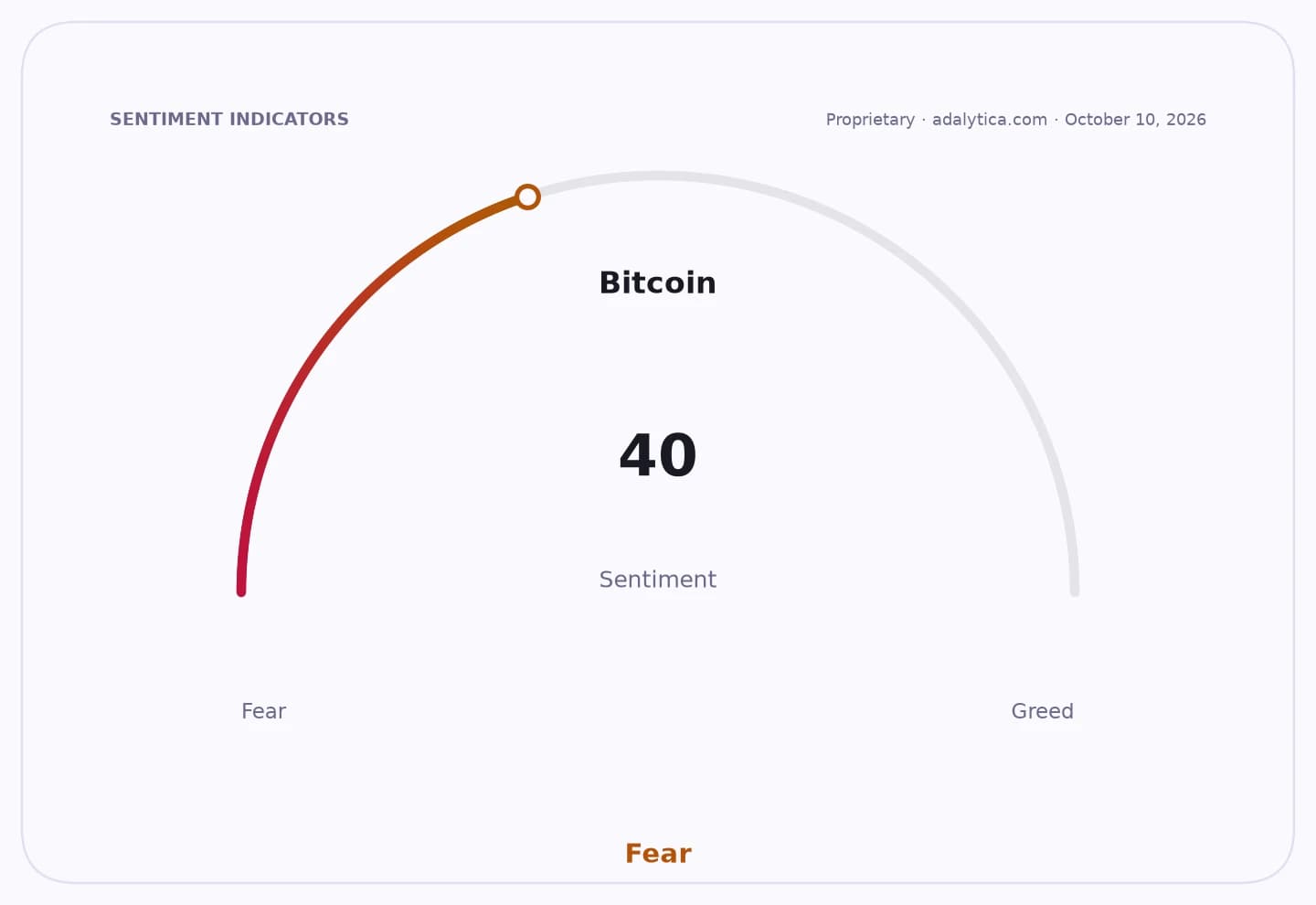
Sentiment IndicatorsⓘProprietary · adalytica.com · October 9, 2026
This is a snapshot — live sentiment, awareness and momentum for 130+ markets update continuously in the dashboard.Open AlphaPulse
The Times Group Malawi described the market as bullish, and the data fits that reading. A rally supported by low free float and patient investors is often less about speculative churn than about expectations for earnings, dividends or macro stability. In frontier markets, where institutional participation is limited and supply can be constrained, a period of holding can be as important as a burst of buying.
For investors, the message is mixed. Existing shareholders benefit if prices firm on reduced selling pressure, while brokers and active traders face thinner commissions and wider bid-ask spreads. Potential buyers may find valuations harder to adjust quickly when liquidity dries up, making entry and exit more difficult. The key question is whether the quarter marked genuine accumulation or simply a pause in trading activity after earlier gains.
The broader implication is that the Malawi market’s third quarter strength appears to have been driven more by conviction than by volume. If that conviction holds, the exchange could remain supported into the next quarter. If not, the same lack of liquidity that helped lift prices could amplify any pullback.
| Entity | Gains | Losses |
|---|---|---|
| Existing shareholders | ▲Higher prices | ▼Fewer trading exits |
| Market bulls | ▲Tighter supply | ▼Limited liquidity |
| Brokers/traders | ▲— | ▼Lower turnover |
| Potential buyers | ▲Entry at stable levels | ▼Wider spreads |