Malaysia oil sector gains on higher crude prices
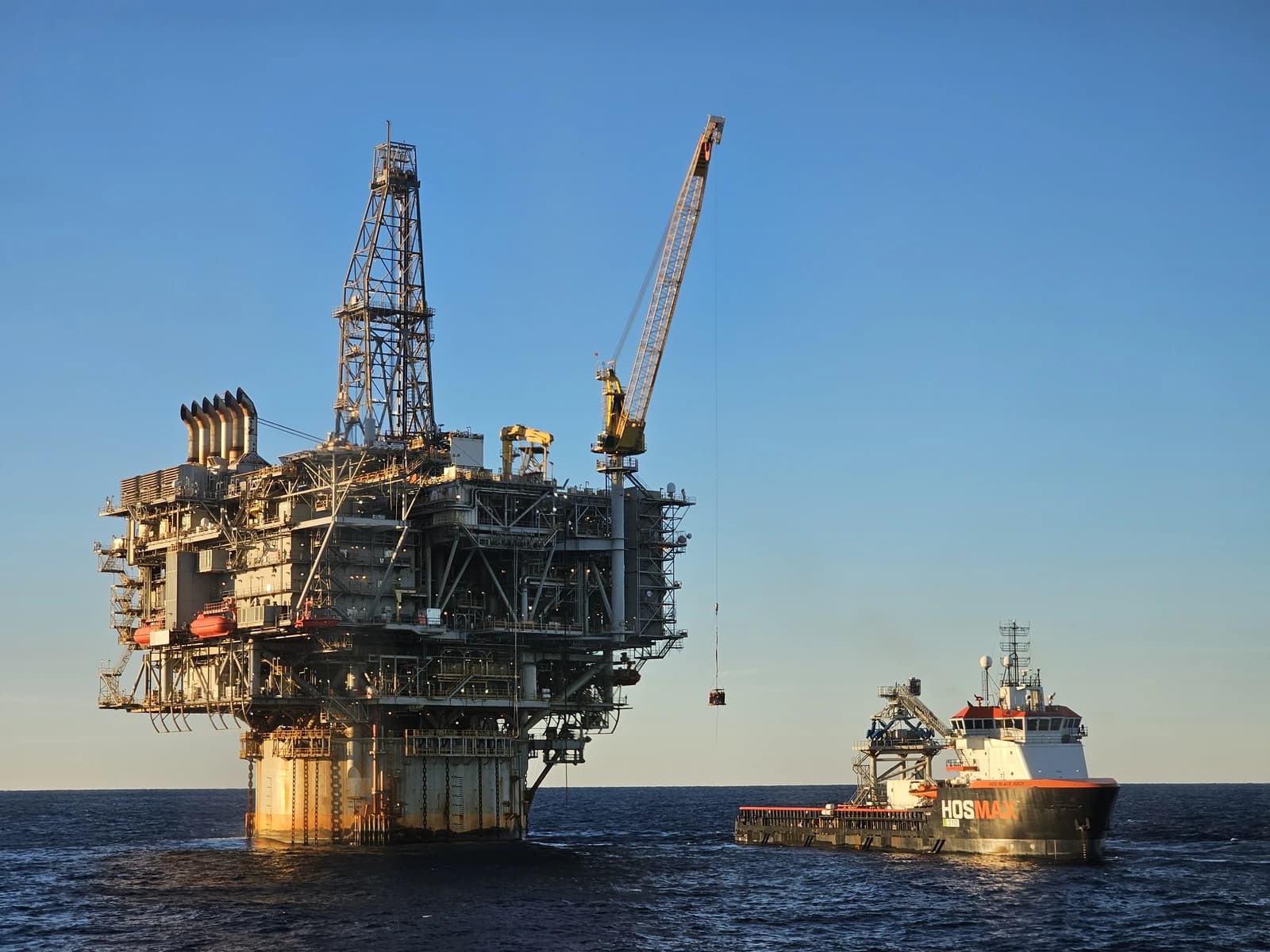
Higher crude prices are keeping the oil and gas sector resilient, with upstream producers and energy infrastructure names set to benefit even as refiners and petrochemical makers face tighter margins.
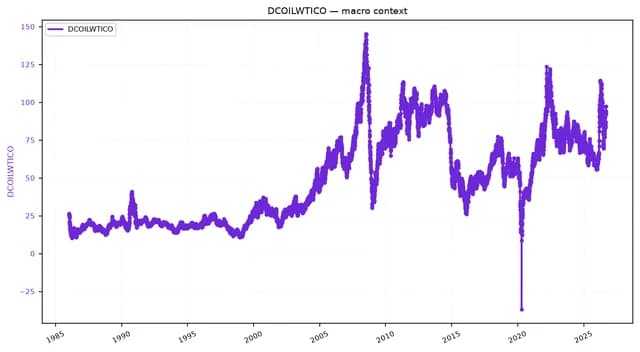
MBSB Research maintained a “positive” view on the sector, saying the market has shifted from a temporary supply shock to a longer-lasting environment of elevated prices, chokepoint risk and refining bottlenecks. The brokerage’s call comes as the US Energy Information Administration sees Brent averaging US$91 a barrel in 2026, up 34% from 2025, while S&P Global Energy expects Brent to stay at US$90 or above this year and average US$85 in 2027.
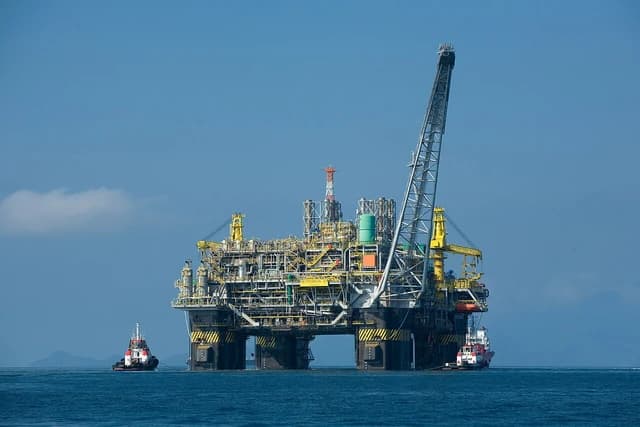
That matters for Malaysia because it is a net exporter of crude oil and liquefied natural gas but a net importer of refined products. For Petroliam Nasional Bhd, sustained gains in Brent should lift earnings and government revenue, with every US$1 per barrel increase estimated to add about RM300 million to RM350 million a year through petroleum income tax, royalties and dividends. But the benefit is partly offset by the country’s blanket and targeted fuel subsidies, which keep retail petrol at RM1.99 a litre and pressure federal spending.
The market backdrop is also constructive for energy shares. The US Energy Select Sector SPDR Fund, which tracks the sector, has climbed to about $65.93, above its 50-day and 200-day moving averages, while the SPDR S&P Oil & Gas Exploration & Production ETF has risen to nearly $199.70 and the VanEck Oil Services ETF to $411.51, both well above longer-term trend lines. Brent futures have also held close to the US$97 area, underscoring how geopolitics and supply disruptions are still supporting prices.
The split across the industry is becoming more important for investors than the headline crude price itself. Upstream companies are best placed to capture stronger realised prices, midstream operators may benefit from longer shipping routes and more storage demand, while downstream players face margin compression as higher feedstock costs are harder to pass through.
MBSB’s preferred Malaysian names are MISC Bhd and Dialog Group Bhd. It sees MISC as a defensive play with visible long-term cash flows and a growing order book for dual-fuel LNG carriers, while Dialog stands to gain from tank terminal demand, maintenance income and upstream assets.
For investors, the message is that crude’s strength is no longer just a short-term trade. The next catalysts are whether Brent stays near the US$80-US$100 range forecast by S&P Global Energy, how long geopolitical risks keep shipping routes disrupted, and whether subsidy costs begin to weigh more heavily on producer and state-linked earnings.
| Entity | Gains | Losses |
|---|---|---|
| Upstream producers | ▲Higher realised prices | ▼None on input costs |
| Midstream operators | ▲Longer routes, storage demand | ▼Higher logistics complexity |
| Refiners & petrochemicals | ▲— | ▼Margin compression |
| Malaysia / PETRONAS | ▲Higher export-linked revenue | ▼Bigger fuel subsidy burden |