Malaysia urged to step up South China Sea diplomacy
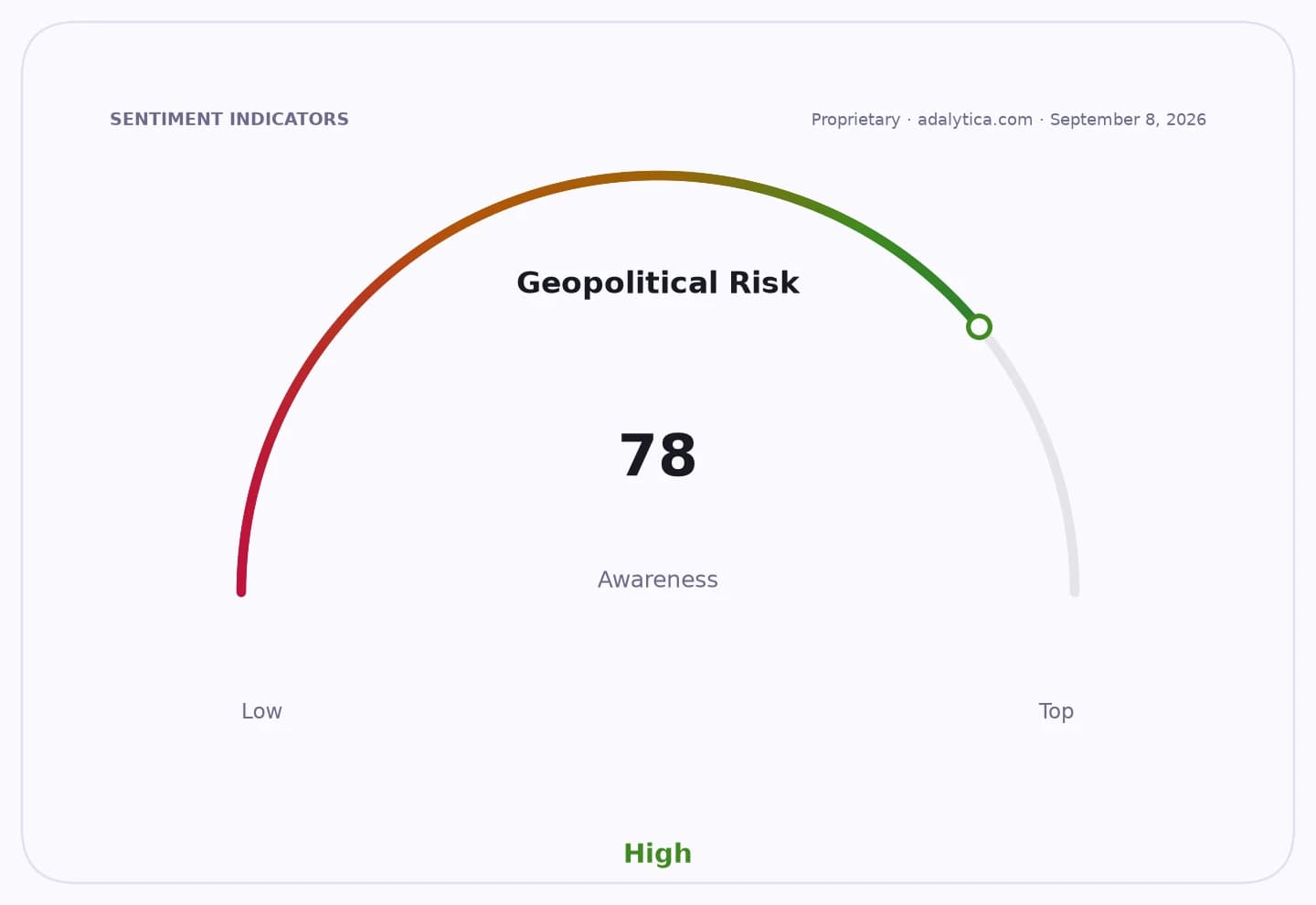
Wisma Putra is under pressure to intensify diplomacy in the South China Sea as Sabah leaders warn that militarisation around the Philippines and rival US-China activity near Malaysian waters could raise security risks, threaten sovereignty claims and unsettle trade routes.
The immediate economic significance is not a naval standoff in isolation, but the possibility of higher risk premiums for one of Asia’s most strategic shipping corridors. The waters off Sabah and Sarawak sit close to routes that support regional commerce, energy flows and fisheries, and any perception that the area is becoming more contested can complicate investment, insurance and logistics decisions even without open conflict.
Sabah state assembly backbenchers chief Masiung Banah said Malaysia’s Foreign Ministry should step up talks with Washington, Beijing and Manila to keep the sea lanes stable. He warned that growing military activity around Malaysia’s exclusive economic zone, particularly off northern Sabah, should not be dismissed, and said cross-border security in Sabah could be affected by the intensifying rivalry between the US and China.
His remarks reflect mounting local sensitivity to developments near Balabac Island in the southern Philippines, where the US and the Philippines are reported to be improving military facilities, including an airstrip about 50km from Sabah’s Banggi Island. Masiung said that distance — roughly a 20-minute speedboat ride — is close enough to make residents and authorities in northern Sabah worry about spillover from any miscalculation.
For investors, the issue is less about a near-term market shock than about the cumulative cost of geopolitical friction. Malaysia’s eastern seaboard and Borneo-facing waters are important for ports, energy infrastructure, tourism and resource extraction. A sustained deterioration in security perceptions could weigh on shipping confidence, push up operating costs and amplify scrutiny over defence and border spending.
The story also underscores the delicate balance Kuala Lumpur must maintain. Malaysia has strong trade ties with both the US and China and has generally preferred quiet diplomacy over confrontation in the South China Sea. But as rival military postures become more visible, domestic pressure is rising for a firmer response, especially in Sabah and Sarawak, where the proximity of contested waters makes sovereignty issues politically sensitive.
Prime Minister Anwar Ibrahim has already expressed concern about US military activity in Balabac and the Philippines’ unresolved claim over Sabah. That suggests the federal government is aware of the political and strategic stakes, but Masiung’s comments indicate expectations are increasing that Malaysia must do more than react — it must actively shape the diplomatic environment before tensions harden.
For now, the market impact is likely to remain indirect unless the rhetoric turns into a broader regional incident. But the investment case for stability in the South China Sea remains clear: calmer waters support trade, lower insurance and security costs, and reduce the odds that Southeast Asia becomes collateral damage in the US-China rivalry.
| Entity | Gains | Losses |
|---|---|---|
| Malaysia/Wisma Putra | ▲Diplomatic leverage | ▼Security complacency |
| Sabah and Sarawak | ▲Stronger coastal security | ▼Exposure to spillover risk |
| US and China | ▲Strategic influence | ▼Lower trust, higher friction |
| Shipping and trade routes | ▲Stability if diplomacy works | ▼Higher risk premia if tensions rise |