Mali Treasury Auction Raises 60.5 Billion CFA
Mali’s latest Treasury auction raised 60.5 billion CFA francs, topping its 55 billion CFA target and underscoring strong domestic demand for state debt at a time when public financing needs remain heavy.
The sale, completed on Tuesday with settlement due Wednesday, drew bids of nearly 68 billion CFA francs for a coverage ratio of 123.61%, a solid outcome that suggests the government can still tap local and regional markets to fund itself despite a strained fiscal backdrop. Malian investors accounted for 49.32 billion CFA francs, or 81.5% of the total, giving the auction a distinctly homegrown character and reinforcing the role of domestic savings in financing the budget.
The Treasury sold one-year bills and three- and five-year bonds at average yields ranging from 4.89% to 7.69%, levels that appear attractive enough to keep demand firm while still giving the state access to non-concessional funding. Burkina Faso and Côte d’Ivoire also participated, but the real significance lies in the scale of participation from Mali itself: local buyers are effectively signaling confidence in the sovereign’s ability to service its obligations.
That matters economically because public debt issuance remains one of the main channels through which many West African governments bridge budget gaps and refinance maturing obligations. Mali has now raised about 1,125.47 billion CFA francs since the start of the year, or 77.6% of its 1,450 billion CFA annual target, leaving roughly 324.5 billion CFA francs still to be mobilized by year-end. With repayments due on a still-lively calendar, the success of this auction reduces near-term funding pressure and lowers the risk of a cash squeeze.
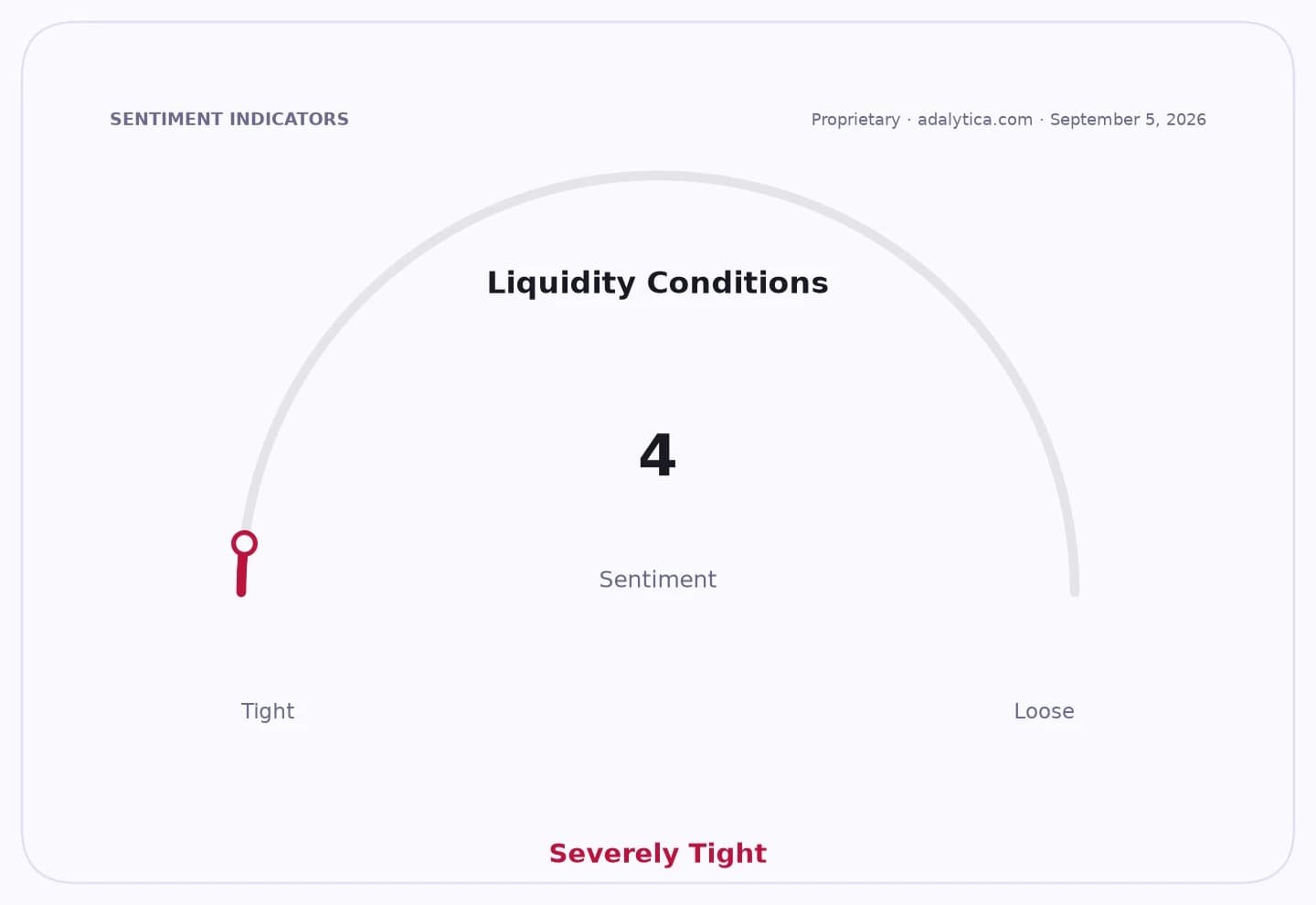
For investors, the message is two-sided. Bondholders gain reassurance that demand is broad enough to support future rollovers and that the sovereign is still market-accessible. But the strong take-up also means yields may need to stay elevated to absorb supply, especially if fiscal financing needs remain persistent. If local banks and institutional investors continue to dominate auctions, that can support the Treasury in the short term, though it can also crowd out private-sector credit if liquidity becomes tighter.
The broader narrative is that Mali is leaning on confidence at home to keep its financing machine running. That confidence is now being tested against a large calendar of debt service and the need to maintain investor appetite through the rest of 2026. The next auctions will show whether this was an isolated success or evidence of a durable domestic bid for sovereign paper.
| Entity | Gains | Losses |
|---|---|---|
| Mali Treasury | ▲Easier financing | ▼Less pressure on cash |
| Malian investors | ▲Attractive yields | ▼Exposure to sovereign risk |
| Regional buyers | ▲Access to paper | ▼Limited pricing power |
| Private borrowers | ▲None | ▼Potential crowding out |