Malmö election tests Sweden Democrats’ rise
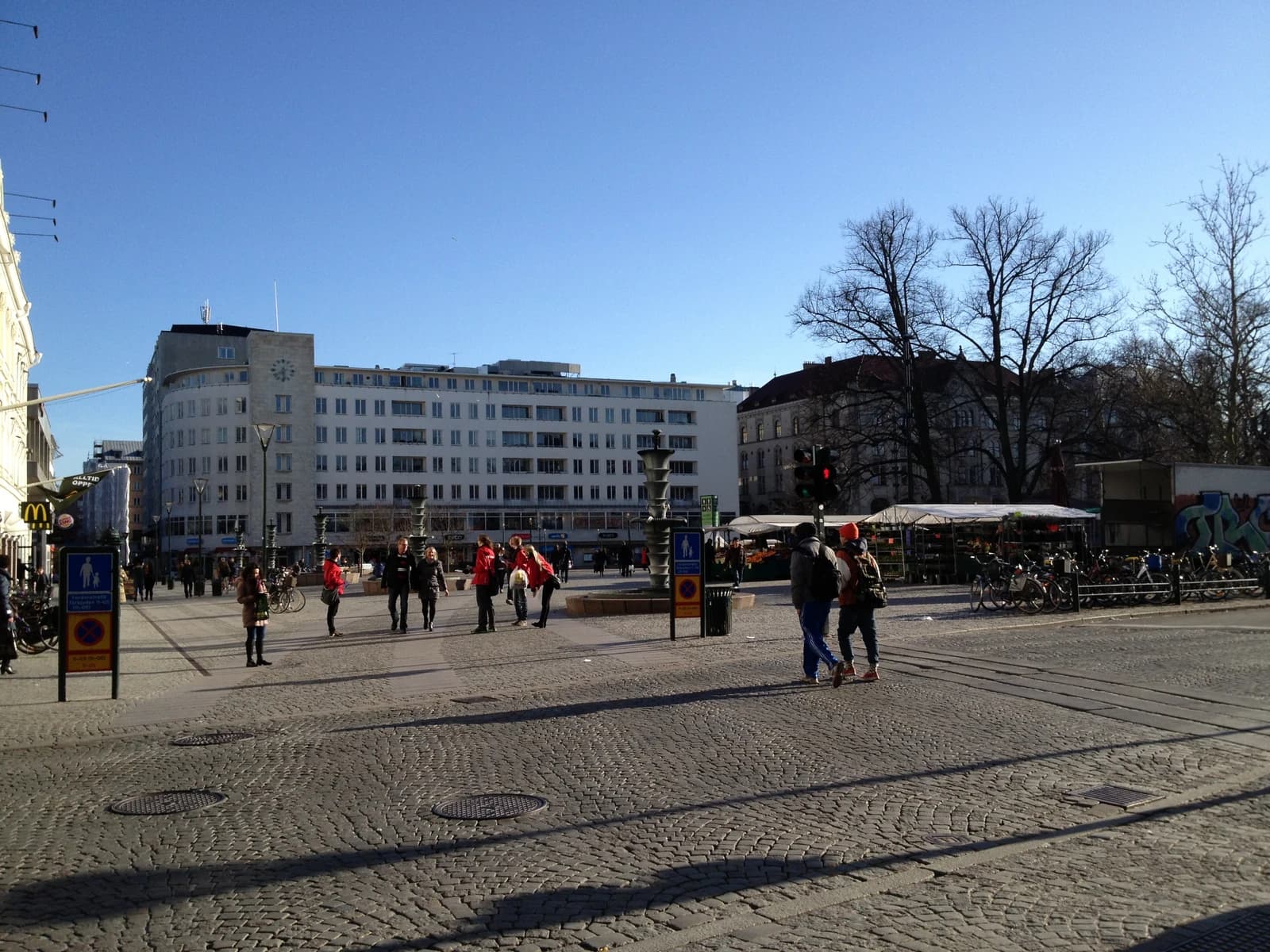
Malmö’s Sunday election has become a test of how far Sweden is willing to move on immigration, crime and welfare as the far-right Sweden Democrats close in on power and could enter government for the first time.
The contest matters well beyond the city because Malmö, Sweden’s third-largest municipality, has become a symbol in Europe’s broader battle over migration and integration. With more than a third of its 368,000 residents born outside Sweden, the city is a living argument for both sides of the debate: to the right, a warning about failed assimilation; to the left, proof that diversity can coexist with social mobility.
National polling shows the centre-left opposition bloc led by the Social Democrats only a few points ahead of the right-wing alliance, with the gap tightening over the past month. That makes the Sweden Democrats, polling as Sweden’s second-largest party, the pivotal force in any post-election deal. Prime Minister Ulf Kristersson has already said they could receive cabinet posts, including the migration portfolio, if the right wins.
For investors, the political stakes go beyond local rhetoric. Sweden is weighing harder immigration rules, higher salary thresholds for work permits and tougher criminal policy, all of which affect labour supply, wage dynamics and the outlook for public spending. The government raised the work-permit income threshold again in June to 90% of the Swedish median wage, a move that can push some foreign workers and families out of the country and may tighten hiring in sectors already facing shortages.
The election also reflects a broader European political shift that markets are watching closely. The far right’s rise has moved from protest politics into coalition math, and that can shape fiscal priorities, social policy and regulatory risk. Adalytica’s Global Stability Sentiment stands at 30, a fear reading, underscoring how political uncertainty is feeding into a more cautious macro backdrop.
In Malmö, the debate is rooted in lived economics. Unemployment is around 11%, among the highest of any Swedish municipality, and residents say housing, healthcare and jobs matter more than slogans. But crime remains central to the campaign, with Sweden still grappling with one of Europe’s highest rates of deadly gun violence and criminal networks increasingly recruiting children for drug running, weapons transport and contract killings.
The outcome will show whether Sweden’s increasingly hard line on migration becomes a national consensus or whether voters recoil from the tougher turn. For markets, the key question is whether the vote produces a stable governing majority — or another round of bloc bargaining that leaves policy uncertainty unresolved.
| Entity | Gains | Losses |
|---|---|---|
| Sweden Democrats | ▲Cabinet access, policy influence | ▼Protest-party image |
| Social Democrats / left bloc | ▲If right falls short, power retention | ▼If migration hardens further |
| Malmö’s business and employers | ▲Clarity after election | ▼Labour-supply tightening |
| Foreign workers and migrant families | ▲More inclusive policy, easier permits | ▼Higher income thresholds, deportation risk |