Malta’s inflation slowing to 2% in June puts one of the euro area’s smallest economies right on the European Central Bank’s target line and reinforces the view that the inflation fight is increasingly being won across the bloc.
Malta Inflation Eases, Supporting ECB Dovish Case

That matters because the market is still trying to price the endgame for eurozone policy. When a member state lands exactly at 2% while the broader eurozone eases to 2.8%, it strengthens the case that price pressure is no longer broad-based, but instead concentrated in a few sticky pockets. For investors, that is the difference between a central bank that has to stay restrictive and one that can eventually lean toward easier financial conditions without reigniting inflation.
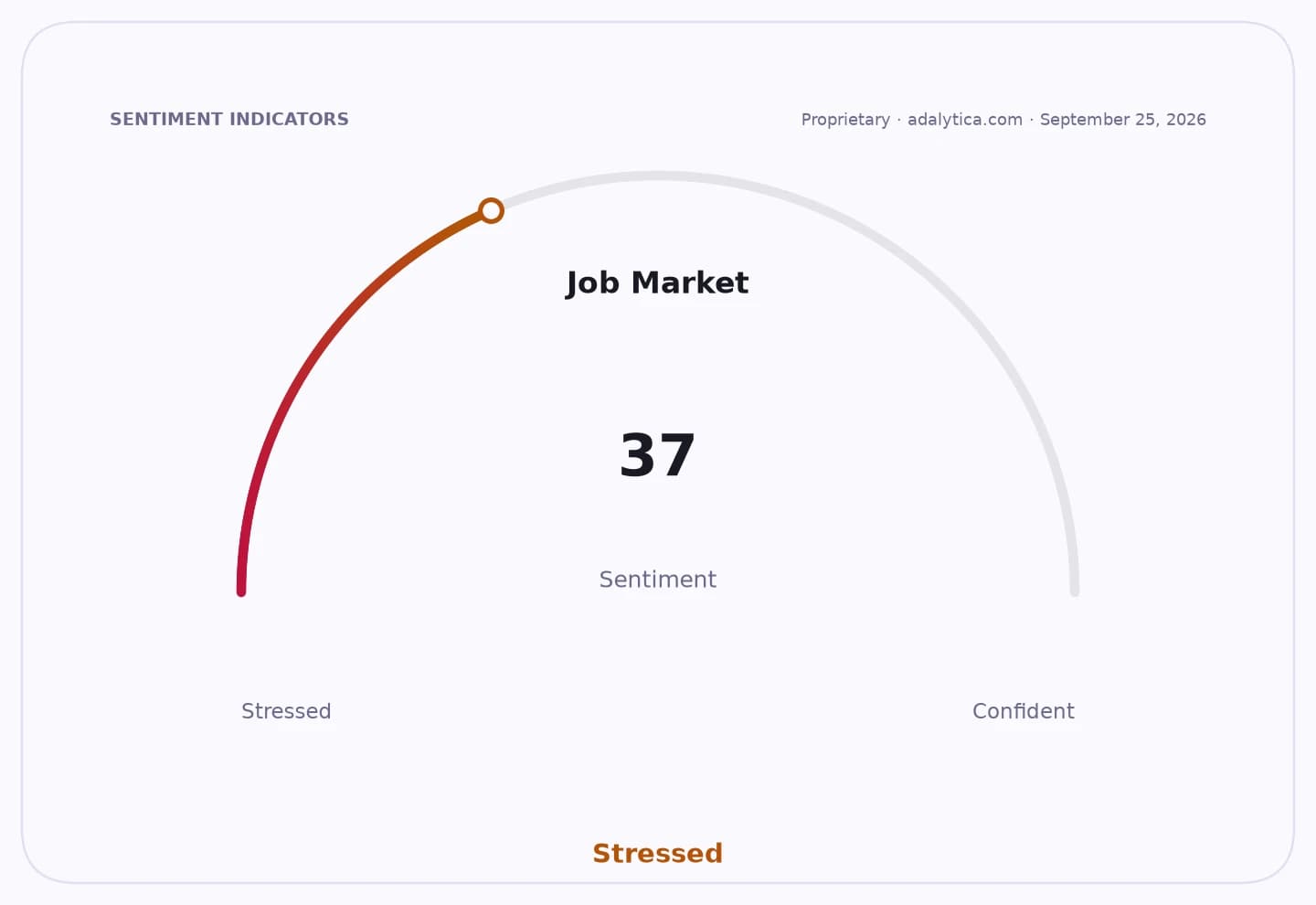
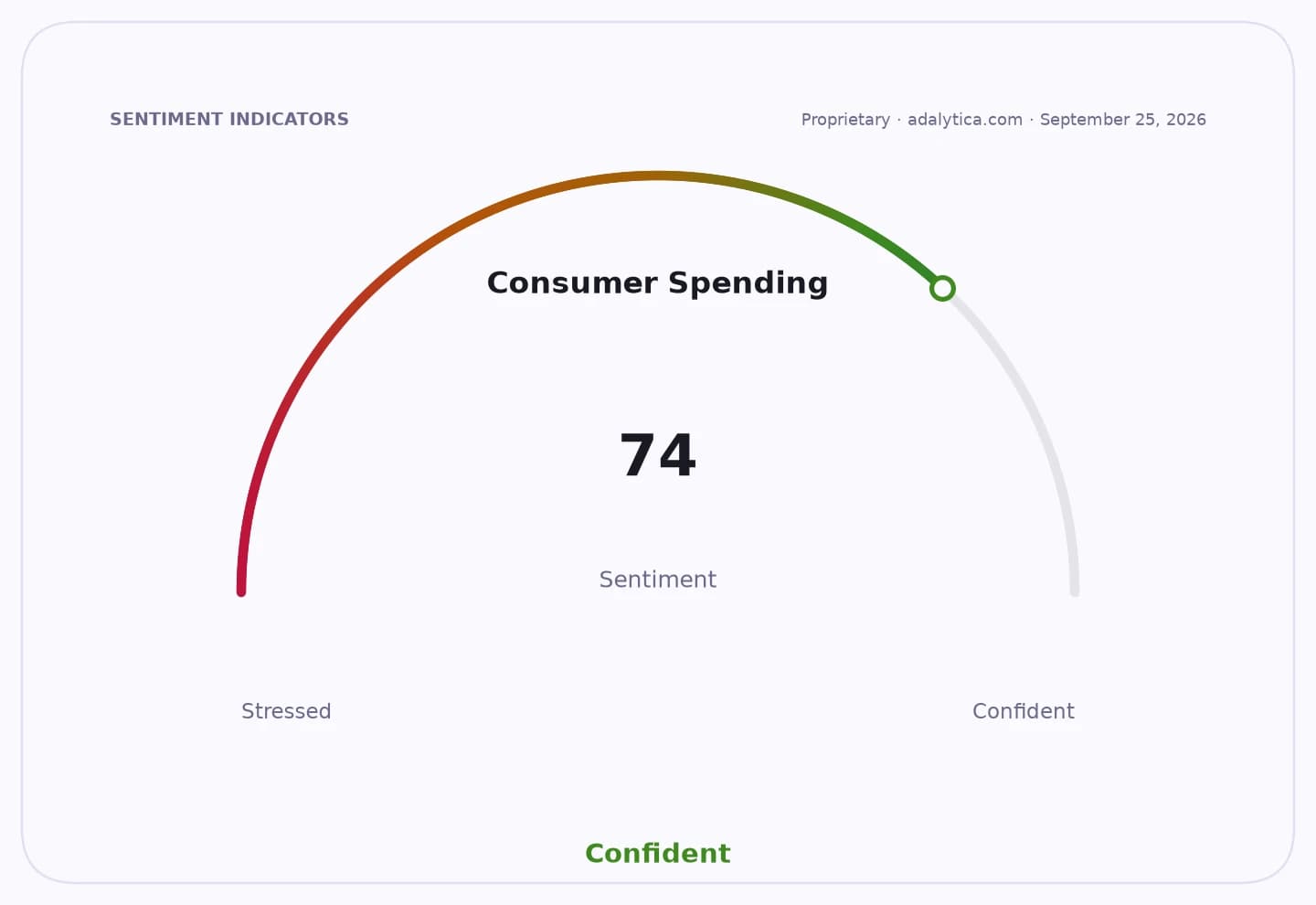
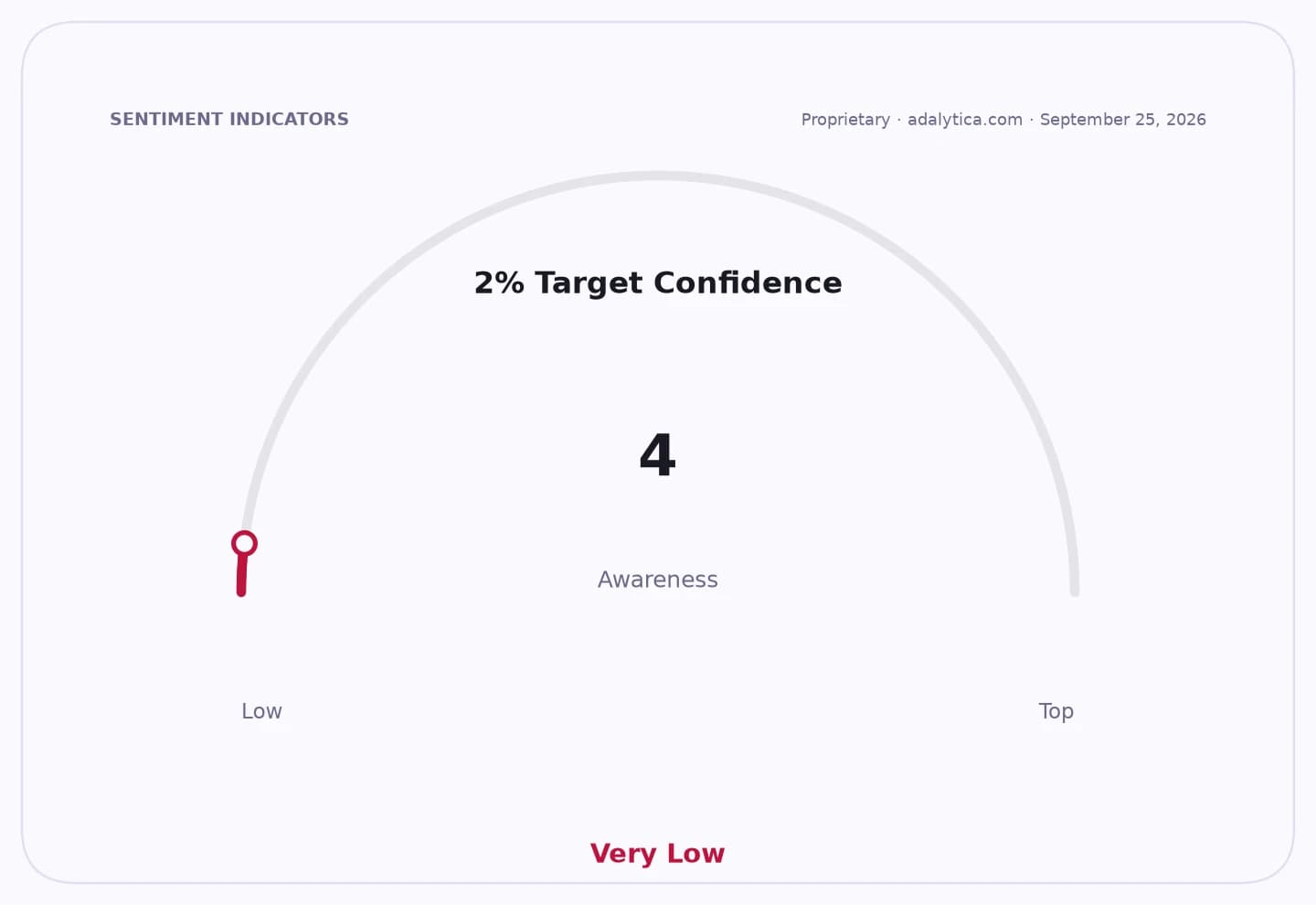
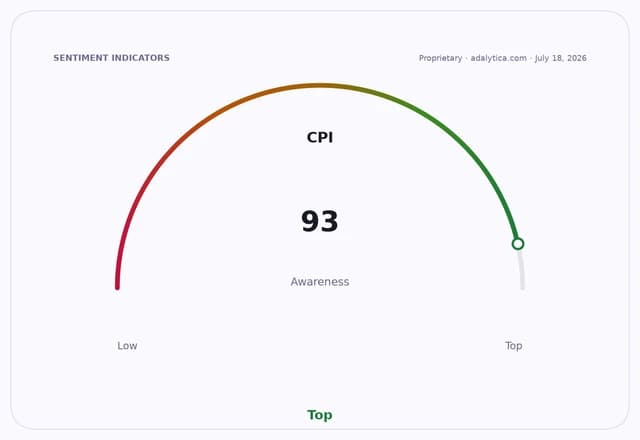
Sentiment IndicatorsⓘProprietary · adalytica.com · July 18, 2026
This is a snapshot — live sentiment, awareness and momentum for 130+ markets update continuously in the dashboard.Open AlphaPulse
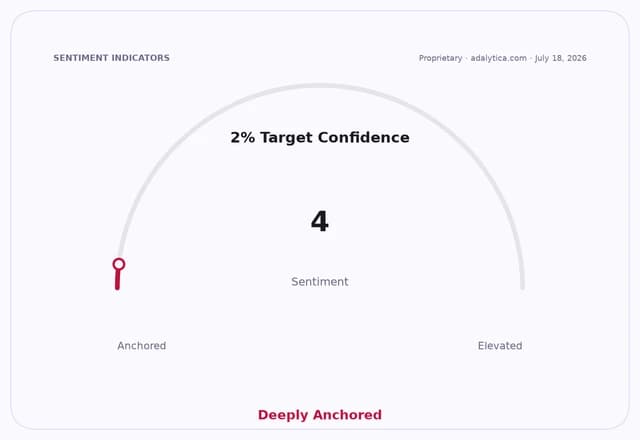
The signal from Malta is especially important because the island’s economy is small but sensitive to imported price moves, services demand and tourism-related spending. A 2% annual rate suggests the disinflation trend is filtering through domestic prices rather than just energy. In the eurozone context, that supports the growing argument that the post-shock inflation surge is giving way to a more normal regime, one that should gradually favor rate-sensitive sectors, long-duration assets and quality growth names if the European Central Bank follows through with a softer stance.
The backdrop still matters. Eurozone inflation at 2.8% in June remains above target, and geopolitical tensions have not disappeared. But the direction of travel is what the market should focus on. Inflation that keeps easing across smaller economies like Malta, Estonia and others is often how broader regime shifts begin: first in the data, then in policy expectations, then in asset prices.
For investors, the trade is not to chase every soft inflation print, but to recognize the asymmetry. If disinflation keeps spreading, the winners are European duration, select consumer discretionary stocks, and rate-sensitive real estate and utilities. The losers are assets still priced for persistent inflation and a higher-for-longer policy backdrop. Malta’s latest reading is a reminder that the balance of risk is shifting, and that Europe’s inflation story may be entering its final, investable phase.
| Entity | Gains | Losses |
|---|---|---|
| Eurozone consumers | ▲Real incomes stabilize | ▼Price pressure eases |
| ECB doves | ▲Softer policy case | ▼Higher-for-longer hawks |
| Rate-sensitive stocks | ▲Lower discount rates | ▼Inflation hedge trades |
| Long-duration bonds | ▲Easier policy outlook | ▼Sticky-inflation bets |