Manchester United Shares Fall Below 50-Day Average
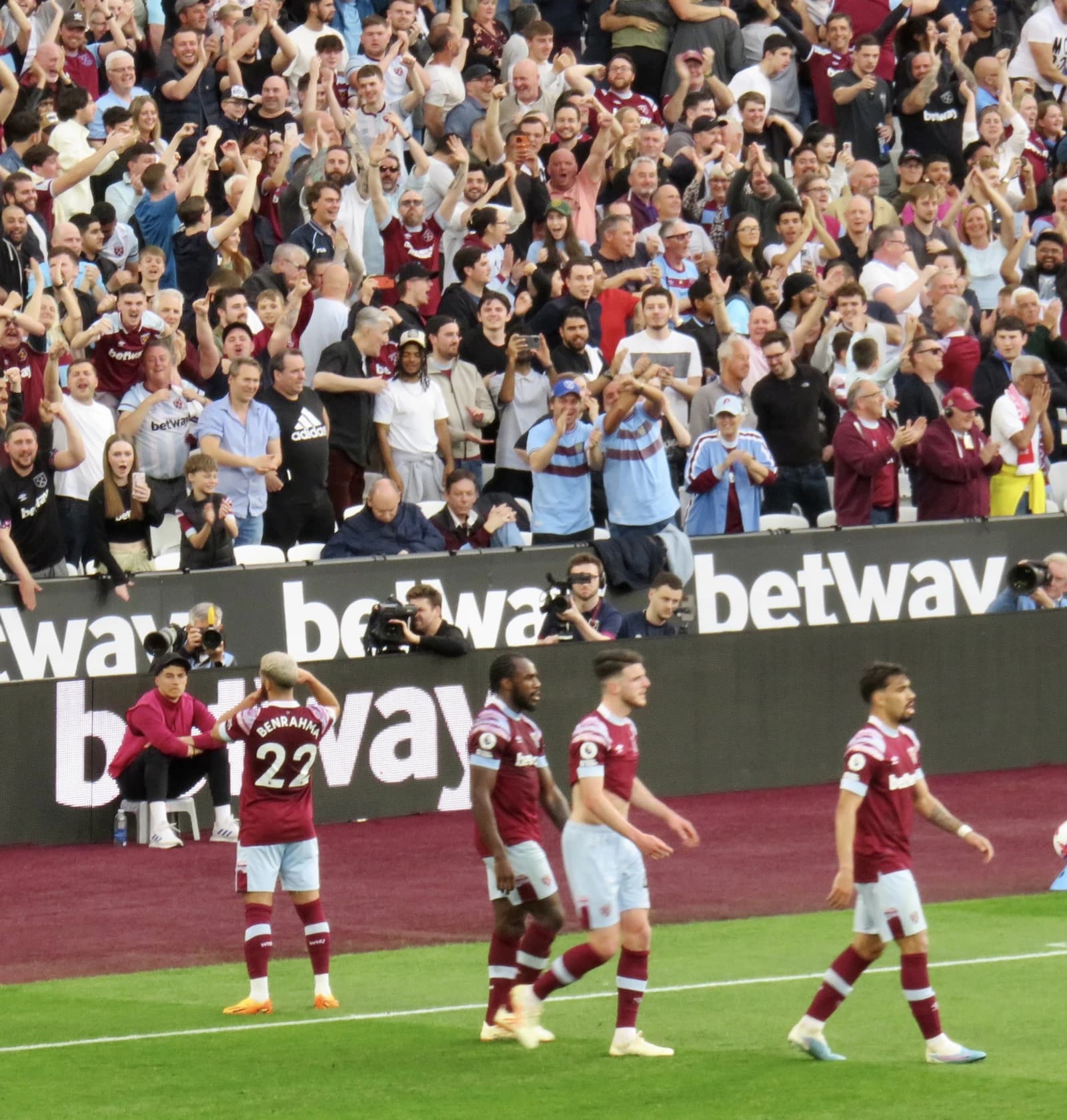
Premier League teams have again set the pace in Europe’s summer transfer market, with deadline-day deals and late-window bids underscoring how top-flight English clubs continue to outspend rivals in the race for talent.
That matters because transfer spending is one of football’s clearest signals of financial power: the Premier League’s broadcast windfall, commercial reach and owner-backed balance sheets keep widening the gap with the rest of the continent. For investors in listed clubs such as Manchester United, the real story is not just who signed whom, but how aggressively clubs are deploying capital to chase on-field performance that can feed ticket sales, sponsorship and global brand value.
Manchester United’s shares have been volatile even as the stock has climbed from 15.78 in December to 21.22 in the latest trading, and the technical backdrop has weakened after the shares slipped below the 50-day moving average at 22.62. The stock’s relative strength index at 43.9 points to cooling momentum, while the move off recent highs near 24.19 suggests investors are waiting to see whether spending and squad changes translate into results.
The broader market picture is still mixed. Adalytica’s S&P 500 trade-signal snapshot shows neutral sentiment at 51, but extreme fear on awareness at 12, a sign that investors remain jumpy even as appetite for sports and entertainment assets holds up around marquee moments like the transfer deadline. In football terms, that backdrop favors clubs able to act decisively before the window closes, while late movers risk paying up or missing targets entirely.
The deadline-day scramble also highlighted how transfer markets remain interconnected across Europe, with Eintracht Frankfurt moving for defender Lilian Brassier, Sunderland landing Malick Fofana and Barcelona adding from Arsenal, while Everton’s bid for Folarin Balogun fell apart. For clubs, the economic bet is simple: spend now to avoid a season of underperformance later. For investors, the question is whether the outlay strengthens squads enough to justify the cash burn and, in the case of listed teams, supports revenue growth without eroding margins.
The next catalyst is how quickly the new signings settle and whether clubs convert deadline-day ambition into league points, European qualification and commercial upside over the coming months.
| Entity | Gains | Losses |
|---|---|---|
| Premier League clubs | ▲Better squads | ▼Bigger wage and transfer bills |
| Manchester United | ▲Fresh roster momentum | ▼Near-term margin pressure |
| European rivals | ▲Less Premier League pressure if deals fail | ▼Talent drain to England |
| Transfer sellers | ▲Cash inflows | ▼Replacement risk |