Manhattan Luxury Home Sales Rise Above $10 Million
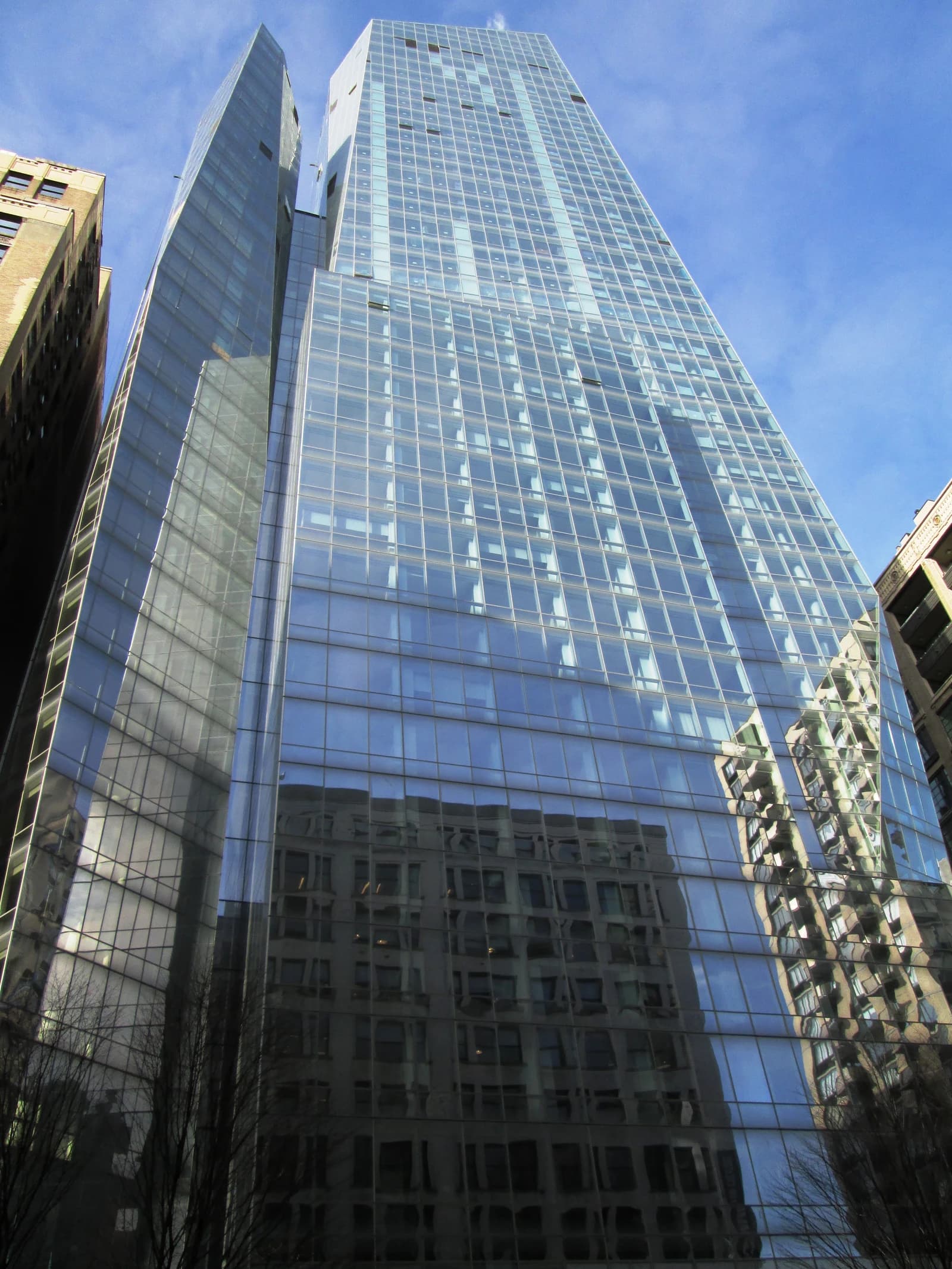
Manhattan’s ultra-luxury housing market is running ahead of last year, with sales of homes above $10 million rising as affluent buyers keep transacting despite mortgage rates near 4.75% and broader weakness in U.S. housing.
That matters because the top end of the market is a liquidity barometer for wealth creation, stock-market confidence and the willingness of buyers to deploy capital into hard assets even as affordability remains under pressure elsewhere. The strength also contrasts sharply with the wider U.S. new-home backdrop, where elevated borrowing costs and weak affordability continue to suppress demand.
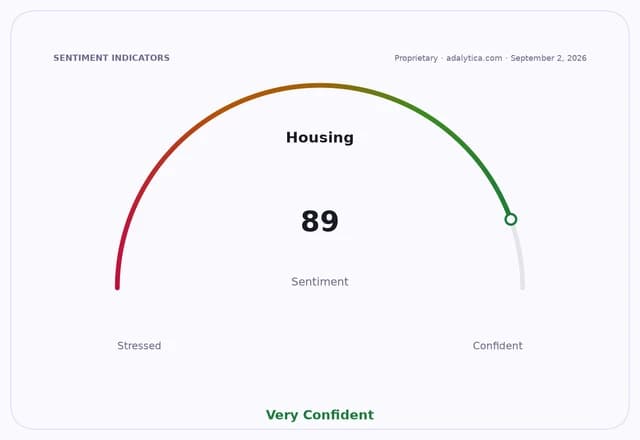
The pattern fits a familiar split in American housing. The median borrower is still constrained by rates and prices, but Manhattan’s richest buyers are far less dependent on financing and more exposed to equity portfolios, bonuses and business gains. That leaves them better positioned to absorb higher carrying costs, especially in a market where trophy assets are scarce and the best inventory still commands premium pricing.
The data point also lines up with the broader luxury real estate theme running through the city: demand remains concentrated in properties that offer exclusivity, location and scarcity value rather than simple shelter. In Manhattan, that often means buyers are not just purchasing housing but parking capital in an asset class that can preserve status and relative value through cycles.
For developers and brokers, the implication is that the high end can still clear even when the rest of the market slows, but only for the right product. Well-located, distinctive homes with strong branding and limited supply are likely to keep drawing bids, while less differentiated listings may need pricing concessions to move.
For investors, the takeaway is more nuanced. Luxury housing strength is supportive for names tied to premium brokerage, development and transaction activity, but it does not signal a broad-based housing recovery. If anything, it reinforces the divide between cash-rich buyers at the top and rate-sensitive households below, a split that can keep the overall market subdued even as headline sales at the high end accelerate.
The key test from here is whether the pace of $10 million-plus deals can hold if financial markets wobble or if higher yields begin to bite into wealth effects. For now, Manhattan’s richest buyers are still spending, and that keeps the city’s top-end property market one of the more resilient pockets in U.S. real estate.
| Entity | Gains | Losses |
|---|---|---|
| Manhattan luxury sellers | ▲Faster absorption | ▼Need to discount less |
| Wealthy cash buyers | ▲Access to scarce assets | ▼Higher carrying costs |
| Brokers and developers | ▲Stronger commissions and pricing power | ▼Slower turnover in weaker stock |
| Broader housing market | ▲Limited spillover from ultra-luxury strength | ▼No relief from affordability pressure |