Mercado Bitcoin and Bitso plan Brazil crypto platform
Mercado Bitcoin and Bitso are combining forces to build a larger Brazilian digital asset platform, a move that underscores how Latin America’s crypto market is shifting from fragmented local operators toward scale players that can better compete with global exchanges and payment firms.
The tie-up matters economically because Brazil is the region’s biggest crypto market and one of the few where digital assets are moving closer to mainstream financial infrastructure. In a market still shaped by fee pressure, tighter compliance demands and rising customer-acquisition costs, size is becoming a strategic advantage. A combined platform could spread technology, custody and regulatory costs across a larger user base, improve liquidity and strengthen product breadth in trading, payments and tokenized assets.
For investors, the deal is a sign that the crypto industry in Latin America is entering a consolidation phase. Smaller platforms are likely to struggle to match the marketing budgets, balance-sheet depth and regulatory reach of global rivals. The logic is familiar from other fintech sectors: the winners tend to be firms that can combine distribution, trust and operational scale. Mercado Bitcoin and Bitso are betting that a broader footprint will let them defend margins even as competition intensifies.
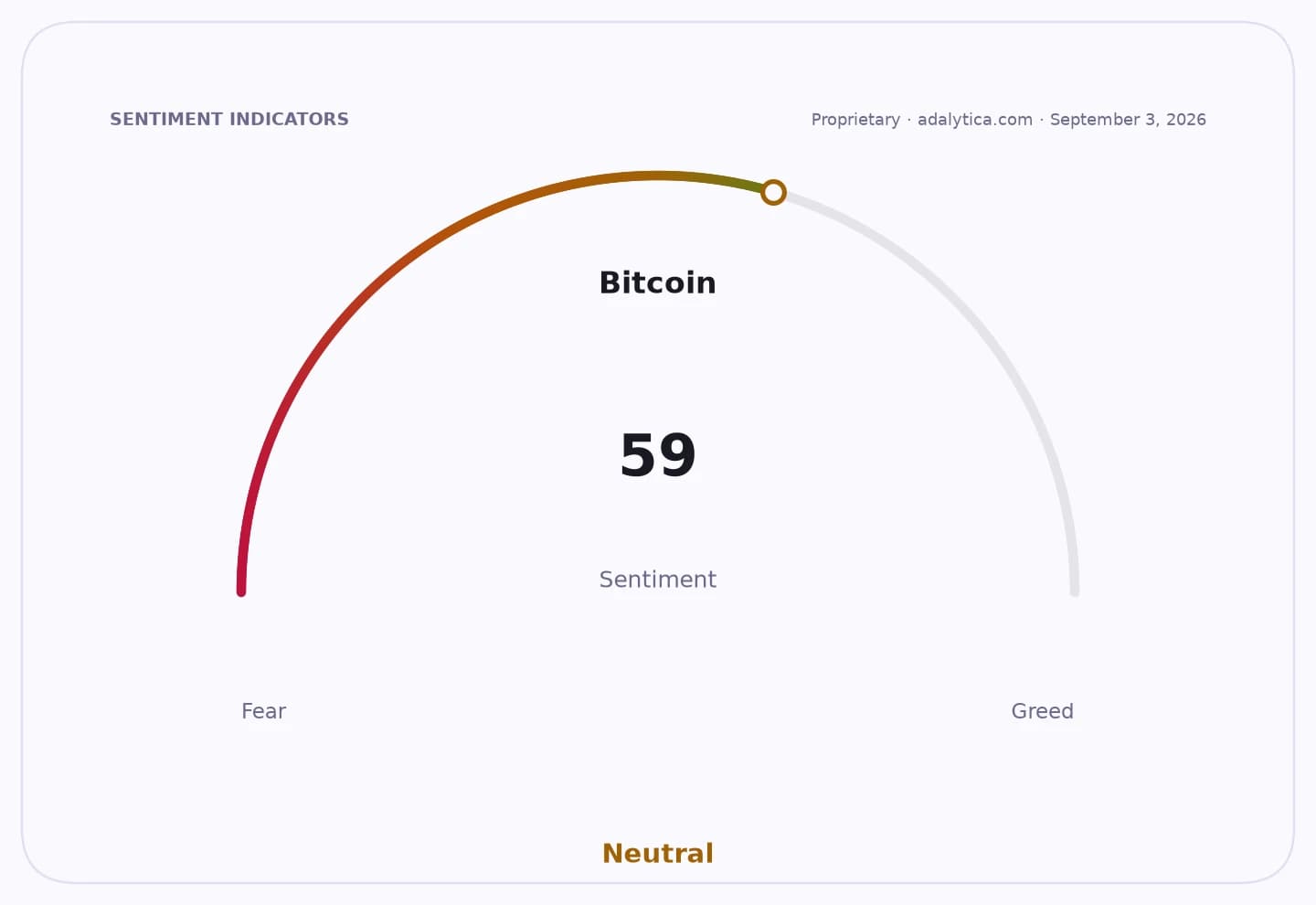
The move also reflects a broader recovery in crypto risk appetite. Bitcoin has been trading with more resilient sentiment, though technical readings suggest the market is not yet in a clean bullish trend. Adalytica’s Bitcoin Fear & Greed Index shows sentiment in neutral territory at 59, while awareness remains in fear at 23, indicating interest has improved but conviction is still mixed. Bitcoin’s recent price action has also left it above its 50-day moving average in late August and early September, after a sharp drawdown earlier in the year, suggesting the market has regained momentum but remains vulnerable to reversals.
That backdrop matters for exchange operators and related listed names. Coinbase, the closest public-market proxy for crypto trading volumes and adoption, has also seen choppy trading, with its shares recovering from deep February lows before easing in early September. The pattern points to a market where investors are rewarding scale and optionality, but still discounting earnings visibility. For private platforms in Brazil, that makes partnership and consolidation more attractive than an expensive solo push into international competition.
There is also a regional competitive angle. By joining forces, Mercado Bitcoin and Bitso may be trying to pre-empt the kind of encroachment seen in other emerging markets, where global exchanges, payments companies and asset managers gradually capture retail and institutional flows. Brazil’s regulatory and banking environment can reward firms that localize effectively, but it also raises the bar for compliance and consumer protection. A larger combined operator may be better placed to navigate those requirements and win over institutions that want deeper liquidity and clearer governance.
The main risk is execution. Crypto mergers are often easier to announce than to integrate, especially across different technology stacks, product lines and country operations. If the deal does not quickly produce lower costs, better trading depth or stronger user growth, the competitive benefit could fade. But if Mercado Bitcoin and Bitso can align their platforms and brands, the combination could mark one of the clearest signs yet that Latin America’s crypto market is moving into a more mature, scale-driven phase.
| Entity | Gains | Losses |
|---|---|---|
| Mercado Bitcoin & Bitso | ▲Greater scale and reach | ▼Higher integration risk |
| Brazilian crypto users | ▲Broader products and liquidity | ▼Less price competition |
| Global crypto giants | ▲More local competition | ▼Easier market entry |
| Smaller regional exchanges | ▲Harder to compete | ▼Loss of market share |