Mercedes-Benz, BMW, Hyundai Push In-Car Software Control
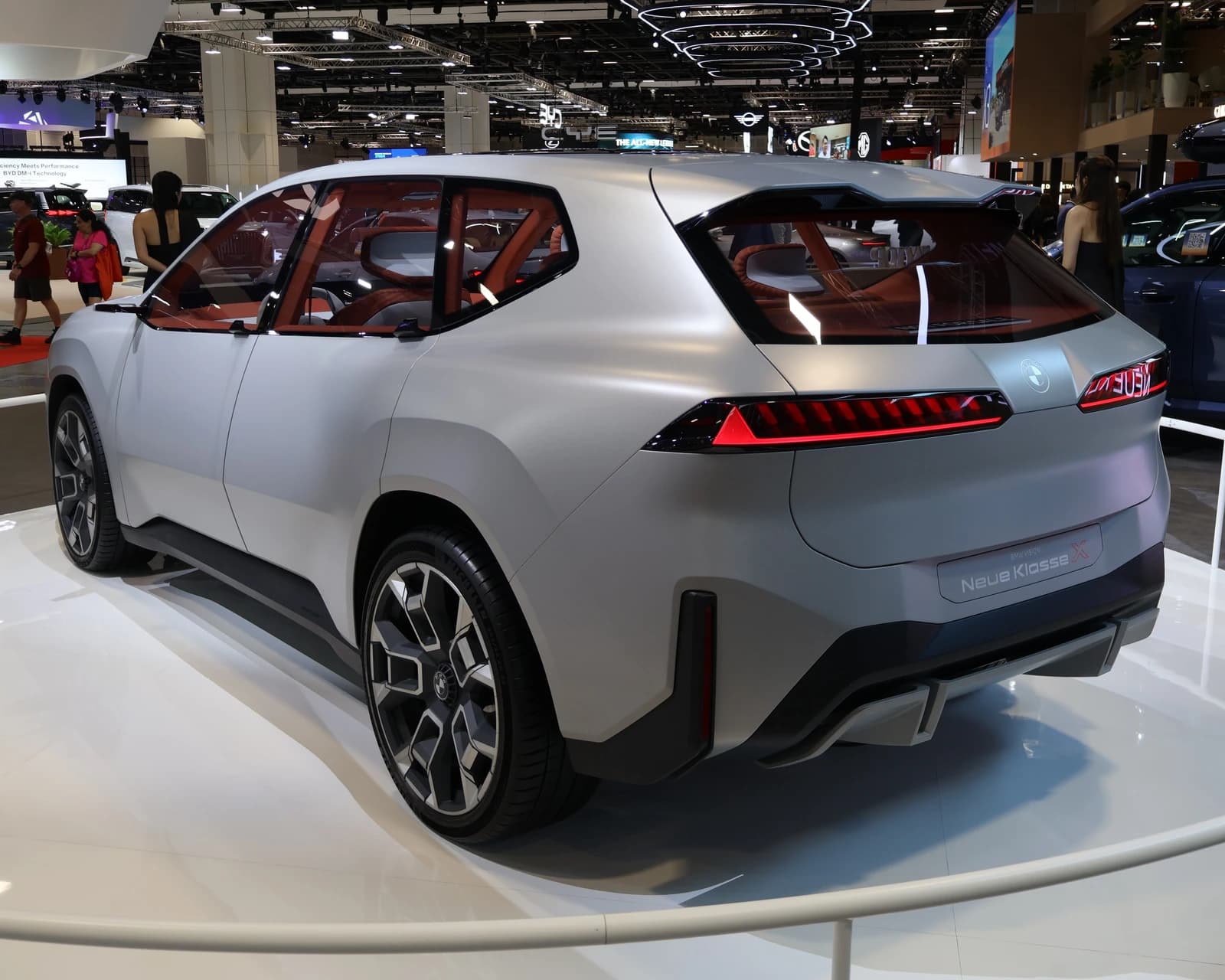
The battle for the dashboard is becoming a battle for the whole car, with Hyundai Motor, Mercedes-Benz and BMW pushing to control the in-car software layer that increasingly determines what drivers see, buy and use once they are inside the vehicle.
That matters because the screen is no longer just an instrument cluster or infotainment panel. It is turning into the main gateway to navigation, entertainment, payments, driver-assistance features and, eventually, subscription revenue. Whoever controls that interface can capture more customer data, defend pricing power and reduce dependence on third-party software ecosystems that could siphon away margin and brand control.
The stakes are especially high for legacy automakers trying to preserve the premium relationship with buyers while Silicon Valley and Chinese electric-vehicle groups redefine what a modern car should look and feel like. A vehicle that boots into a branded digital environment can deepen loyalty and support recurring revenue. One that merely displays another company’s operating system risks becoming a commodity on wheels.
Investors have been treating this transition as more than a design exercise. It is a capital-allocation question. Automakers are spending heavily on software platforms, cloud connectivity and user experience at the same time as they face pressure from electrification, weaker demand in some markets and intense price competition. That has raised fears that software ambitions could lift costs faster than they create profits, particularly if carmakers fail to scale enough users across multiple nameplates and regions.
Mercedes and BMW, which depend on premium buyers and higher margins, have the most to lose if the cabin interface becomes the customer’s primary loyalty point rather than the badge on the grille. Hyundai, meanwhile, is trying to use a unified digital architecture to move upmarket and differentiate itself across a broader product range. For all three, the goal is to turn the screen into a strategic asset rather than a supplier-controlled component.
Recent trading in Mercedes-Benz reflects the tension. The U.S.-listed shares closed at $13.48 in the latest session, well below the 200-day moving average of $14.67, suggesting the market remains cautious even as the stock sits above its 50-day average of $13.19. Conventional technical indicators show momentum stabilizing after a sharp pullback in March and June, but investors appear to want evidence that software-led differentiation can translate into better earnings, not just better interfaces.
The broader backdrop does not help. Adalytica’s S&P 500 trade-signal snapshot shows “Extreme Fear,” underscoring how defensive sentiment can make investors less willing to pay up for long-duration transformation stories. In that environment, automakers need to show that spending on the digital cockpit can improve retention, monetization and operating leverage rather than simply adding another layer of complexity.
The next phase of the contest will be judged on adoption, not architecture. Investors will watch whether automakers can convince buyers to use their own navigation, voice, commerce and service ecosystems instead of defaulting to Apple or Google. The company that wins that daily touchpoint may not just own the screen — it may own a larger share of the economics of the car.
| Entity | Gains | Losses |
|---|---|---|
| Hyundai Motor | ▲Stronger software control | ▼Supplier dependence |
| Mercedes-Benz | ▲Premium digital monetization | ▼Margin pressure from tech spend |
| BMW | ▲Customer loyalty through interface | ▼Ecosystem control to Big Tech |
| Apple/Google | ▲Embedded relevance if adopted | ▼Direct automaker control |