Meta and Alphabet as AI infrastructure assets
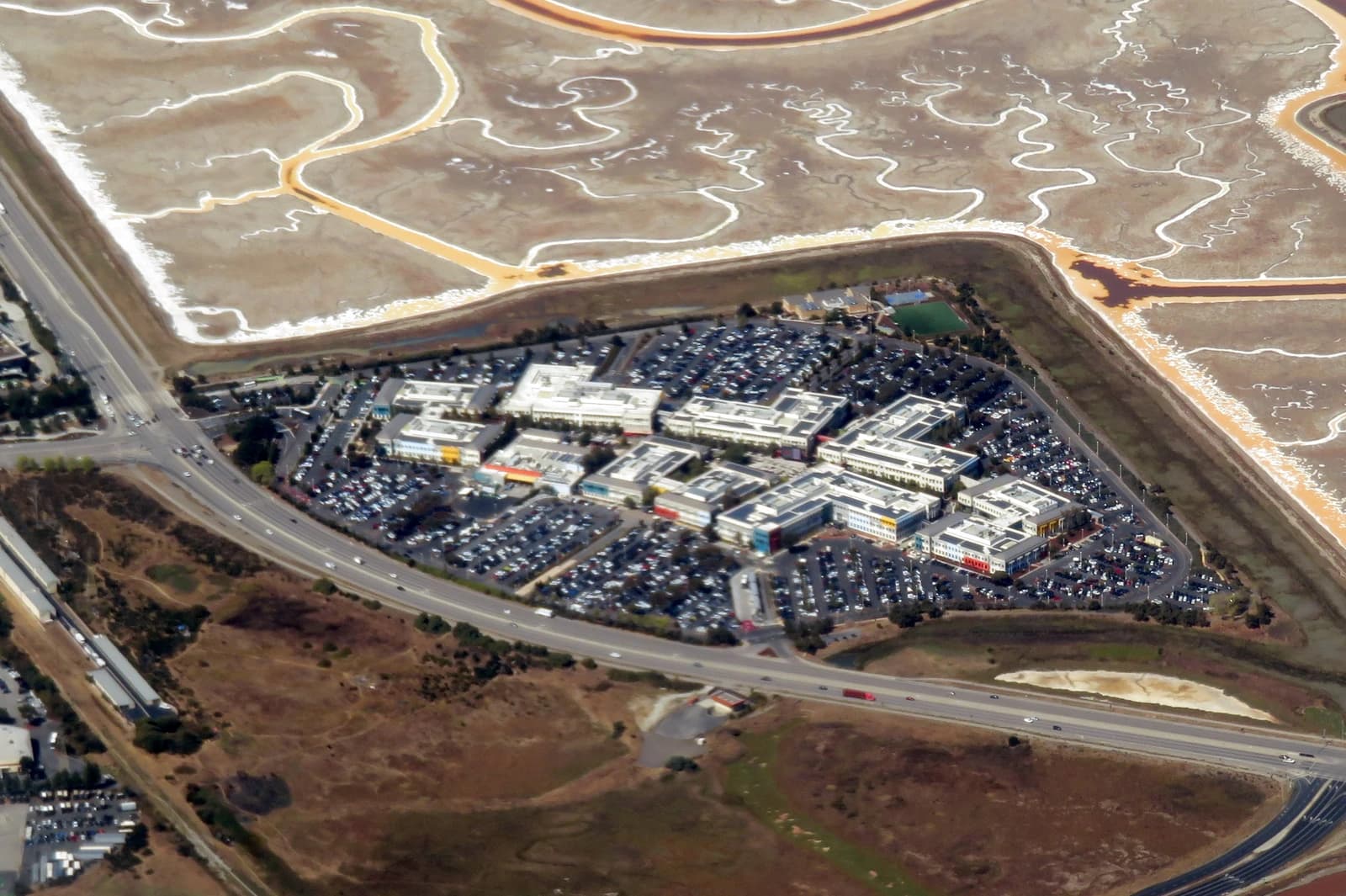
Meta Platforms and Alphabet are no longer just advertising giants with artificial intelligence ambitions; they are increasingly being priced like strategic infrastructure owners whose value depends on data, compute, power and state policy.
That shift matters because the market is moving beyond the old story that these companies live or die by ad growth. Their biggest competitive advantage now is not only their user reach, but the scale of the physical and digital systems behind their services: data centers, fiber, cloud capacity, AI tooling and the energy required to keep all of it running. In a world where AI training, model safety and enterprise deployment are all becoming slower, more regulated and more power-intensive, Meta and Alphabet look less like discretionary tech names and more like indispensable national assets.
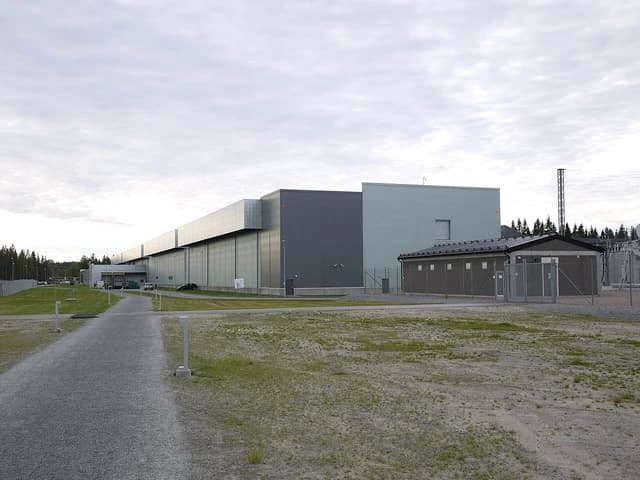
The latest debate inside the AI industry helps explain why. OpenAI, Anthropic, Google DeepMind and even Elon Musk have all recently argued for a slower pace of frontier AI development, with some calling for earlier third-party safety access to models. That is not a call to stop spending. It is a signal that AI is becoming a long-cycle infrastructure buildout, one that will require more compute, more compliance and more capital before it produces reliable commercial returns.
For Meta and Alphabet, that matters in two ways. First, both companies sit near the top of the AI stack through cloud, platforms and partnerships, so any delay in model releases or enterprise adoption could pressure near-term growth expectations. Second, a slower but more controlled rollout can also protect margins over time if it tempers the frantic race to overbuild. Investors care because these businesses are already spending heavily on the next phase of computing, and the market is starting to treat that spending less like optional product investment and more like strategic capex.
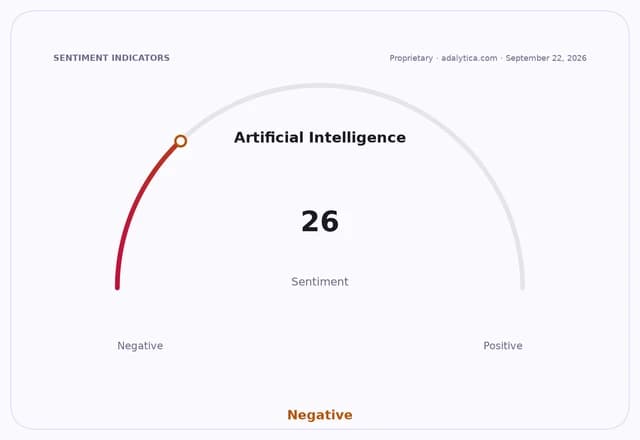
You can see that re-rating in the way investors reacted across the AI complex. When the sector sold off, the heaviest damage fell not only on chipmakers but on the energy and infrastructure names that power data centers. That is a reminder that the AI trade has widened into a full industrial ecosystem. Meta and Alphabet, by contrast, were relatively resilient and even gained ground, underscoring how the market is separating the owners of the platforms from the suppliers who feed them.
The long-term case is straightforward. If AI becomes as central to commerce, search, video, software and communications as electricity is to modern industry, then the companies controlling the largest distribution networks and compute footprints may deserve infrastructure-like valuations. That does not mean their stocks will be calm; it means investors should think in terms of durable assets, not just quarterly ad cycles.
There are risks, of course. Regulation could tighten, export controls could reshape supply chains, and slower AI deployment could push back monetization. But for patient investors, the bigger picture is that Meta and Alphabet are building the digital arteries of the global economy. That is a powerful place to be over the next 3 to 10 years, especially if you believe AI will become embedded in everything from search and messaging to cloud services and enterprise workflows. Worth watching, and arguably worth owning for the long haul.
| Entity | Gains | Losses |
|---|---|---|
| Meta Platforms | ▲Infrastructure-style valuation | ▼Short-term capex pressure |
| Alphabet | ▲Strategic compute and platform power | ▼Faster monetization risk |
| AI infrastructure suppliers | ▲Near-term demand for gear and power | ▼If spending slows |
| Investors with long horizons | ▲Secular compounding exposure | ▼Traders chasing quick AI cycles |