Meta plans custom AI chip for 2027 deployment

Meta Platforms is aiming to start deploying a new AI chip made by Taiwan Semiconductor Manufacturing Co. in the first half of 2027, a move that could help the social media giant trim its ballooning infrastructure bill and reduce reliance on Nvidia’s costly processors.
That matters because AI is no longer just a race to build bigger models — it is becoming a contest over who can run them cheaply enough to protect margins. Meta has been one of the most aggressive spenders in the sector, with its latest filings saying infrastructure investment tied to AI is set to keep rising as it adds servers, data centers, network gear and third-party cloud capacity. For long-term investors, the key question is not whether Meta can spend, but whether it can turn that spending into durable earnings power.
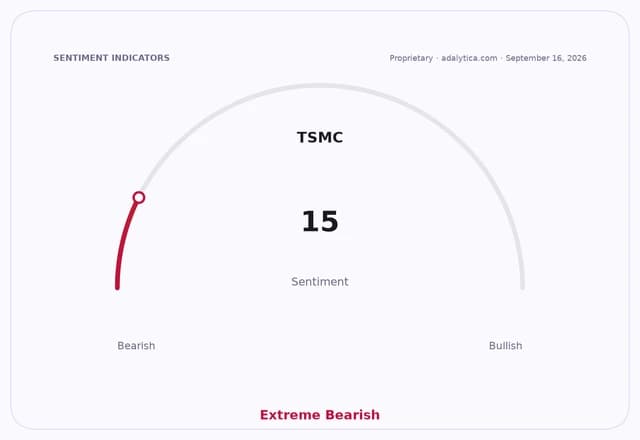
A homegrown chip strategy would give Meta more control over one of its biggest cost centers. Nvidia still dominates the market for AI accelerators, and its chips remain the default choice for training and running frontier models. But the more a company can shift routine inference and internal workloads onto custom silicon, the more it can improve efficiency and preserve free cash flow over time. Meta is effectively saying that scale alone is not enough; it wants scale with leverage.
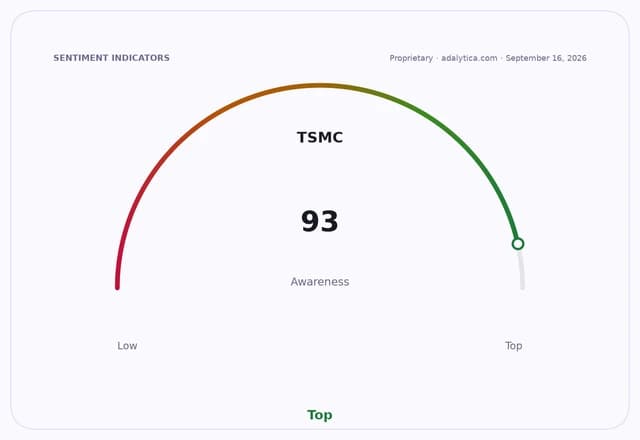
The timing also fits the broader AI arms race. Major cloud and platform companies have been trying to reduce dependence on Nvidia by designing in-house silicon or partnering on custom chips, both to secure supply and to lower per-unit computing costs. TSMC stands to benefit as the foundry that will manufacture the chip, while Nvidia faces the risk that its most valuable customers will gradually become less dependent on its products, even if demand for its GPUs remains intense for years.
Meta’s shares have been volatile, but the stock has also shown that investors still reward evidence of AI execution when it appears to translate into better economics. The company’s recent trading pattern, with shares now well above their 50-day and 200-day moving averages, suggests the market is willing to look through short-term spend if Meta can prove that its AI investments improve engagement, advertising performance and operating efficiency.
For investors, the big picture is straightforward: Meta is trying to build an AI stack that is cheaper, more controllable and less beholden to outside suppliers. That is exactly the kind of move that can widen a moat over time if execution holds. The rollout is still more than a year away, and Nvidia’s leadership in AI computing is not going away soon, but Meta’s custom-chip push is another reminder that the most powerful companies in AI are also fighting a margin war. Worth watching for long-term holders.
| Entity | Gains | Losses |
|---|---|---|
| Meta Platforms | ▲Lower AI costs | ▼Less reliance on Nvidia |
| TSMC | ▲New foundry demand | ▼None |
| Nvidia | ▲Continued AI demand | ▼Custom-chip substitution risk |
| Long-term Meta investors | ▲Better margins over time | ▼Near-term capex pressure |