Mexican peso strengthens below 17 per dollar
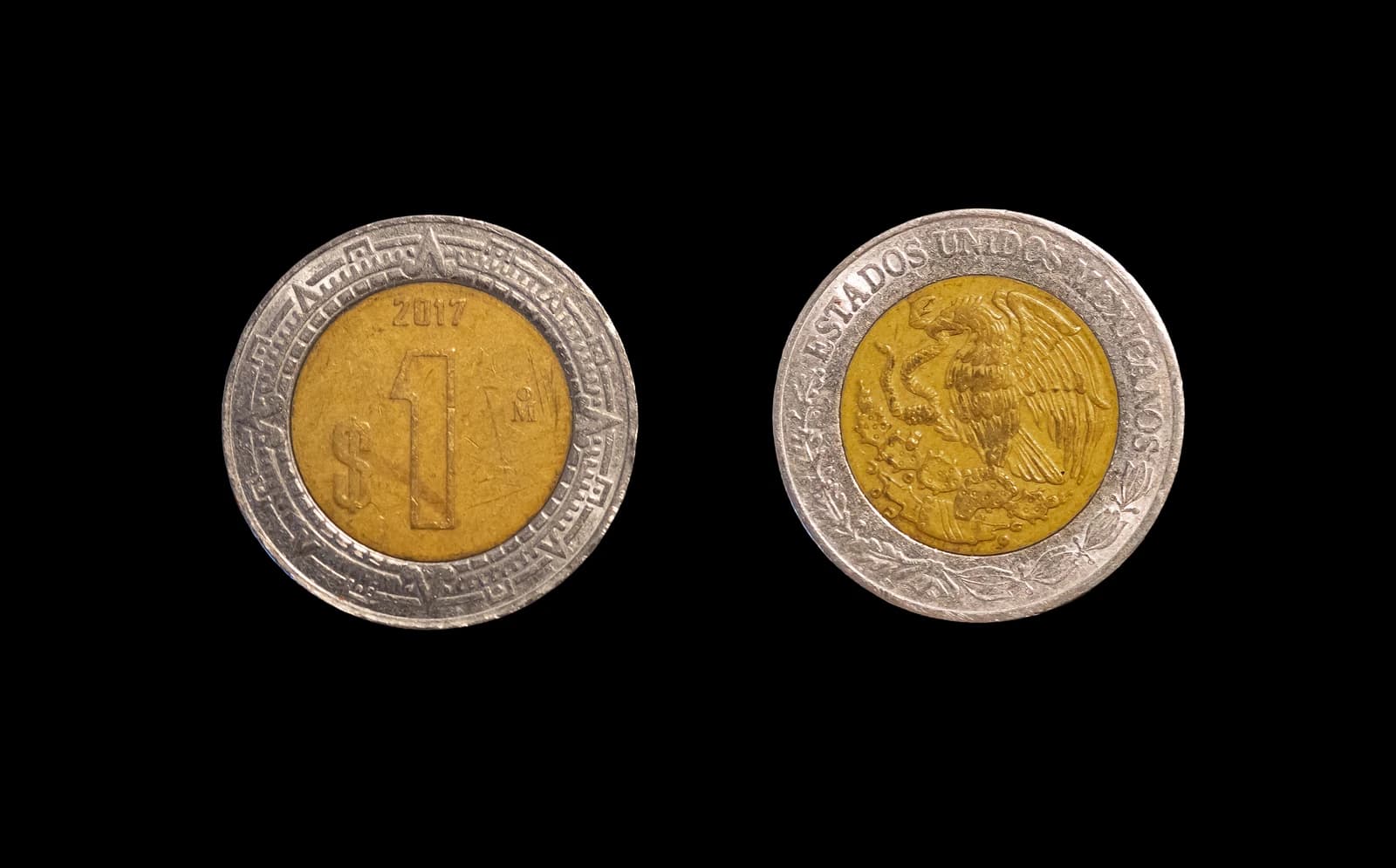
The Mexican peso strengthened through 17 per dollar for the first time since May 2024, underscoring how a softer U.S. rate outlook and persistent carry-trade demand are still pulling capital into higher-yielding emerging-market assets.
The move matters because the peso is one of the market’s clearest barometers of global risk appetite and interest-rate differentials. With the U.S. 10-year Treasury yield around 4.68% and the 2-year near 4.19%, investors are still being offered relatively attractive returns in dollars, but the peso’s advance shows that Mexico’s yield premium remains compelling enough to draw flows even as geopolitics injects bursts of caution.
The currency closed at 16.96 per dollar on Aug. 20, after touching 17.03 and 17.06 in the prior two sessions, according to price data. That leaves it well above its 50-day moving average of 17.35 and its 200-day average of 17.57, a sign the rally has not merely been a one-day move but part of a broader revaluation. The conventional RSI reading of 12.5 suggests the peso is technically stretched, which may make it vulnerable to short-term consolidation, but the broader trend remains firm.
For Mexico, the stronger currency helps ease imported inflation and lowers the local-currency burden of dollar debt, while reinforcing the case that the central bank can maintain a measured policy stance if inflation stays contained. It also reflects confidence that Mexico can continue benefiting from nearshoring-linked investment, resilient export demand and a still-wide interest-rate advantage over developed markets. The flip side is that an overly strong peso can pressure exporters, manufacturers and companies with dollar revenues translated back into pesos.
The peso’s gains have also been supported by fading expectations of further Federal Reserve tightening, a shift that tends to weaken the dollar and make higher-yielding emerging-market currencies more attractive. Any renewed surge in U.S. yields or escalation in Middle East tensions could quickly reverse that dynamic, as recent modest intraday depreciation showed. Investors are now focused on the next Fed and Bank of Mexico decisions, which will determine whether the peso can hold below 17 or whether the move becomes another temporary break of a psychologically important level.
| Entity | Gains | Losses |
|---|---|---|
| Mexican consumers | ▲Cheaper imports | ▼None |
| Mexican exporters | ▲None | ▼Lower peso revenues |
| Dollar-funded carry traders | ▲Higher FX gains | ▼Volatility risk |
| U.S. Treasury holders | ▲Higher yields | ▼Stronger peso flows |