Mexico 2027 budget funds minimum wage studies
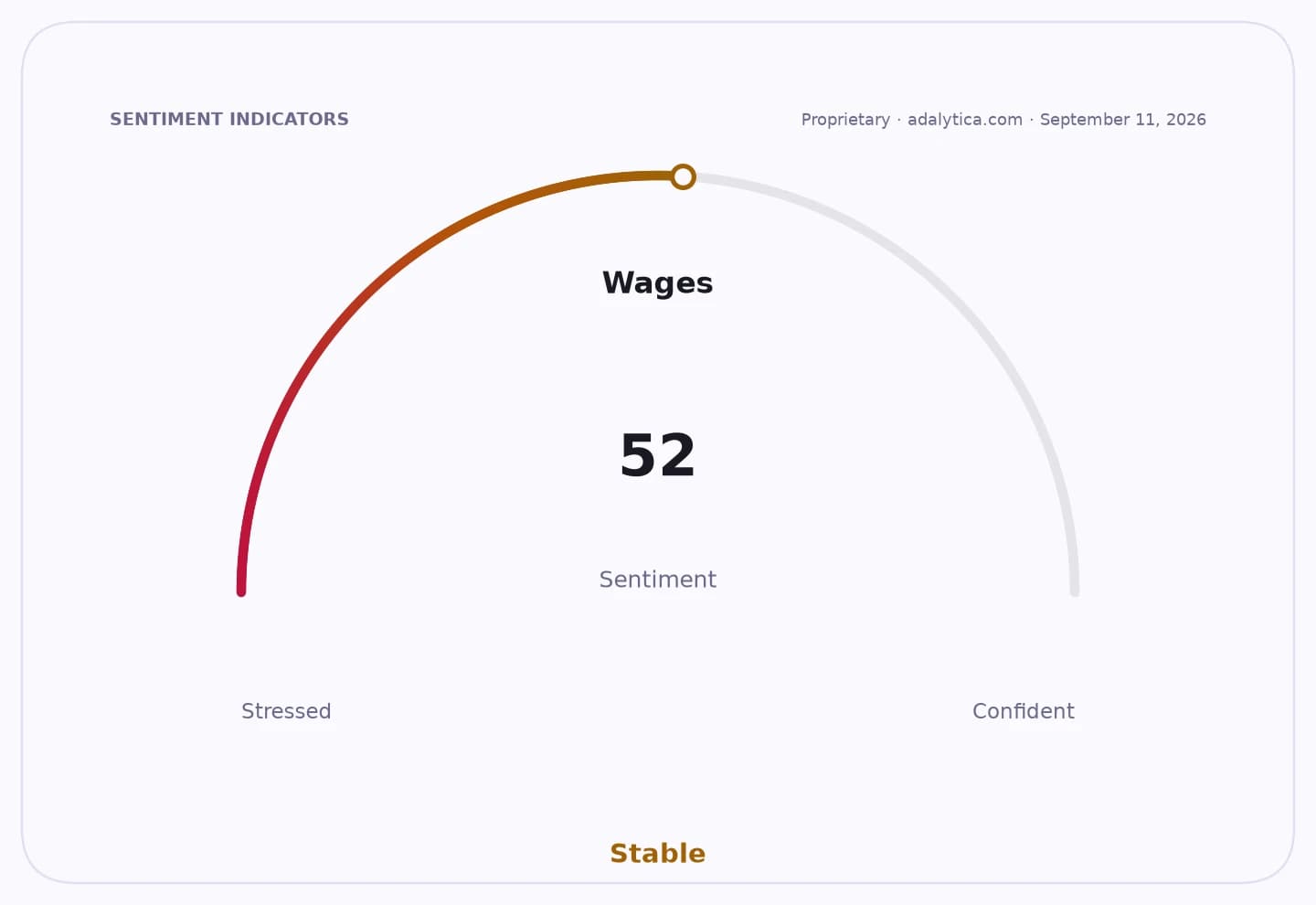
Mexico’s 2027 economic package sets aside 14.4 million pesos for the technical work behind next year’s minimum-wage decision, underscoring that wage policy remains a central economic lever for the government and a cost factor for employers heading into 2027.
The funding, earmarked for economic studies at the National Minimum Wage Commission, Conasami, covers the analysis, bargaining and labor-market diagnostics used to determine any increase in the statutory wage. Of that amount, 14.35 million pesos will go to personnel costs for specialized staff, while just 93,162 pesos is listed for direct operating expenses.
The budget request for Conasami totals 19.21 million pesos in 2027, up 3.2% from 18.62 million pesos requested for 2026. The agency said its work will support “sustained, responsible, consensual and above-inflation increases” and help follow labor-market conditions and the effects of wage policy.
For investors, the larger point is not the size of the budget line itself but what it implies for labor costs across Mexico’s low-margin retail, consumer and manufacturing sectors. Conasami said it expects to lift the purchasing power of the minimum wage so it covers between 1.93 and 2.02 basic food baskets in 2027, a sign the government is still prioritizing real-wage gains even as it manages inflation and employment trade-offs.
That keeps pressure on companies with heavy frontline payrolls and on firms exposed to rising local-currency wage bills, especially in a country where labor policy can quickly filter into pricing, margins and household spending power. Retailers and consumer names with large Mexico operations are likely to watch the 2027 wage-setting process closely, along with employers balancing higher wages against demand and competitiveness.
The process also comes as Mexico’s labor market remains a key policy focus, with the government tying wage-setting to market conditions rather than one-off political targets. The next catalyst is the formal budget debate and the eventual minimum-wage decision, which will show whether policymakers keep pushing real wage gains without adding fresh pressure to inflation and corporate margins.
| Entity | Gains | Losses |
|---|---|---|
| Workers | ▲Higher purchasing power | ▼— |
| Mexican government | ▲Political support for wage gains | ▼Budget scrutiny |
| Employers | ▲Predictable wage-setting process | ▼Higher payroll costs |
| Retailers and manufacturers | ▲Stronger consumer demand if wages rise | ▼Margin pressure |