Mexico Oil Sector Faces Underinvestment and Security Risks

Mexico’s oil and gas sector is getting a lift from higher crude prices and stronger trading in energy equities, but the industry’s bigger problem is not the commodity cycle — it is a mix of chronic underinvestment, state-company constraints and worsening security that keeps production, logistics and new project development under pressure.
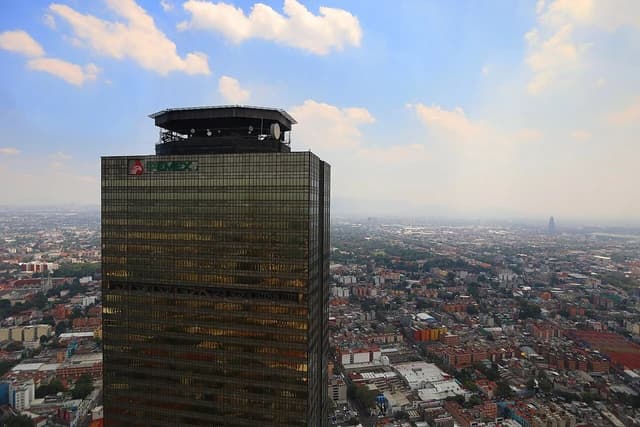
Mexican-linked oil shares have outperformed on the back of firmer crude, with Brent and WTI near the mid-$80s a barrel and WTI forecast to edge higher to $87.05 on Aug. 12, but that doesn’t solve the structural drag on Mexico’s upstream and midstream businesses. Pemex, the state oil company at the center of the system, still faces a balance-sheet squeeze and operational limits, while private producers and service firms must navigate policy uncertainty and real-world disruption.
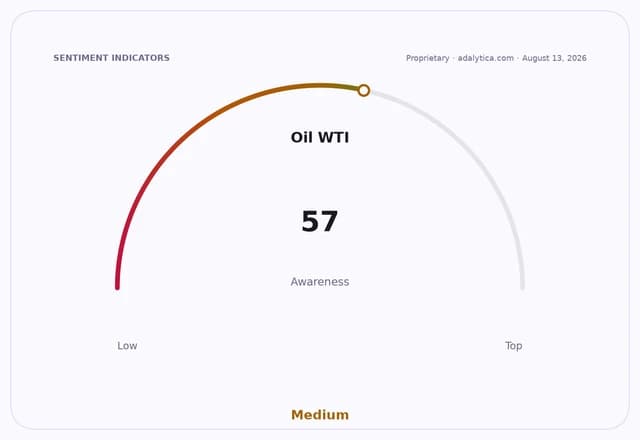
The market backdrop is supportive but not transformative. WTI has rebounded from $79.77 on Aug. 7 to $84.77 on Aug. 11, and Adalytica’s Oil WTI Trade Signals snapshot shows sentiment in “Greed” at 76, even after a sharp one-day pullback. That has helped oil names such as Petrobras, Ecopetrol and Suncor Oil, but Mexico’s challenge is less about getting a higher barrel price and more about converting that price into reliable output and cash flow.
For investors, that distinction matters. Petrobras shares have climbed to $17.76, well above the 200-day moving average of $16.37, while Suncor has risen to $63.88 and Ecopetrol to $55.12. Those moves show what a supportive oil tape can do for producers with clearer capital allocation and operating leverage; Mexico’s sector has less room to benefit because capital spending is still being channeled into keeping the system running rather than expanding it.
Security is a direct economic risk, not a side issue. The return of cartel violence in Zacatecas, including the killing of five people found hanging from a bridge, reinforces the operational hazards that raise transport costs, disrupt labor and complicate field development across parts of the country. For energy companies, that means higher execution risk and more caution from lenders, contractors and insurers.
The narrative for Mexico’s oil patch is therefore not one of rising crude solving the business model. It is one of a sector trying to treat symptoms — higher prices, short-term cash needs and headline-driven sentiment — while the underlying problems remain security, investment and policy credibility.
| Entity | Gains | Losses |
|---|---|---|
| Crude producers with strong balance sheets | ▲Higher realized prices | ▼Limited, if any |
| Mexico’s oil sector | ▲Near-term revenue uplift | ▼Structural underinvestment |
| Pemex | ▲Cash flow from firmer oil | ▼More pressure to fund operations |
| Contractors and investors seeking stable returns | ▲Potential margin support | ▼Security and policy risk |