Mexico Tourism GDP Ranks Fourth Globally
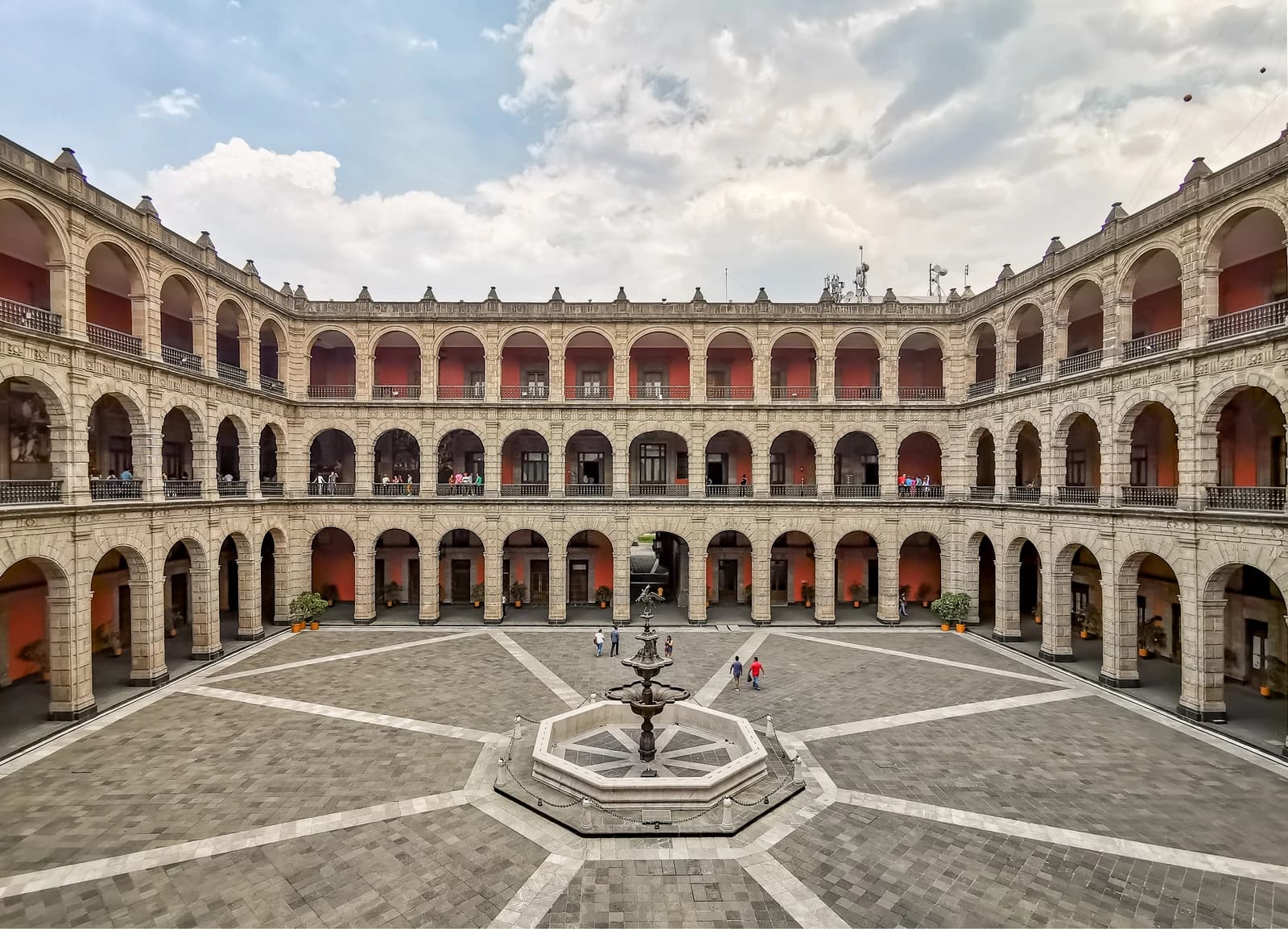
Mexico’s tourism economy has cemented its place among the world’s largest, with the country ranking fourth globally for both the direct contribution of travel and tourism to GDP and for leisure travel spending, a scale that makes the sector a meaningful pillar of national growth and employment.
The new World Travel & Tourism Council rankings matter because they show Mexico is not just a popular destination, but one of the few tourism markets with enough breadth to move macroeconomic numbers. WTTC said Mexico generated $149.4 billion in direct travel and tourism GDP contribution in 2025 and $237.9 billion in leisure travel spending, placing it behind only the U.S., China and Germany in both measures. For an economy that held fourth place in the GDP ranking every year since 2019, the latest figures suggest resilience rather than a temporary rebound.
That resilience matters for investors because tourism is one of Mexico’s biggest hard-currency engines, supporting hotels, airlines, airports, retailers and infrastructure operators while helping offset weaker export cycles. WTTC estimates the sector’s total contribution to Mexico’s GDP at $282.7 billion, or 15.2% of the economy, and 8.2 million jobs, or 13.9% of employment, in 2025. Those numbers are expected to rise again in 2026, to $289.6 billion and 8.4 million jobs. In a country where consumer demand and employment still lean heavily on services, that makes tourism a transmission channel for growth, tax receipts and private investment.
The story also underlines Mexico’s unusual position in Latin America. It is the only regional economy appearing in both global rankings, yet it still trails several peers on growth momentum. WTTC said Mexico ranked sixth in the Americas for growth in international visitor spending versus 2019, with spending up just 1.7%, modestly above the global average of 1.5% but far behind faster-growing destinations such as Cuba, Chile and Colombia. That gap suggests scale is not the same as acceleration: Mexico already has the base, but it has room to improve the pace of expansion.
Quintana Roo remains the key reason Mexico stays near the top. The state, which includes Cancún, the Riviera Maya, Playa del Carmen and Cozumel, anchors the country’s sun-and-beach model and benefits from deep hotel inventory, air connectivity and ongoing infrastructure investment. For airlines, airport operators and tourism-linked businesses, that concentration is both a strength and a risk: it delivers reliable demand, but also leaves the national outlook exposed to security perceptions, transport bottlenecks and the need to keep destinations competitive against lower-cost rivals in the Caribbean and Central America.
For investors, the read-through is straightforward. Mexico’s tourism complex looks structurally large and still growing, but the next leg of value creation depends on converting popularity into higher spending per visitor, better connectivity and more resilient infrastructure. WTTC’s 2026 forecast points to continued expansion, but the slower international growth rate versus regional peers suggests the market will reward operators and listed travel names that can capture new demand rather than simply rely on Mexico’s existing scale.
The broader implication is that Mexico’s tourism industry is no longer just a destination story. It is a macro story about one of the country’s most durable sources of GDP, jobs and foreign exchange — and about whether the sector can move from size to speed.
| Entity | Gains | Losses |
|---|---|---|
| Mexico tourism sector | ▲Bigger GDP role | ▼Pressure to accelerate growth |
| Quintana Roo destinations | ▲Continued visitor demand | ▼Exposure to capacity and infrastructure limits |
| Airlines and airports | ▲Higher passenger volumes | ▼Need for sustained investment |
| Regional rivals | ▲Benchmark to chase | ▼Share of incremental visitor spending |