Michigan race targets AI data-center expansion
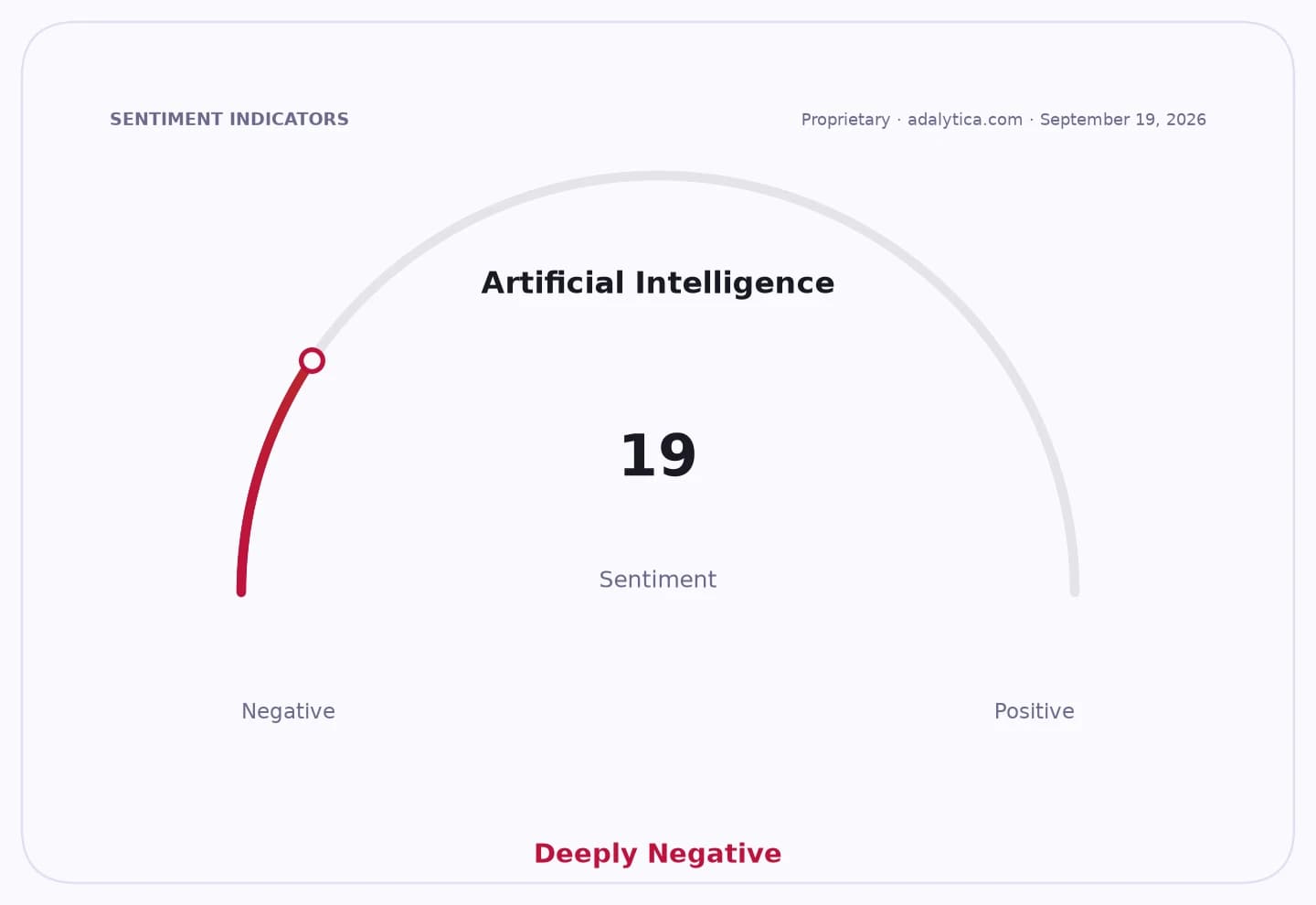
Will Lawrence has turned opposition to data-center expansion and artificial intelligence into a central policy plank in Michigan’s 7th Congressional District race, proposing a federal moratorium on new development and a broader framework that would put Washington, not local communities, in charge of setting limits on Big Tech’s physical footprint.
The plan matters well beyond a single House seat because it speaks to one of the most contentious policy questions in the AI boom: who pays for the power, land, water and grid upgrades needed to support the buildout. For hyperscale operators and their investors, the issue is not abstract. Data-center permitting, environmental review and zoning fights can delay projects, raise capital costs and constrain returns on a wave of infrastructure spending that has become a major growth engine for cloud and AI leaders.
Lawrence’s proposal, rolled out Thursday, calls for pausing data-center and advanced AI development while a national AI compact is negotiated. It also seeks environmental protections around new facilities, safety requirements for AI models and a jobs program funded by a tax on AI industry profits. The program would direct money into elderly care, public lands, wetland restoration, community centers and support for small businesses and farmers, underscoring the campaign’s argument that AI gains should be redistributed to communities it says are being disrupted.
For investors, the immediate takeaway is that the political backlash against AI infrastructure is widening from the West Coast and Europe into the industrial Midwest, where land use, utility access and local permitting are becoming investable risks. That is particularly relevant for large platform companies that need vast power supplies and new server capacity to support AI services. Microsoft, Alphabet’s Google and Amazon have all flagged regulatory, permitting and environmental hurdles in recent filings, while data-center owner Equinix has warned that tighter local rules can emerge where there are shortages of power, land or resources.
The broader political split is not simply pro-technology versus anti-technology. Lawrence argues for a sweeping federal reset that would also limit AI in schools, tighten privacy rules and prohibit AI from making decisions at the Social Security Administration. His Republican opponent, Tom Barrett, is also pressing for federal AI guardrails, but Barrett’s camp says the government should not override local zoning and land-use decisions. That distinction matters because the biggest near-term constraint on data-center growth is often not model regulation but the ability to secure sites, permits and utility connections.
The market’s reaction to Big Tech has so far been more driven by earnings and AI capex than by election rhetoric, but the policy overhang is becoming harder to ignore. Alphabet, Meta and Amazon have all traded sharply in recent months as investors weighed the payoff from heavy AI spending against the risk of slower monetization and higher regulatory costs. Conventional technical indicators on the stocks have also pointed to volatility: Alphabet remains above its 200-day moving average but has come off recent highs, Meta has swung from overheated readings to a pullback and Amazon has been struggling to hold above its short-term trend. Those moves suggest investors are still pricing AI as a growth story, but one vulnerable to policy shocks.
The headline risk for Big Tech is that local resistance, if it coalesces into state or federal action, could slow the pace at which companies convert AI demand into infrastructure and revenue. The counterargument from the industry is that a moratorium would amount to a self-inflicted brake on a strategic technology that supports productivity, cloud adoption and national security. For now, Lawrence’s plan is a campaign proposal, not legislation. But it captures a real shift in the debate: AI’s next constraint may come less from code than from power grids, zoning boards and the politics of where the servers go.
| Entity | Gains | Losses |
|---|---|---|
| Big Tech opponents | ▲political momentum | ▼data-center expansion |
| Hyperscale cloud firms | ▲clarity if rules are standardized | ▼faster permitting, local autonomy |
| Michigan communities | ▲leverage over land use | ▼near-term investment inflows |
| AI investors | ▲policy visibility if compact emerges | ▼valuation if buildout slows |