Micron gains on firm HBM pricing read-through
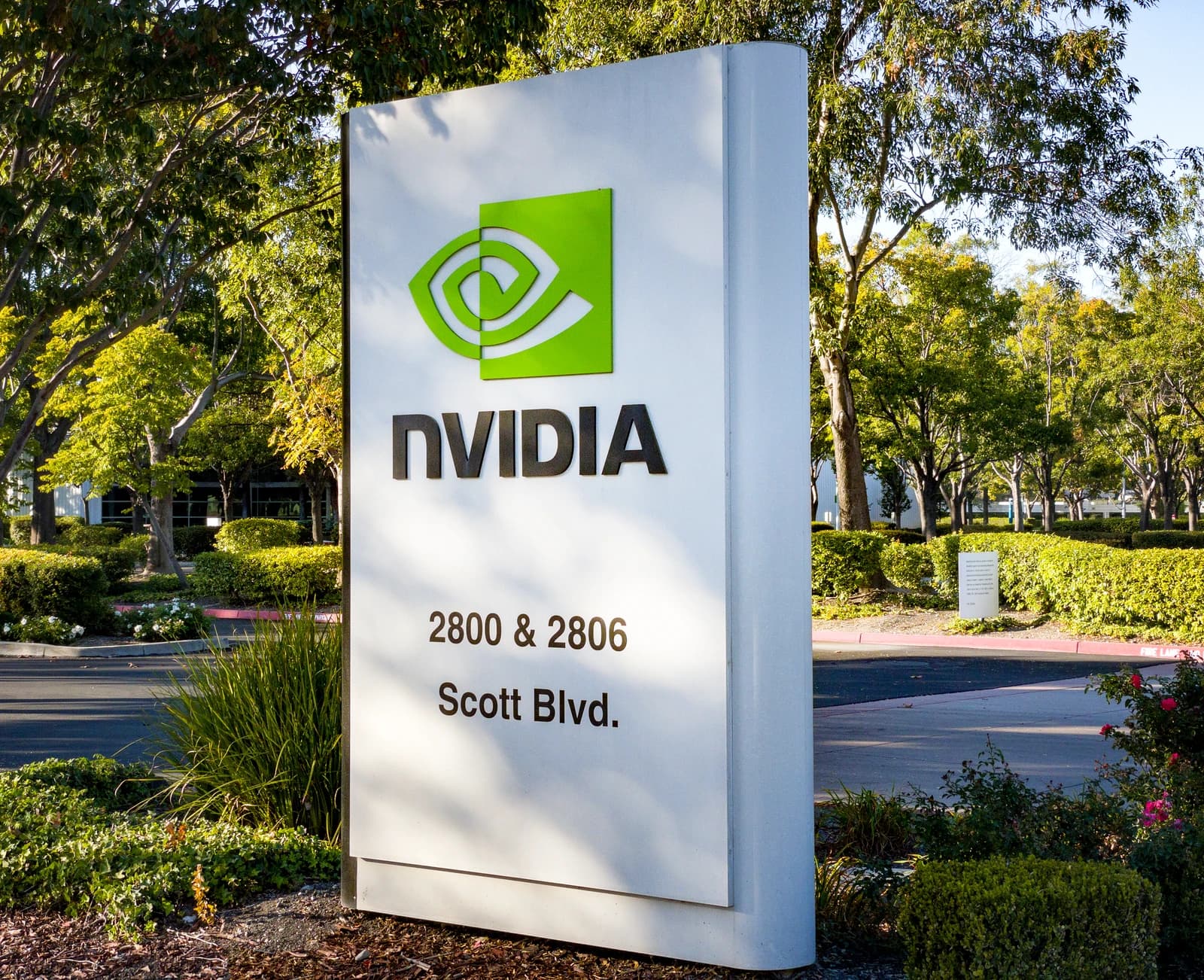
Micron Technology is getting an important read-through from Nvidia and SK Hynix: high-bandwidth memory pricing still looks firm enough to support another leg of the AI memory cycle, even as investors debate how long the boom can last.
That matters because memory prices have been the key variable behind Micron’s earnings power, and the latest signals suggest supply remains tight relative to demand from AI data centers. Micron has already told investors in recent filings that AI-driven data-center demand has been rising faster than the industry can expand supply, forcing allocation decisions that can affect customers and end markets. If Nvidia’s demand remains strong and SK Hynix continues to price aggressively, Micron’s HBM pricing and mix could stay favorable into coming quarters.
Micron’s shares have reflected that expectation. The stock closed at $1,042.93 on Sept. 21, up from $977.50 two sessions earlier and far above its 50-day moving average of $928.53, while the 200-day average sat at $644.04. The move has come with technically stretched conditions at points this year — the relative strength index briefly pushed deep into overbought territory during the summer rally — but the broader trend still points to strong investor conviction that AI memory demand is outweighing supply risk.
For Micron, the bull case is straightforward: HBM is the premium product in an industry where customers are willing to pay up to secure supply for Nvidia-based AI systems, and every price increase feeds through to revenue and margins faster than the more mature DRAM market. A stronger pricing backdrop also helps offset the volatility that has traditionally made memory a cyclical, low-multiple business.
The bear case is that the current strength could invite more capacity additions, more aggressive competition from SK Hynix and Samsung, and a faster normalization in pricing once supply catches up. That risk is why investors have been watching not only Micron’s own production ramp, but also Nvidia’s demand trajectory and the pricing behavior of its main HBM suppliers.
SK Hynix shares have also tracked the same theme, with the stock rising to 441.27 on Sept. 21 from 373.67 at the end of July, while Nvidia closed at 224.90, near the top of its recent trading range. The pair’s performance underscores how tightly linked the AI hardware supply chain has become: Nvidia drives the demand, HBM makers capture the pricing power, and Micron sits in the middle as investors try to judge how durable the cycle really is.
The next catalyst is whether that pricing strength shows up in guidance and gross margin commentary from memory suppliers. If it does, Micron could still have room to re-rate higher; if not, the market may have already priced in too much of the AI memory story.
| Entity | Gains | Losses |
|---|---|---|
| Micron | ▲Higher HBM pricing | ▼Demand-normalization risk |
| SK Hynix | ▲Premium memory margins | ▼Capacity expansion costs |
| Nvidia | ▲Better supply visibility | ▼Higher input costs |
| Short sellers | ▲Volatility opportunity | ▼Momentum squeeze |