Microsoft, Nvidia near $500 and $218 as AI copyright rules tighten
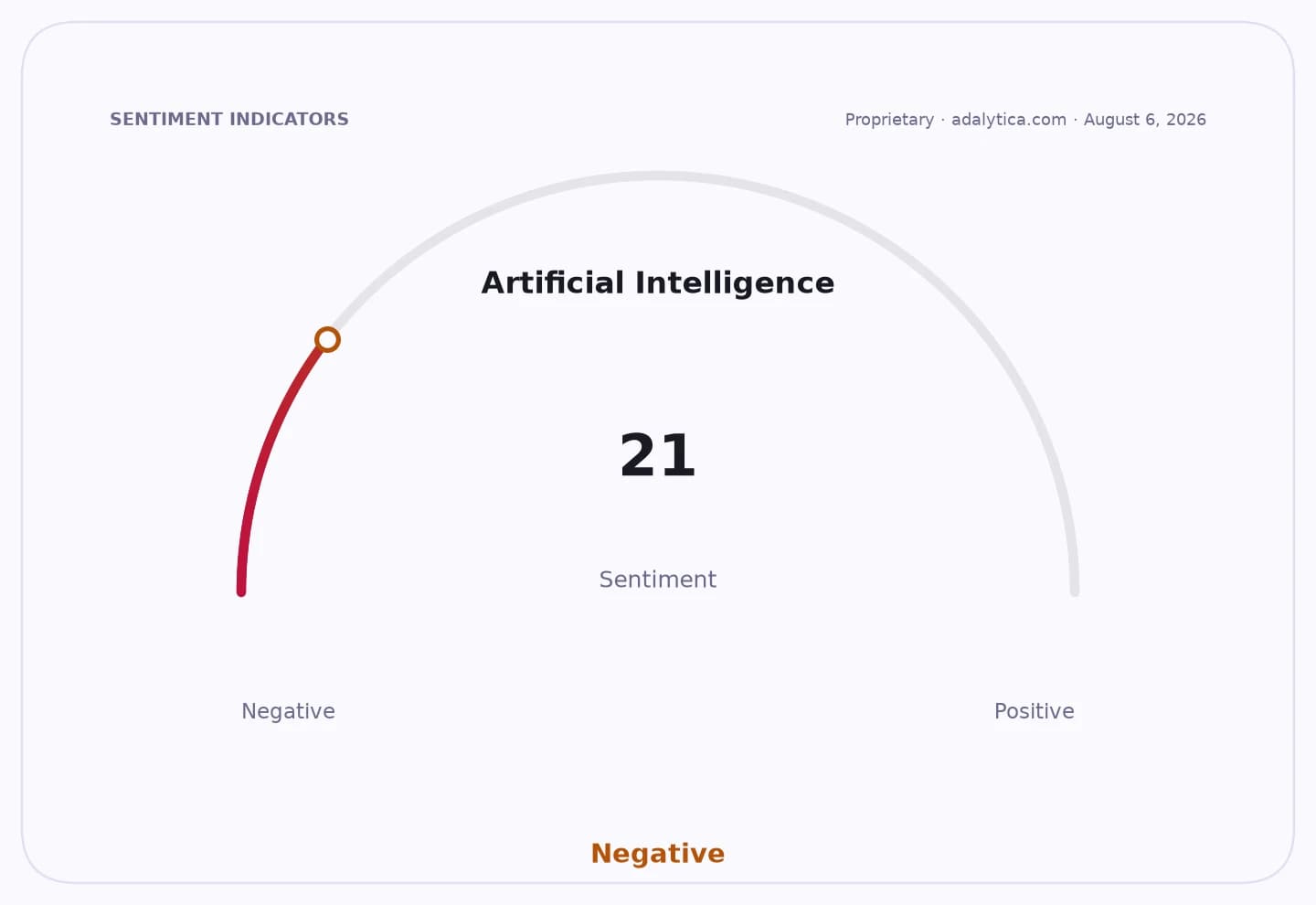
Rights to AI-generated works can arise only in cases where a human makes a meaningful creative contribution, a lawyer said, underscoring a legal boundary that could shape who owns the output of fast-growing generative tools and how companies monetize them.
That distinction matters because copyright is one of the main pillars supporting the commercial value of AI systems. If a work is created entirely by a machine, the legal protection investors and companies may expect is far weaker, leaving more output exposed to copying, disputes and licensing battles.
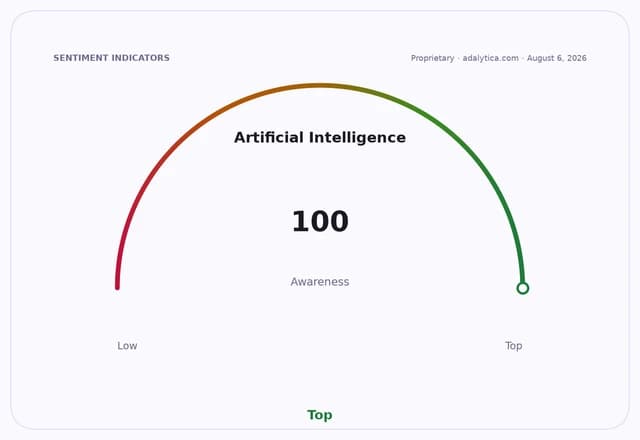
The issue has become more urgent as major tech groups such as Microsoft and Google expand their AI offerings while warning in filings that AI can trigger intellectual property claims, royalty payments and litigation. Microsoft says from time to time others claim it infringes IP rights, including copyright claims arising from AI training, inference and output, and that resolving such disputes may require royalty-bearing licensing deals.
For investors, that raises a margin question as much as a legal one. Licensing fees, settlement costs and product redesigns can weigh on returns from AI products just as companies are pouring billions into infrastructure and model development.
The market has already shown how sensitive sentiment is to the economics of AI. Microsoft shares have surged back near the $500 level, closing at $495.94 on Aug. 6 after a sharp rebound from a June low near $352.83, while Nvidia has climbed to $217.98, reflecting continued demand for the chips and software stack that power AI systems.
But the legal framework remains unsettled. If courts and regulators keep drawing a hard line between human-authored and machine-generated work, AI developers may need to redesign products, tighten disclosure practices and strike more licensing deals with publishers, artists and other rights holders.
That leaves a clear catalyst ahead: more court rulings, licensing agreements and regulatory guidance on who owns AI output, and how much of it can be protected.
| Entity | Gains | Losses |
|---|---|---|
| Human creators | ▲Stronger ownership claims | ▼Less certainty over AI-made output |
| Microsoft and Google | ▲Clearer legal rules if human input is required | ▼Higher copyright and licensing risk |
| AI model users | ▲More defensible content rights | ▼More compliance and attribution burdens |
| Rights holders | ▲More leverage in licensing talks | ▼Harder to police machine-generated copies |