Middle East Buyers Eye Canadian LNG Cargoes
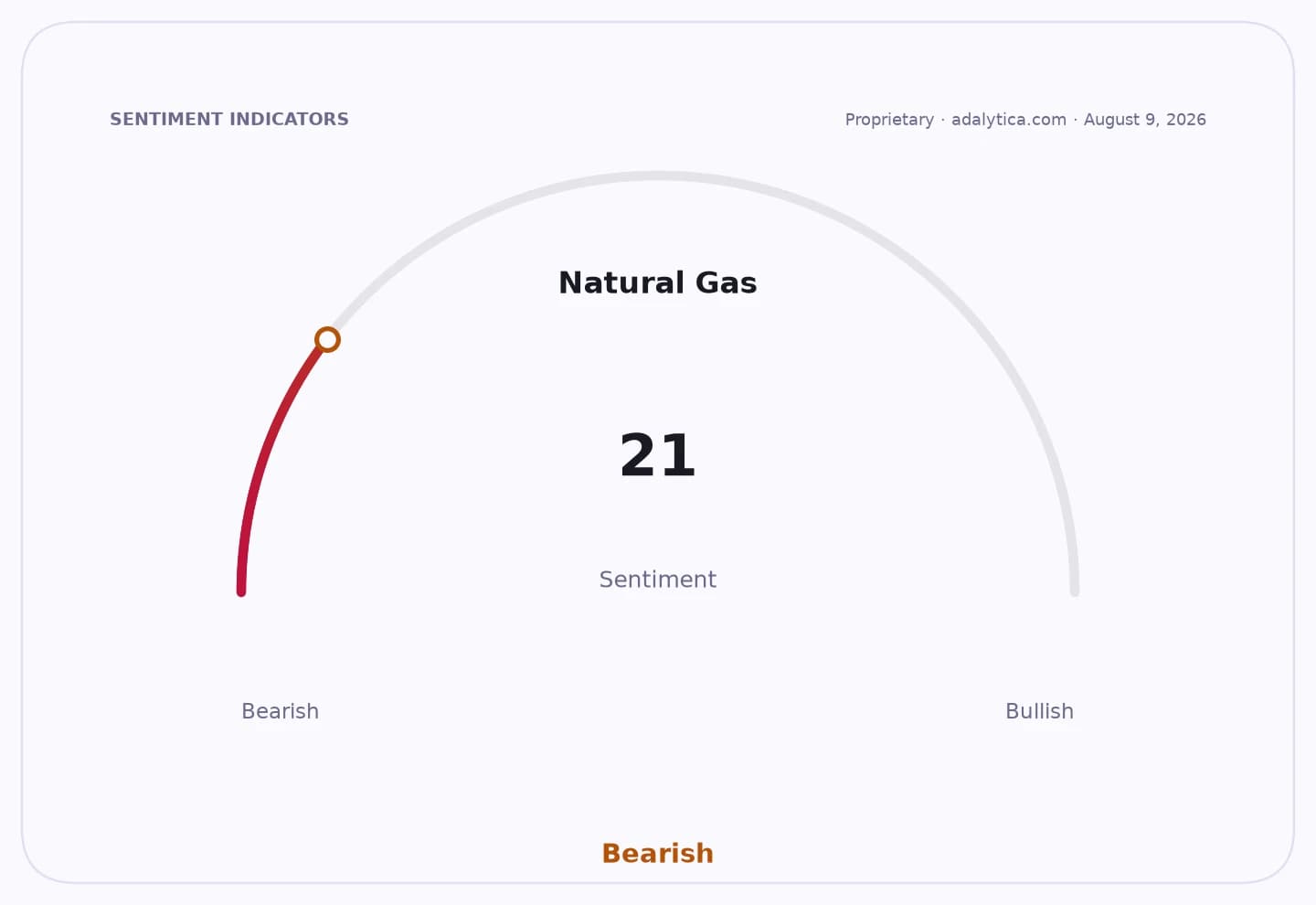
Middle East buyers are showing interest in LNG cargoes from Canada, a sign that the scramble for flexible non-Russian supply is broadening beyond the usual Asia and Europe routes and could reshape long-term contracting, shipping flows and pricing power across the global gas market.
For investors, the key point is not just that another geography wants cargoes. It is that LNG has become a strategic asset class in a world where geopolitics, not just seasonal demand, is driving procurement. When buyers in the Middle East are looking to source Canadian volumes, it underlines how supply security is overriding pure price optimization and how the next wave of LNG demand may be anchored by governments and utilities willing to pay up for reliability.
That matters because Canada is emerging as one of the few new supply sources with the scale, political stability and Atlantic-to-Pacific optionality to compete in a market already strained by conflict risk, sanctions and shipping disruption. The broader LNG backdrop remains tight enough that some buyers have already been forced back toward coal, while other regions are restarting terminals and locking in new supply agreements to avoid shortages. In that environment, any credible new export source gets immediate strategic value.
The market also keeps underestimating how quickly this can translate into capital flows. Canadian LNG projects, once viewed as slow-moving infrastructure bets, now sit inside a much larger investment theme: the buildout of energy logistics that benefits from persistent global insecurity. The winners are not just the operators selling cargoes. They are the pipeline companies, terminal developers, storage providers, midstream logistics firms and shipping owners positioned to earn toll-like returns as LNG trade becomes more fragmented and more regionalized.
That is why names tied to North American gas and global LNG exposure deserve close attention. Cheniere Energy remains the clearest pure-play U.S. LNG beneficiary, while integrated producers such as Exxon Mobil and ConocoPhillips retain leverage to a tighter gas market and stronger export economics. Any material acceleration in Canadian LNG commercialization would also be a direct positive for infrastructure and transport chains that can turn incremental cargo demand into recurring cash flow.
Technical action in the sector supports the same message. Exxon Mobil is holding above both its 50-day and 200-day moving averages, while ConocoPhillips has stabilized after a volatile year and is trading above both key trend markers. Cheniere, after a major run-up, remains well above its longer-term averages, showing that the market still rewards LNG cash-flow visibility even when broader commodity sentiment cools.
The broader narrative is simple: LNG is no longer just an industrial fuel market. It is an energy-security market. The Middle East’s interest in Canadian cargoes shows how far that shift has gone, and it strengthens the case for owning the companies that control the scarce molecules, the export bottlenecks and the infrastructure that moves gas across oceans. In a world of extreme geopolitical risk, that is where the asymmetry still sits.
| Entity | Gains | Losses |
|---|---|---|
| Canadian LNG exporters | ▲New demand pool | ▼Smaller pricing discounts |
| Middle East buyers | ▲Supply diversification | ▼Higher delivered costs |
| LNG infrastructure owners | ▲More project value | ▼Longer competition cycle |
| Coal exporters | ▲Short-term substitution demand | ▼Structural LNG competition |