Middle East Risk दब दब? Copper Weakens on Inflation Fears
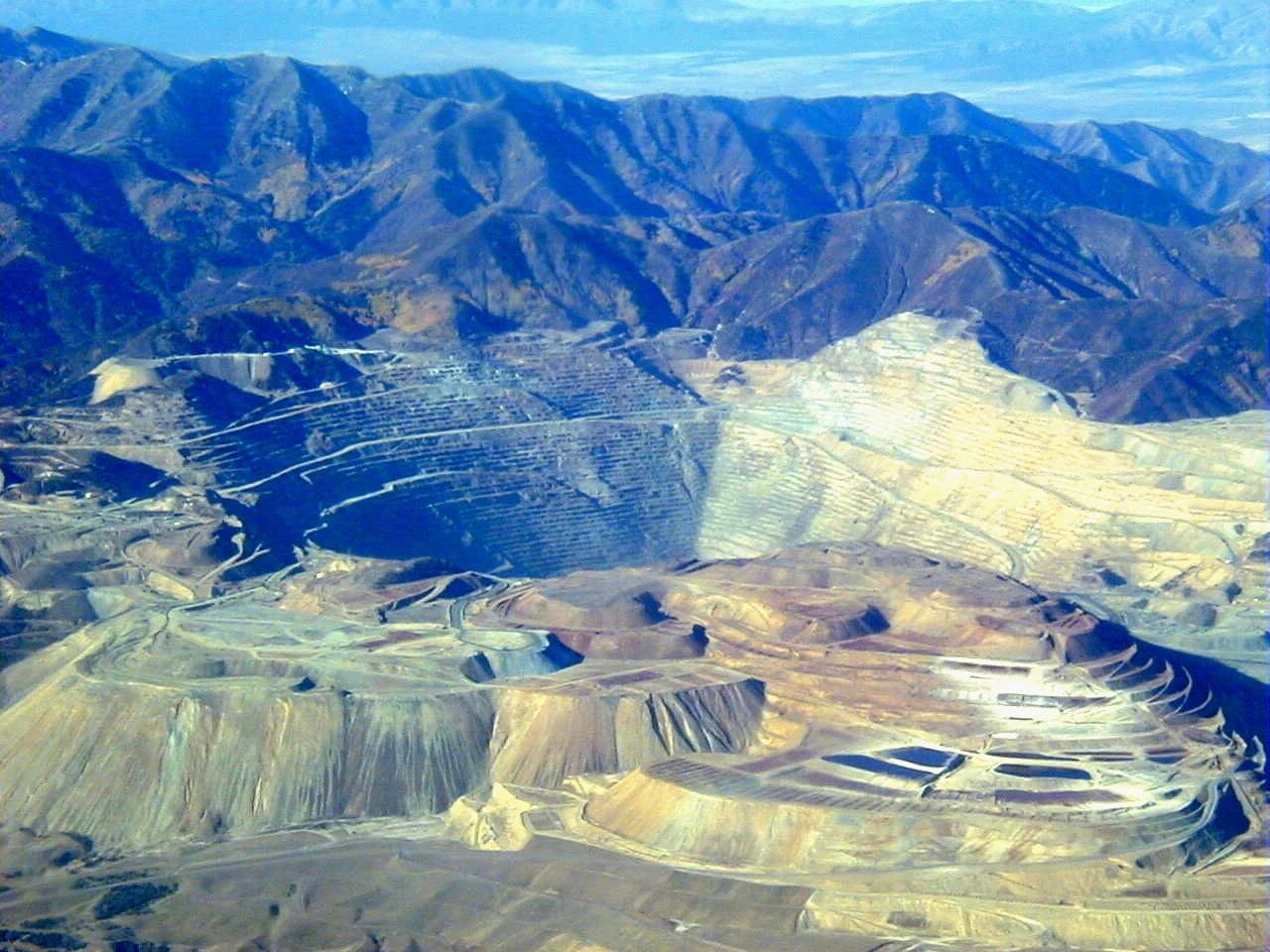
Copper fell as renewed conflict in the Middle East revived the market’s inflation problem: energy prices can jump, central banks can stay tighter for longer, and that combination is poison for industrial metals and the cyclical stocks tied to them.
That matters because copper is not just another commodity. It sits at the center of global manufacturing, construction and electrification, so when it weakens, it often says more about demand than the daily tape suggests. In this case, the decline appears to be driven by weak end-use demand and suppliers cutting prices to move inventory, even as the geopolitical backdrop injects fresh uncertainty into the cost outlook.
The move fits a broader pattern investors should care about. West Texas Intermediate crude has eased to about $68.69 a barrel in the latest forecast, but oil still remains the commodity most likely to transmit Middle East tensions into the inflation data. Consumer prices, meanwhile, are still running well above pre-pandemic norms, with the CPI index near 336 in the latest forecast. That is exactly the kind of backdrop that keeps policymakers cautious and leaves real rates elevated.
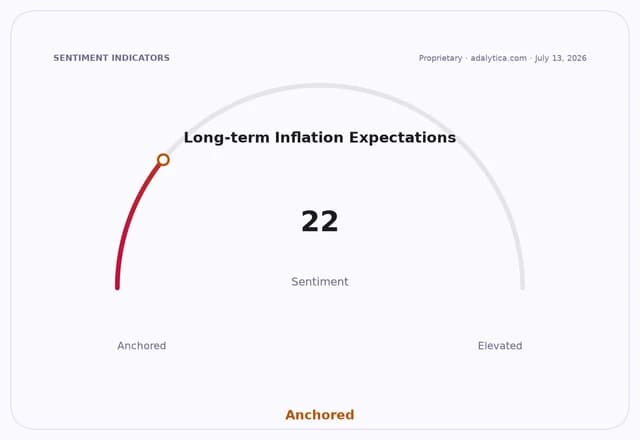
For investors, that mix is important because it can squeeze two sides of the market at once. Higher inflation fears tend to support havens such as gold, but they can also pressure the metals complex if they imply slower growth and tighter credit. The gold market’s own fear-and-greed snapshot remains elevated, while proprietary Adalytica gauges for long-term inflation expectations and confidence in the Fed’s 2% target are flashing fear, suggesting the market is still uneasy about whether inflation is truly beaten.
Copper miners are already feeling that uncertainty. The Global X Copper Miners ETF has dropped from recent highs, even after a powerful rally earlier this year, and the technical picture has weakened, with the fund trading below its 50-day moving average and its relative strength reading deeply oversold. The broader materials complex has also pulled back, reinforcing the idea that investors are leaning less on cyclical growth and more on caution.
Still, long-term investors should not confuse a demand-led pullback with the end of the copper story. The electrification trade, grid upgrades, data centers and the energy transition all point to structurally higher copper consumption over time. If geopolitical risk keeps inflation sticky, however, the path higher may be uneven, and the best gains will likely go to companies with balance-sheet strength, low-cost production and disciplined capital spending.
For now, the message is simple: Middle East risk has made inflation harder to ignore, and that is keeping copper under pressure. Investors with a multi-year horizon may want to treat the volatility as a reminder to stay diversified, stay patient and keep quality copper names on the watchlist rather than chase the commodity on headlines alone.
| Entity | Gains | Losses |
|---|---|---|
| Energy producers | ▲Higher crude risk premium | ▼— |
| Gold holders | ▲Safe-haven demand | ▼Cyclical growth fears |
| Copper miners | ▲— | ▼Softer prices, weaker demand |
| Consumers and central banks | ▲— | ▼Stickier inflation, tighter policy |