Minimum wage rises from 550 to 600 euros
The proposed rise in the minimum wage from 550 euros to 600 euros puts the gap between legal pay and the cost of living back at the center of the policy debate, with direct implications for household spending, business costs and inflation expectations.
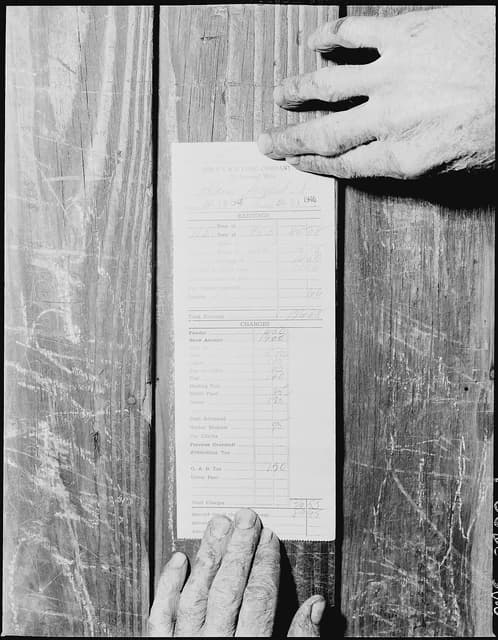
For workers at the bottom of the pay scale, the increase is modest but material. A 50-euro monthly lift, if implemented, would add 600 euros a year before taxes, a meaningful gain for day laborers and other low-income workers facing higher food, housing and transport costs. The government’s willingness to act also signals that the current minimum wage is no longer considered a stable floor, but a benchmark likely to move again as wage adequacy becomes a political issue.
That matters economically because minimum-wage policy is one of the few tools that can quickly feed through to consumption. Lower-income households typically spend a larger share of any wage increase, which can support demand in the near term. But it also raises costs for employers already operating on thin margins, especially in labor-intensive sectors such as retail, hospitality and outsourced services. If firms pass those costs on, the wage increase can add to consumer-price pressure at a time when inflation remains a live concern.
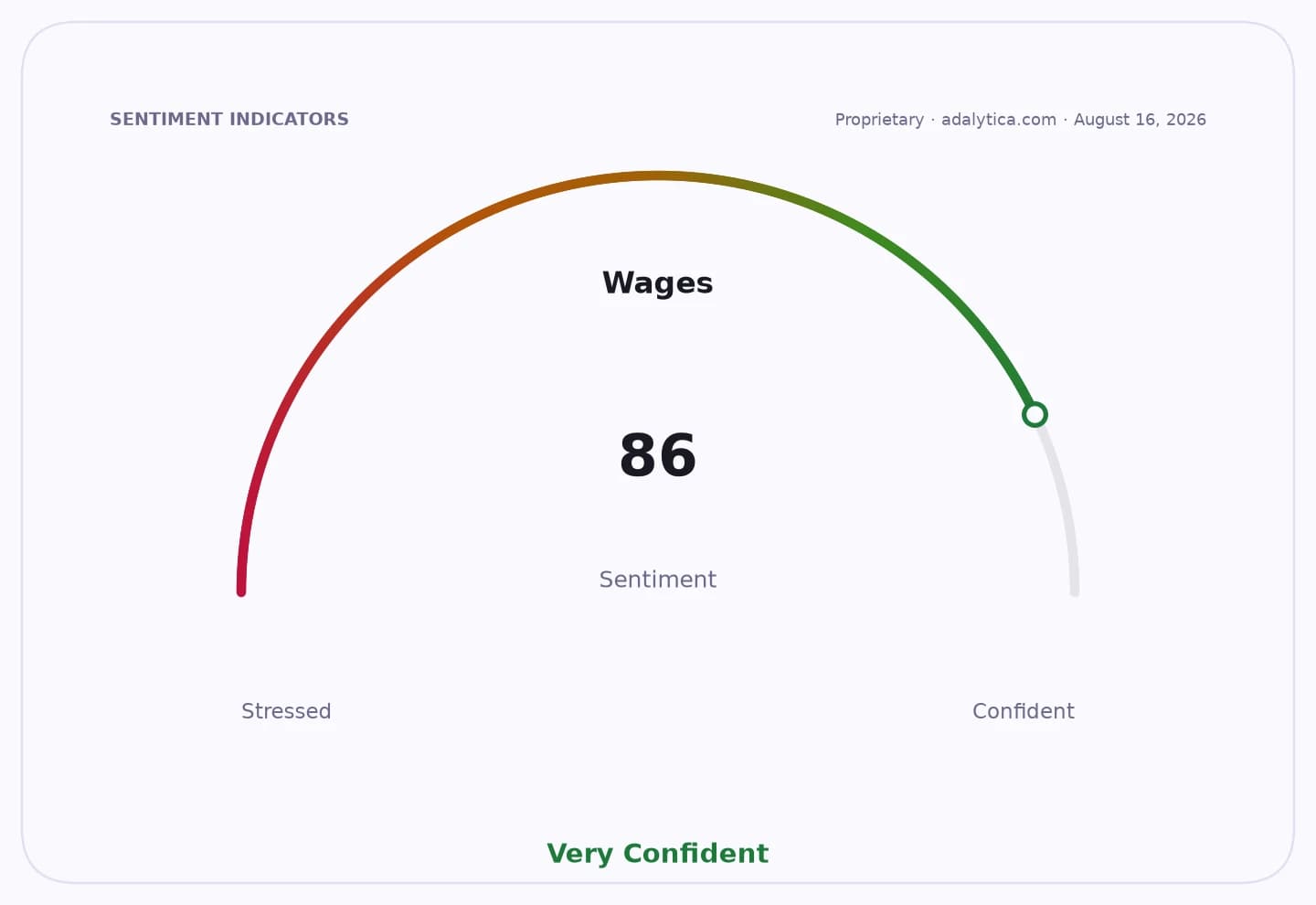
The macro backdrop makes the move more sensitive. The latest inflation data show consumer prices still running far above pre-pandemic levels, even if monthly changes have eased. At the same time, unemployment remains relatively low by historical standards, which gives workers some bargaining power but also means policymakers must balance labor support against the risk of reinforcing wage-price persistence. Adalytica’s Wage Inflation Sentiment gauge is currently in “Extreme Greed,” reflecting elevated market attention to pay pressures, while CPI sentiment remains high as investors continue to focus on inflation resilience.
For investors, the significance is less about the headline wage number than the broader policy direction. A government that is prepared to lift the floor on pay is likely to tolerate higher labor costs in the name of social equity, which can be positive for consumer-facing companies with pricing power and negative for businesses reliant on low-cost labor. It also raises the odds of follow-on wage negotiations across the labor market, particularly if workers benchmark against the new minimum.
The bull case is straightforward: higher pay supports consumption, narrows inequality and reduces stress in the weakest part of the labor market. The bear case is that a symbolic but recurring minimum-wage path can squeeze small employers, invite outsourcing, and make inflation stickier than policymakers want. What matters next is whether the 600-euro level becomes a one-off adjustment or the first step in a broader reset of wage standards.
| Entity | Gains | Losses |
|---|---|---|
| Low-wage workers | ▲Higher take-home pay | ▼Still trails living costs |
| Consumers | ▲Stronger household spending | ▼Higher prices if costs pass through |
| Employers in labor-intensive sectors | ▲Some demand support | ▼Higher payroll expenses |
| Policymakers | ▲Social equity gains | ▼Inflation and competitiveness risk |