Missouri Supreme Court blocks Republican redistricting map
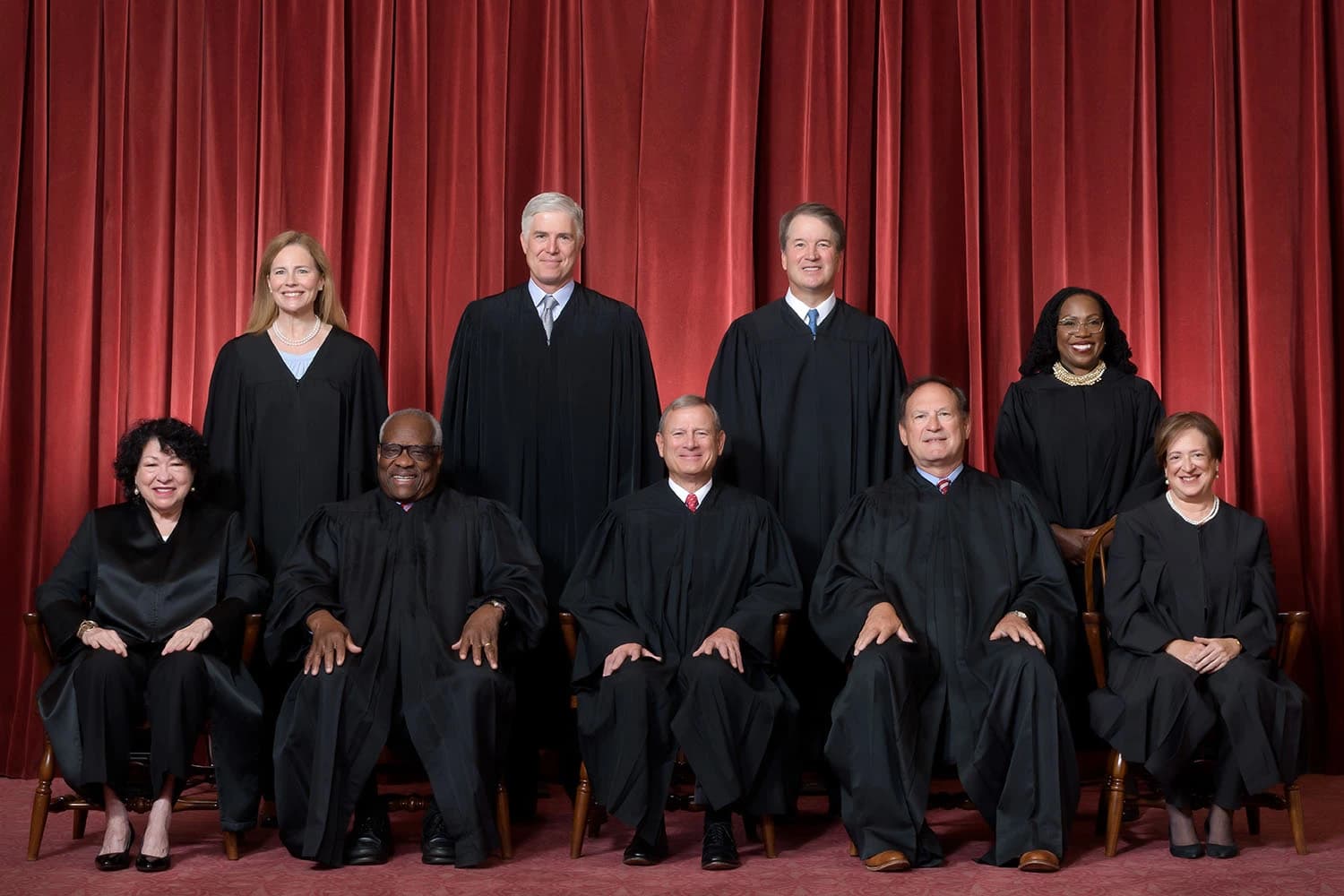
The US Supreme Court’s refusal to preserve Missouri’s new Republican-favored electoral map keeps a key House redistricting battle alive and underscores how partisan map-drawing is becoming a late-cycle political risk for both parties.
The ruling leaves in place a decision from Missouri’s top court that blocks the map unless it is submitted to a referendum, after a citizen petition drew more than 300,000 signatures. Economically, the immediate effect is limited, but politically it matters because control of House district lines can shape the balance of power in Washington, which in turn affects fiscal policy, regulation and the legislative odds for tax, energy, healthcare and antitrust proposals that move markets.
The dispute is not over. A federal judge later issued a temporary order preventing the use of the old districts and, for now, allowing the new map for November’s elections, arguing that changing boundaries after August primaries could confuse voters. That split in legal rulings creates uncertainty for campaigns and donors and raises the likelihood of more litigation across states where redistricting is being used as a strategic weapon ahead of the midterms.
The Missouri case also fits a broader national pattern. Donald Trump has pushed Republican-led states to redraw districts more aggressively, turning what is usually a technical state process into a direct contest over House control. For investors, the stakes are indirect but real: a narrower or more polarized congressional map can influence the probability of budget brinkmanship, shutdown risk and policy stasis, all of which can affect rates, Treasuries and sector positioning.
Market reaction is unlikely to be immediate, but the policy backdrop is not. SPY remains well above its 200-day moving average, reflecting a resilient broad equity trend, while TLT sits below its own 200-day line, indicating bond markets are still grappling with growth, inflation and fiscal uncertainty. In that setting, any development that sharpens the odds of a more divided Congress tends to support gridlock trades over legislative-reform bets.
For investors, the key question is less the Missouri map itself than whether this becomes a template for more seat protection fights before November. If courts continue to intervene, redistricting could remain a source of political volatility into next year’s federal policy agenda, with implications for rates, defense spending, healthcare, energy and the broader fiscal outlook.
| Entity | Gains | Losses |
|---|---|---|
| Missouri Republicans | ▲Better House odds | ▼Court setback |
| Democrats | ▲More legal leverage | ▼Potential map disadvantage |
| Investors in gridlock trades | ▲More policy stalemate | ▼Lower legislative clarity |
| Bond bears | ▲Fiscal uncertainty persists | ▼None immediately |