Mohegan Sun Deploys MBody AI Robotics
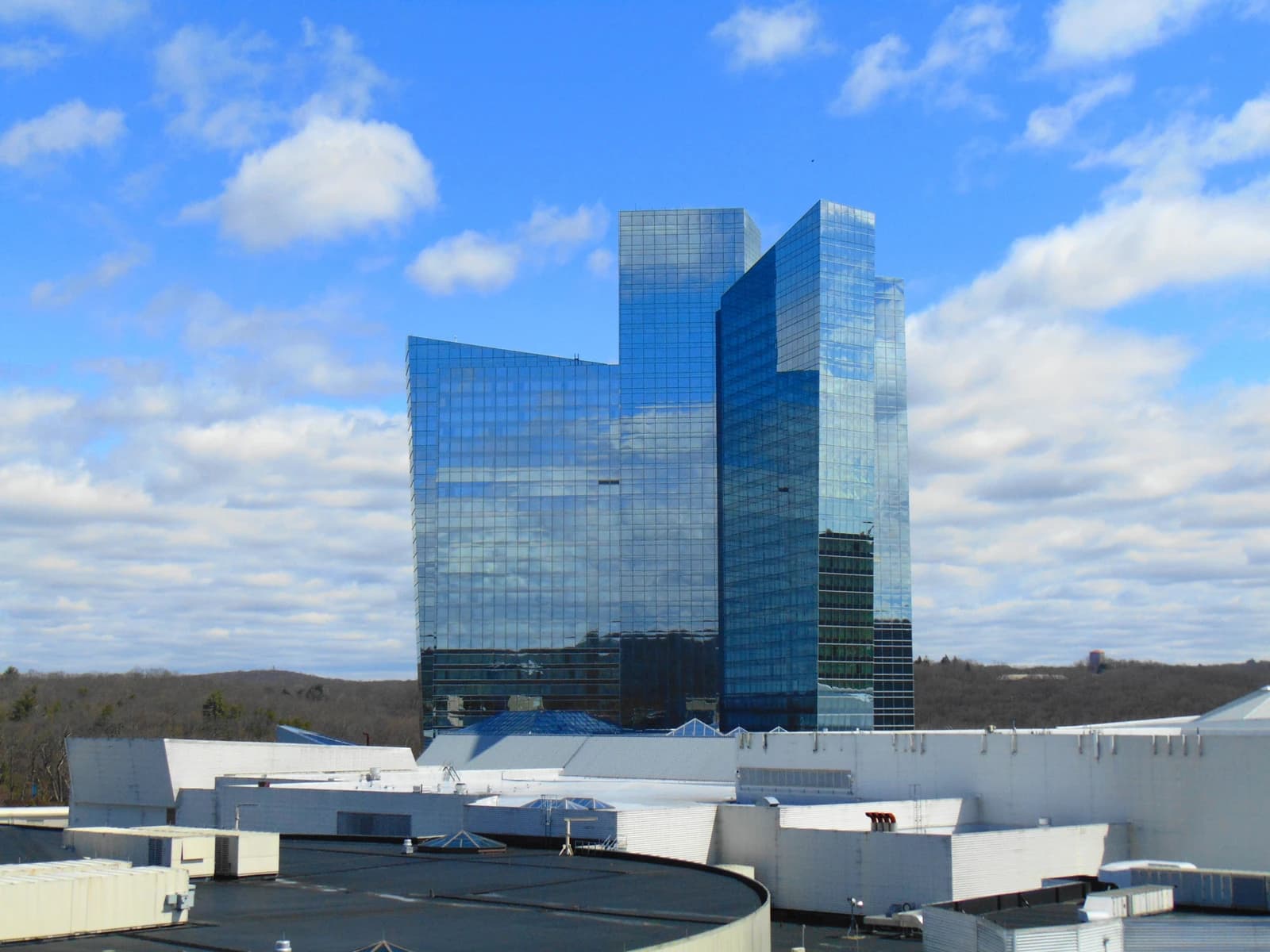
AI robotics deployment at Mohegan Sun is the kind of small operational move that can carry outsized economic meaning: hospitality groups are moving from talking about automation to putting it on the floor, where it can trim labor costs, smooth service bottlenecks and test whether robots can deliver a measurable return in a business built on thin margins.
For MBody AI, the rollout at the casino and resort complex is more than a brand-name client win. It is a proof point that hospitality is becoming one of the clearer early markets for physical AI, alongside hospitals and other service-intensive venues where staffing pressure, repetitive tasks and 24-hour operations create a case for automation. For operators, even modest savings in housekeeping support, logistics or guest-facing service can matter when wages, turnover and training costs remain sticky.
The backdrop is a sector under pressure to do more with less. Hotels, casinos and entertainment venues have been wrestling with labor shortages and elevated operating costs since the pandemic, and AI-enabled robotics is increasingly being pitched as a way to reduce dependence on hard-to-fill shifts while preserving service levels. That makes the Mohegan Sun deployment economically relevant beyond one property: it is part of a broader push by leisure and hospitality companies to convert automation from a novelty into a line-item efficiency tool.
Investors tend to care about these projects less for the headline and more for the repeatability. If MBody AI can show that the technology lowers operating expense or improves throughput without hurting the guest experience, it strengthens the case for wider adoption across casinos, hotels and venues with similar staffing profiles. That could support higher revenue visibility for robotics vendors and suppliers tied to deployment, integration and maintenance. If the rollout proves costly, unreliable or difficult to scale, it would reinforce skepticism that AI robotics can move from pilot programs to meaningful commercial penetration.
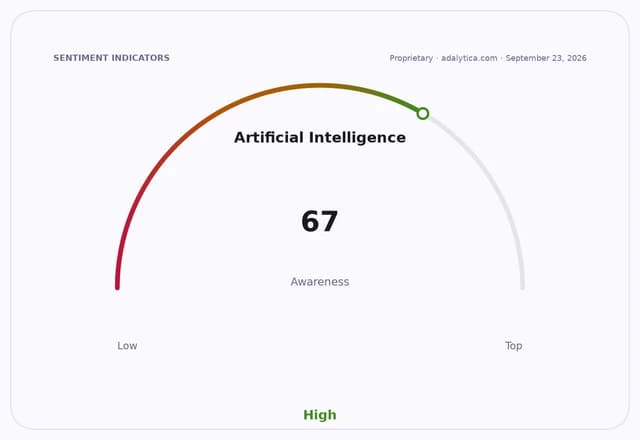
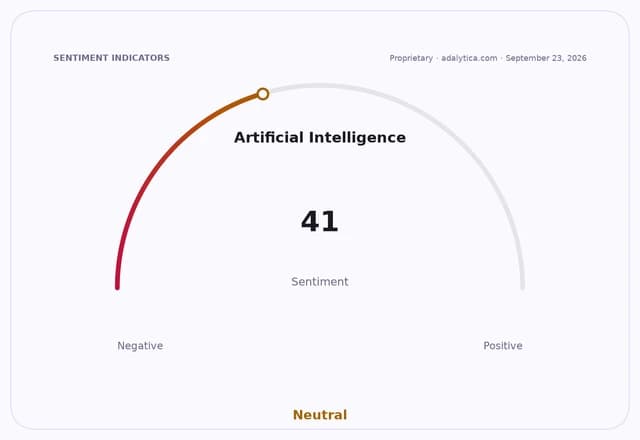
The market context also helps explain the attention. Interest in AI remains elevated, but sentiment around the theme has become more selective, favoring companies that can translate model hype into tangible workflows. Physical deployments carry more execution risk than software-only products, yet they also offer clearer monetization pathways. That is why a hospitality installation can matter to equity investors: it is evidence that demand for automation is reaching real operating environments, not just conference stages and product demos.
The key question now is whether Mohegan Sun becomes a reference account or just another trial. A successful deployment would help MBody AI argue that robotics can become a durable part of the hospitality labor mix. A weak one would keep the story in the experimental bucket and leave the economics of AI robotics dependent on broader cost declines and better reliability.
| Entity | Gains | Losses |
|---|---|---|
| MBody AI | ▲Reference customer | ▼Execution risk |
| Mohegan Sun | ▲Labor efficiency | ▼Upfront rollout cost |
| Hospitality operators | ▲Automation roadmap | ▼Traditional staffing model |
| Robotics peers | ▲Sector validation | ▼Slower adoption if pilot fails |