Moldova inflation rises to 7% in August
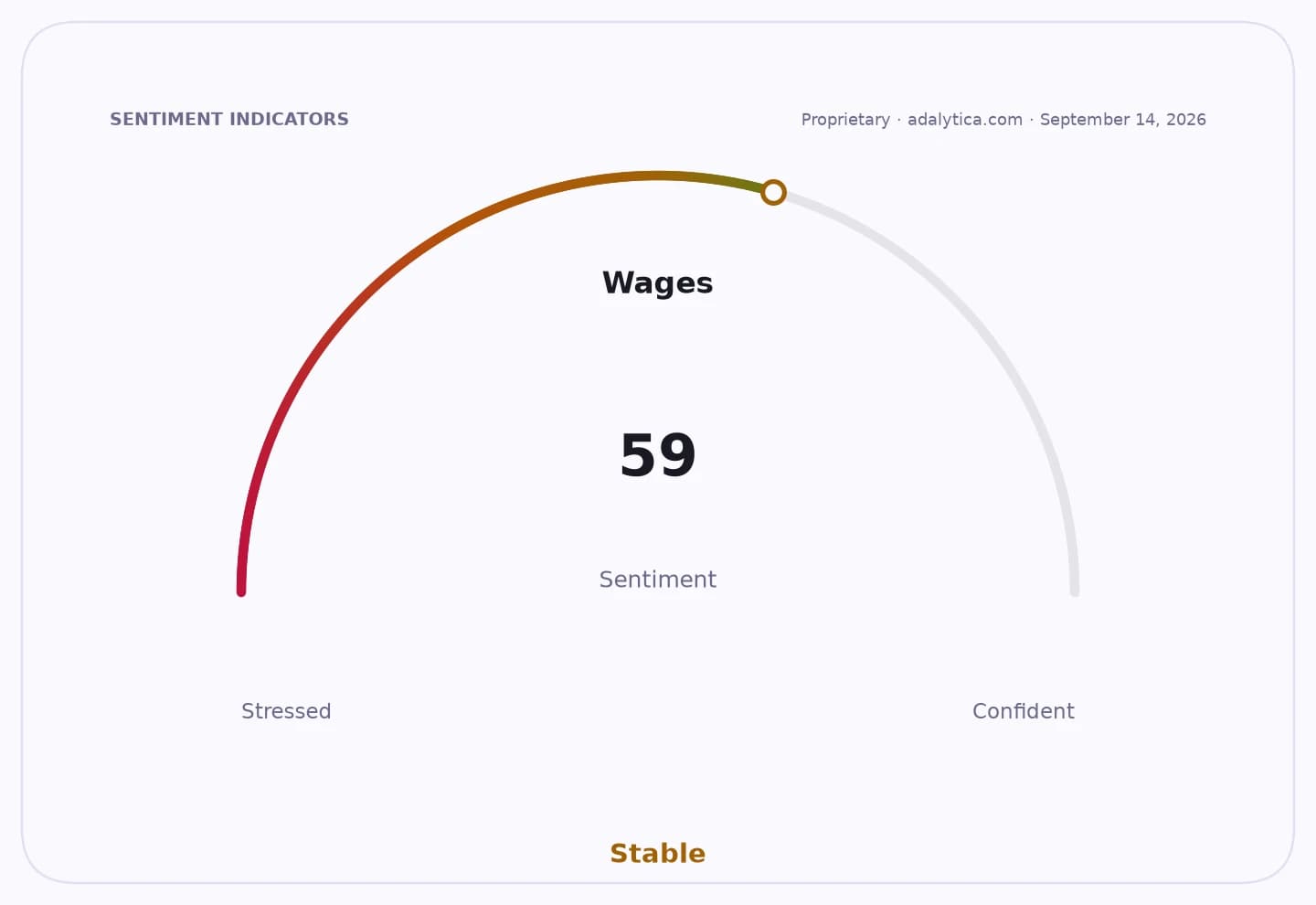
Inflation in Moldova has climbed to 7% in August, sharpening pressure on families already facing higher fuel and utility bills and forcing policymakers to keep monetary settings tight.
The jump matters because energy and transport costs feed quickly into a small, import-dependent economy like Moldova’s, raising the risk that price gains spread beyond the hardest-hit household essentials. For consumers, the squeeze is immediate: more expensive fuel raises commuting and delivery costs, while higher utilities cut into disposable income and leave less room for nonessential spending.
The backdrop is a weakening leu and a central bank that has had to lean against inflation with higher official rates. That combination tends to slow credit growth and investment, but officials have little room to ease while imported inflation and energy costs remain elevated.
The latest pressure also adds to the strain on a country that remains heavily reliant on external support as it pushes ahead with EU accession talks. Persistent inflation can complicate that path by eroding real wages, widening social pressure and making fiscal support more expensive.
For investors, the story is less about Moldova’s small domestic market and more about what it says on the margin: higher local rates, weaker consumer demand and greater policy uncertainty in a geopolitically exposed economy. The next read on prices and the leu will be key to whether August marks a peak or the start of another leg higher.
| Entity | Gains | Losses |
|---|---|---|
| Moldovan exporters | ▲Leu weakness boosts competitiveness | ▼Higher imported input costs |
| Households | ▲None | ▼Real incomes and budgets |
| National Bank of Moldova | ▲Inflation-fighting credibility | ▼Growth and credit demand |
| Utility and fuel sellers | ▲Higher nominal revenues | ▼Risk of demand destruction |