Moldova’s wartime logistics role grows with Ukraine
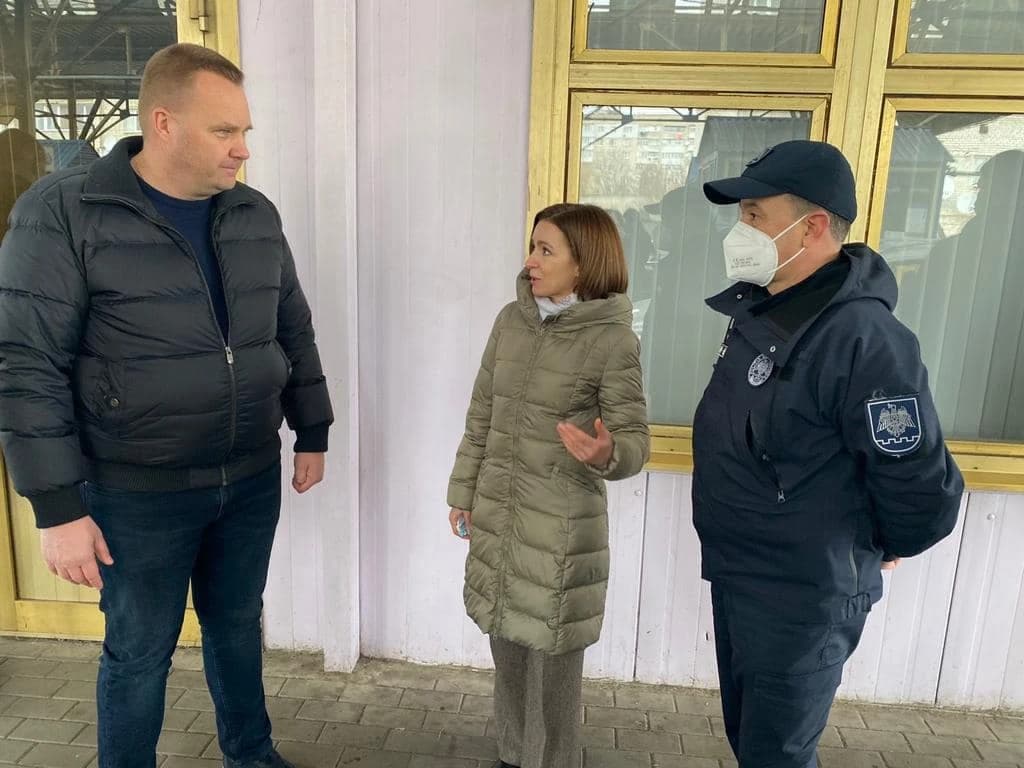
Moldova is emerging as one of the war’s most economically important small states, with Russia’s invasion of Ukraine turning the country from a fragile neighbor into a strategic transit corridor, energy link and security buffer for Europe.
That matters because the conflict has redrawn trade routes, accelerated infrastructure spending and made Moldova’s stability more valuable to Ukraine’s survival and Europe’s eastern flank. The country handled about 600,000 Ukrainian crossings in the early months of the war and temporarily hosted more than 100,000 refugees, a burden that also boosted its standing with Western partners and gave it a larger role in the region than its size would suggest.
The clearest economic shift has come through transport. The Palanca–Maiaki–Udobnoe border crossing evolved from an evacuation route into a logistics hub linking Ukraine with the EU, while Moldova’s roads and railways were adapted to absorb part of the cargo redirected after Russia blocked Ukrainian Black Sea ports. By spring 2024, the EU’s Solidarity Lanes had moved more than 136 million tons of Ukrainian exports and imports, and Moldova has been carving out a share of that flow.
That creates a real investment narrative. Moldova is not just a humanitarian waypoint; it is becoming part of the infrastructure that will underpin Ukraine’s wartime trade and eventual reconstruction. Chişinău’s 50% reduction in transit fees for Ukrainian grain in 2026 shows how quickly policy can be used to win traffic, while the reopening of the Basarabeasca–Berezino rail section and plans for the Cosăuți-Yampil bridge point to a longer-term effort to lock Moldova into regional supply chains.
Energy is the other big prize. Moldova and Ukraine synchronized their power systems with the continental European ENTSO-E grid in March 2022, reducing dependence on networks tied to Russia and Belarus. For investors, that kind of integration tends to create winners in grid upgrades, interconnectors, customs digitization and logistics assets — the toll roads and bottlenecks that become more valuable as commerce reroutes around conflict.
The geopolitical overlay is just as important. Moldova and Ukraine now share not only a border of more than 1,200 kilometers but a common security problem set: Russian missiles, hybrid pressure, disrupted trade and the Transnistria issue. That makes closer intelligence sharing, joint border controls and coordinated EU accession work more than diplomacy — it is risk management for the region’s investment climate.
The market underestimates how much Ukraine’s reconstruction could spill over into Moldova. Moldovan firms in construction, transport, agriculture and services are positioned to participate in rebuilding projects, while the country’s transport network could become a gateway for European capital and materials headed east. If that happens, Moldova’s prize is not just strategic relevance, but a durable logistics-and-energy franchise tied to the EU’s eastern expansion.
For investors, the takeaway is simple: the war has turned Moldova into a connective asset. The upside sits in infrastructure, rail, border services, energy interconnections and regional logistics — the sectors that benefit when Europe’s map is rewritten by conflict and then rebuilt by capital.
| Entity | Gains | Losses |
|---|---|---|
| Moldova | ▲Transit fees, strategic relevance | ▼Security risk, infrastructure strain |
| Ukraine | ▲Alternative export routes, EU access | ▼Black Sea port disruption |
| EU/Romania | ▲Deeper eastern connectivity | ▼Higher border and infrastructure costs |
| Russia | ▲None | ▼Influence, leverage over routes |