Monster Beverage, Coke, Pepsi battle for shelf space
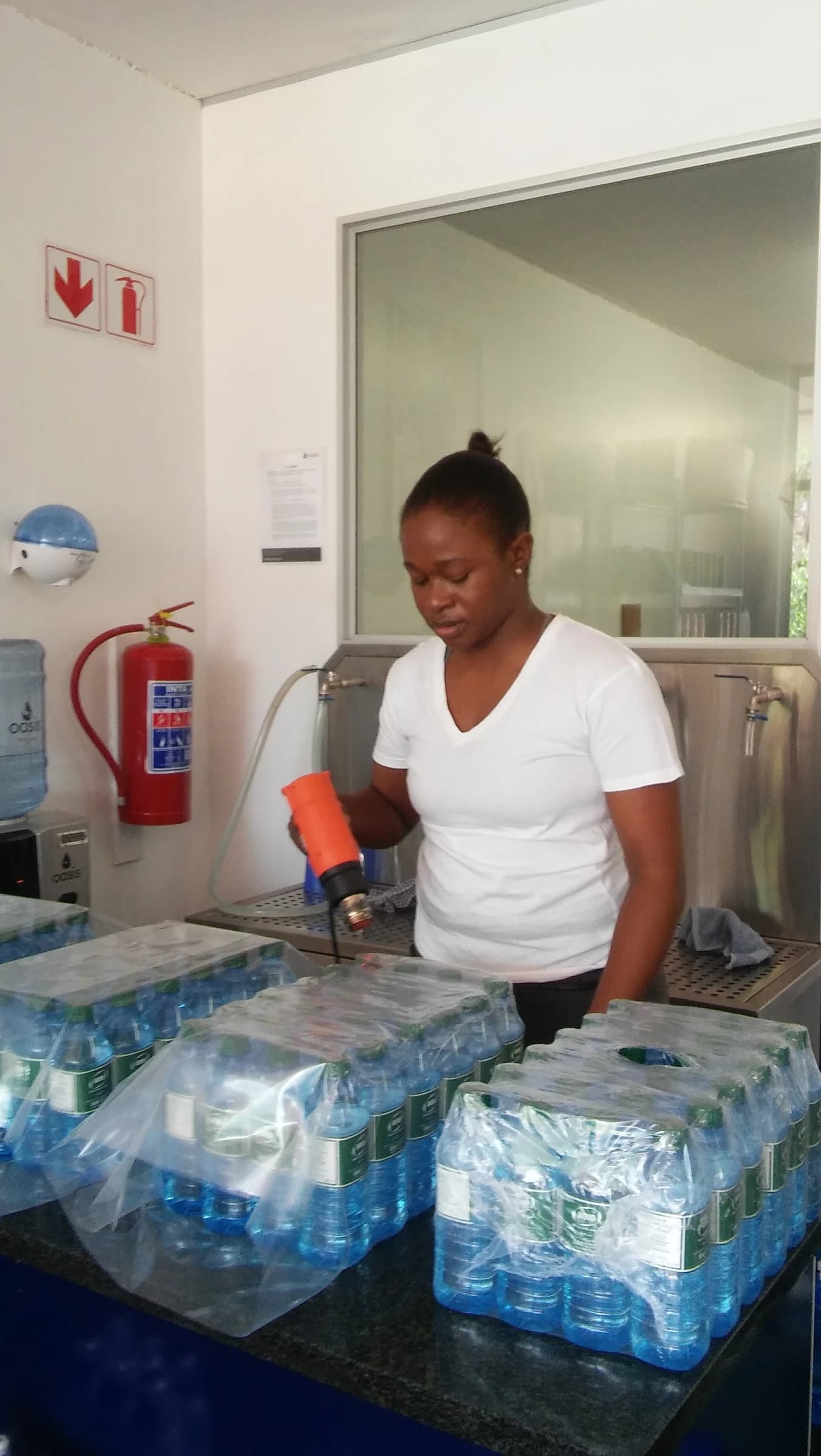
Monster Beverage, Coca-Cola and Pepsi are all trying to protect one of the most valuable assets in consumer goods right now: shelf space.
That matters because in drinks, growth is not just about advertising or brand power. It is about whether retailers keep giving you room in supermarkets, convenience stores and club channels as shoppers become more price-sensitive and stores increasingly push private-label alternatives. For long-term investors, the real story is that the beverage aisle is becoming a battleground between branded giants and retailers that want more control over margins.
Monster Beverage has been the strongest price performer of the three, with shares last trading at $94.22, up sharply from $66.31 in early November. Even after a recent pullback from a 2026 peak near $99.94, the stock still sits above both its 50-day and 200-day moving averages, a sign the longer-term trend remains intact. The recent weakness is showing up in momentum gauges too: the RSI has slipped to 34.8, while the MACD has cooled. That does not change the bigger picture, but it does suggest investors are no longer paying up quite as aggressively as they were in June and July.
Coca-Cola looks steadier and arguably more resilient. The stock closed at $86.82, well above its 50-day and 200-day moving averages, and its RSI at 55.9 points to a market that is healthy without being overheated. Pepsi is the laggard of the group, closing at $138.43 after a long run that has now faded below its 50-day moving average and well under its 200-day average. That relative underperformance reflects a business still working through retail disruption, a theme Pepsi itself has flagged in filings as buyers shift shelf strategy and private-label competition intensifies.
The global water shortage backdrop only adds to the stakes. Governments and communities are being forced to ration water, protect reservoirs and rethink access to basic beverages. In that environment, packaged drinks remain a necessity, but consumers will still trade down when budgets are tight. That makes scale, distribution and brand trust even more important. Companies that can keep their products in front of shoppers — and keep them there without surrendering too much margin — will be the winners.
For investors, this is why the beverage sector still deserves a place in a diversified, long-term portfolio. Coca-Cola offers the most balanced combination of brand strength and stability. Monster remains the growth name, but it now needs to prove it can keep compounding after a huge run. Pepsi has the turnaround appeal, but it must show that its food-and-beverage empire can defend shelf space in a more competitive retail world.
If you are investing for the next three to 10 years, the lesson is simple: the companies that control distribution and brand loyalty can keep compounding even when retailers get tougher. That makes this a sector worth watching, and for patient investors, the best names still look like hold-for-the-long-term candidates.
| Entity | Gains | Losses |
|---|---|---|
| Coca-Cola | ▲Stable shelf access | ▼Price-sensitive trading down |
| Monster Beverage | ▲Growth premium | ▼Recent momentum cools |
| Pepsi | ▲Broad brand scale | ▼Private-label pressure |
| Retailers/private labels | ▲Higher margin control | ▼Less room for branded drinks |