Montana Wheat Ridge Farm Gets Conservation Easement
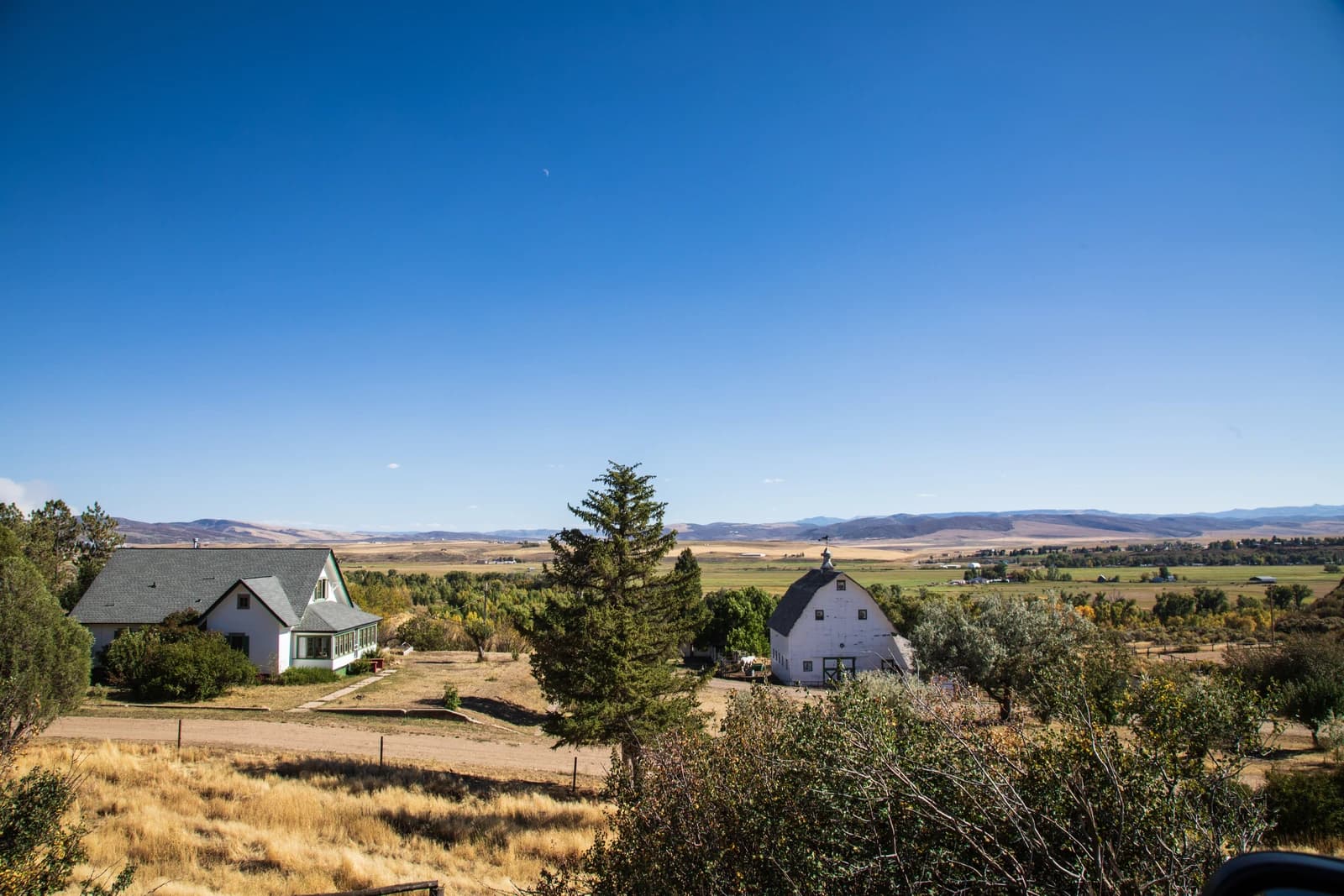
Wheat Ridge Farm is staying in agriculture for good, and that matters because one of the most valuable assets in the U.S. West is simply not being built over: productive land close to fast-growing communities.
The 308-acre farm west of Four Corners in Gallatin County, Montana, has been placed under a conservation easement held by the Gallatin Valley Land Trust, locking in its use for farming and open space. For investors, that is more than a feel-good land story. It is a reminder that scarce farmland can become harder to replace even as development pressure, water stress and suburban expansion keep pushing against the agricultural footprint.
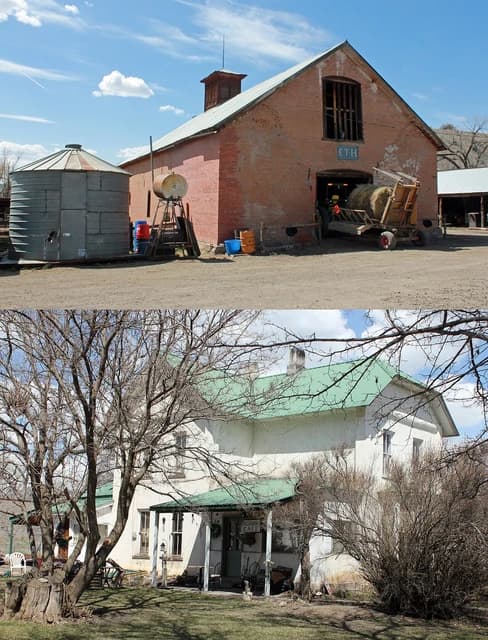
The Anderson family’s land has been farmed for more than a century, with wheat, barley, alfalfa and some rangeland for cattle remaining at the center of the operation. By donating a substantial share of the property’s value, the family helped secure permanent protection for the farm, with support from the Gallatin County Open Lands Program and matching federal funds from the Natural Resources Conservation Service.
That kind of public-private structure matters economically because it lowers the odds that high-quality farmland gets fragmented into lower-productivity residential or commercial use. In a region like Gallatin County, where nearby conservation easements already cover more than 12,000 acres, protecting a single parcel helps preserve a larger agricultural corridor. It also supports wildlife habitat and land connectivity, benefits that are increasingly important as climate and land-use pressures reshape the rural West.
For farmland investors, the takeaway is straightforward: supply is not standing still. Once land is protected by easement, the development optionality disappears, which can increase the long-term scarcity value of the remaining unprotected acreage nearby. That does not mean every acre will outperform, but it does reinforce why investors have treated farmland as a resilient real asset with inflation protection and low correlation to traditional markets.
The story also fits a broader trend that favors long-duration owners over short-term speculators. Families, land trusts and public programs are increasingly working together to keep productive acreage intact, while listed farmland owners such as Farmland Partners continue to benefit from an asset class where usable land is finite and demand for food production is durable. In other words, the investment case is less about quick price moves and more about compounding value over decades.
There are limits, of course. Conservation easements can reduce near-term monetization opportunities for owners, and farmland returns still depend on rents, crop economics, interest rates and regional water policy. But for long-term investors, the big picture is hard to miss: every acre permanently protected is one less acre available for conversion, and that scarcity supports the structural case for farmland as an asset class worth watching and, for patient investors, holding for the long term.
| Entity | Gains | Losses |
|---|---|---|
| Anderson family | ▲Preserved legacy | ▼Development upside |
| Gallatin Valley Land Trust | ▲Expanded protected acreage | ▼None material |
| Farmland investors | ▲Greater land scarcity | ▼Fewer buyout opportunities |
| Developers | ▲None material | ▼Loss of developable land |