Montenegro plans 1,400 euro minimum wage by 2027
Montenegro is aiming to lift its highest minimum wage to 1,400 euros a month from Jan. 1, 2027, a sweeping pay reform that could raise incomes for more than 250,000 workers but also tests how far a small Balkan economy can push wages without damaging hiring or public finances.
The government has approved a package of laws underpinning the so-called “Euro Model,” an overhaul promoted by Prime Minister Milojko Spajić that would split the minimum net wage into three tiers: 1,000 euros for jobs requiring basic education or less, 1,250 euros for secondary-education roles and 1,400 euros for positions needing higher education.
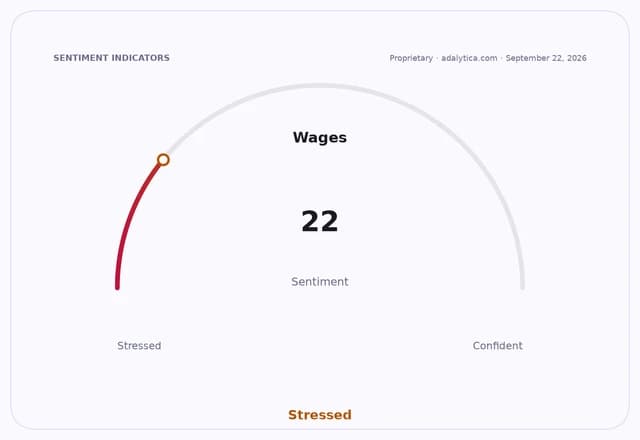
For investors and employers, the bigger issue is not the headline wage level alone but how Podgorica intends to fund it. The plan also cuts taxes and payroll contributions so a larger share of labor costs reaches workers’ net pay, meaning the reform is designed to shift the burden away from companies while still boosting take-home income.
Spajić cited an example in which an employee now receiving 1,600 euros net costs an employer about 1,980 euros. Under the new system, the government says the same labor cost could translate into 1,870 euros net, implying a major redistribution of wage costs toward workers and away from the state through lower labor levies.
The policy lands in a labor market already under strain. Fresh debate over minimum wages has come against a backdrop of firms pausing hiring and unions pressing for higher pay, while employers warn that earlier wage commitments have become harder to absorb and in some cases are already tied up in legal disputes.
The reform reaches beyond wages. Pensions would be indexed four times a year starting in 2027, with the government expecting the average pension to top 600 euros and the minimum to rise above 500 euros; pensioners are also slated to receive a one-off 100-euro payment in December 2026.
That makes the fiscal math central. The government says the package will be financed through stronger consumption and employment, a crackdown on the informal economy, spending restraint, diaspora returns and other tax measures, but it is also looking at higher property taxation on vacant homes and third houses as it tries to push more housing back into circulation.
The political message is just as important as the economics. Spajić is tying the wage push to European integration and efforts to slow emigration, arguing that higher pay and better pensions are meant to make staying in Montenegro more attractive than leaving.
For investors, the key questions now are whether the labor market can absorb a faster wage floor without forcing smaller businesses to cut staff or prices, and whether the state can offset the revenue hit from lower labor taxes. The next checkpoint is the implementation of the law package and the government’s detailed financing plan ahead of the 2027 rollout.
| Entity | Gains | Losses |
|---|---|---|
| Low-wage workers | ▲Higher take-home pay | ▼None immediately |
| Pensioners | ▲Higher indexed payouts | ▼Budget flexibility |
| Employers | ▲Lower payroll taxes | ▼Higher wage bills if pay rises outpace cuts |
| Montenegro government | ▲Political capital, domestic support | ▼Fiscal execution risk |