Montenegro draft law expands consumer repair rights
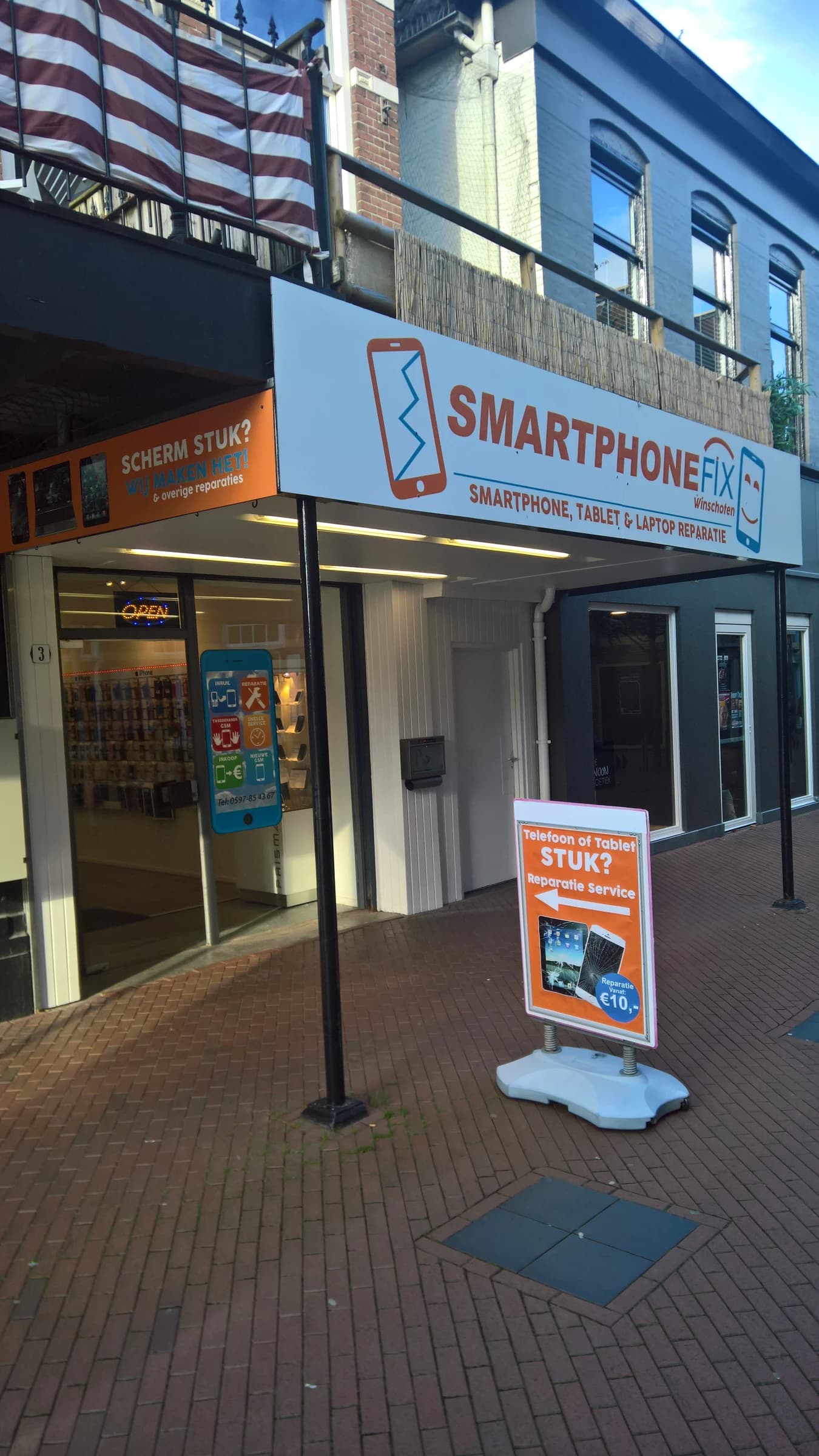
Montenegro is moving to give consumers a legal right to demand repairs for household appliances, mobile phones and other goods even after the standard two-year warranty period, a change that could lower replacement spending and force producers and sellers to build out a more repair-friendly market.
The draft consumer-protection amendments would require manufacturers to fix covered goods at reasonable cost and offer spare parts at fair prices, while also setting up a national section of the European Online Repair Platform so buyers can compare qualified repair providers in Montenegro. Officials say the move closes legal gaps in the current law and brings the country closer to EU consumer rules.

For households, the economic effect is straightforward: when a washing machine, phone or other durable item breaks after two years, the cheaper option will no longer default to buying new. That matters in an economy where consumer budgets are under pressure, and where repair can stretch the useful life of products and slow wasteful replacement spending.
The bill also targets practices tied to higher costs for consumers, including greenwashing claims and planned obsolescence. The ministry said current rules do not adequately stop misleading environmental marketing, software-driven shortening of product life or design tricks that make it harder to cancel digital services.
That is likely to matter for investors in consumer electronics, appliances and digital services because the proposal would push companies to disclose repair pricing, stock parts and adjust marketing, adding compliance costs but also opening up repair services, refurbished goods and independent technician networks. For manufacturers, it could mean lower unit sales over time but potentially better loyalty and service revenue.
The draft also modernizes rules for distance-sold financial services, requiring standardized pre-contract disclosures and a simple electronic cancellation function for online contracts. The ministry said the changes should reduce legal uncertainty in digital markets and make it easier for consumers to exit subscriptions and other remote agreements.
The government says the law should not require extra budget spending beyond setting up the repair platform, but businesses would face adaptation costs. The measure still has to go through public consultation and later implementation, with the platform expected by July 31, 2027.
| Entity | Gains | Losses |
|---|---|---|
| Consumers | ▲cheaper repairs | ▼pressure to buy new |
| Manufacturers | ▲repair-service revenue | ▼higher compliance costs |
| Independent repairers | ▲better market access | ▼opaque competition fades |
| Sellers of new goods | ▲stronger trust if compliant | ▼weaker replacement sales |