Mortgage lenders matter as rates stay near 7%
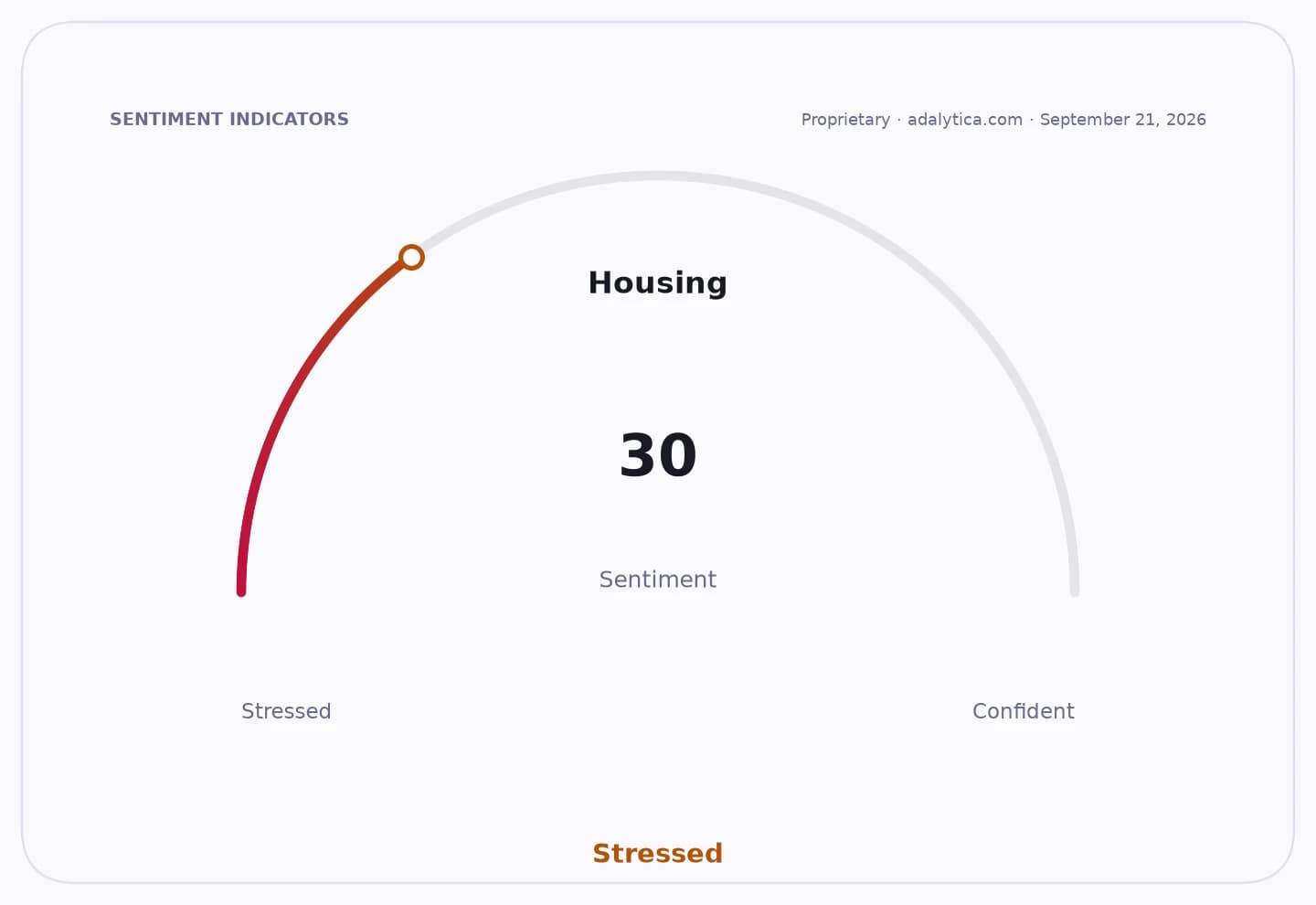
Choosing a mortgage lender has become a higher-stakes decision as borrowing costs hover near 7%, refinancing demand remains weak and the cost of a bad fit can now run into thousands of dollars in extra interest, fees or delayed closings.
That is why the Realtor-driven checklist — asking about loan programs, total rates and fees, closing speed and the lender’s relationship with your agent — is more than consumer advice. It reflects a housing market in which affordability is stretched, underwriting mistakes are expensive and borrowers need every basis point and every day they can get.

The macro backdrop is unforgiving. The average 30-year fixed mortgage rate stood at 6.95% on Sept. 17, according to the data context, after briefly touching 6.71% earlier this month and far above the 2.65% lows seen in 2021. The 10-year Treasury yield has also settled around 5%, reinforcing the pressure on mortgage pricing and keeping monthly payments elevated. That combination is filtering directly into housing activity: single-family housing starts were 1,275 in August, down from 1,439 in June and well below the 2021 rebound, a sign that affordability and financing costs are still suppressing demand.
For borrowers, the practical consequence is that lender selection can materially alter both the upfront and lifetime cost of a home purchase. Realtors in the story repeatedly stress that the lowest advertised rate may not be the cheapest loan once origination charges, application fees, discount points and closing costs are included. That distinction matters even more when buyers are already stretched by higher payments and tighter qualification standards. A small difference in rate can translate into hundreds of dollars a month and tens of thousands over the life of the loan.
The story also highlights an increasingly important segmentation in mortgage credit. Some lenders offer specialty programs for physicians, executives, first-time buyers or lower-income households, including no-down-payment options or down-payment assistance. In a market where mortgage credit is less forgiving, access to the right program can decide whether a borrower gets approved at all. That gives lenders with broader product shelves and stronger broker networks a competitive edge over players that mainly compete on headline rates.
Execution risk is another economic issue, not just a customer-service issue. Real estate agents say a slow underwriter or poor communication can derail a deal, trigger rate-lock extensions and raise moving costs. In a market with thin transaction volume and low affordability, the ability to close on time can be as valuable as shaving a few basis points off the rate. That is why brokers increasingly favor lenders who can perform under contract pressure, especially when sellers expect fast, clean closings.
The pressure shows up in mortgage-finance stocks as well. Rocket Companies and UWM Holdings have both seen sharp swings, with Rocket ending Sept. 21 at $12.52 and UWM at $1.25. Both remain well below their 200-day moving averages, underscoring how investors still view the mortgage origination business as highly exposed to rates, volume and margin compression. For lenders, a high-rate environment can support pricing power on some loans, but it also reduces origination volumes and increases competition for a smaller pool of qualified buyers.
There is also a broader policy and regional angle. The news context points to rising mortgage stress in Ontario and British Columbia, where first-time buyers are increasingly relying on joint mortgages. That pattern mirrors a wider affordability strain seen in the U.S. and suggests that households are leaning harder on shared borrowing structures to stay in the market. If delinquencies begin to rise from today’s relatively stable levels, lender quality, underwriting discipline and borrower counseling will matter even more.
For investors, the takeaway is that mortgage origination remains a volume-and-spread business in a rate regime that is still punishing for housing turnover. Lenders that can win borrowers with niche programs, close efficiently and avoid fee blowback should outperform peers that rely on generic rate advertising. Those that cannot may face lower conversion, weaker customer acquisition economics and more volatility if rates stay elevated into the autumn selling season.
| Entity | Gains | Losses |
|---|---|---|
| Borrowers who shop multiple lenders | ▲Lower total mortgage cost | ▼Overpaying on fees or rate |
| Efficient lenders with niche programs | ▲Higher conversion and share | ▼Rate-only competitors |
| Realtors and brokers with trusted lender networks | ▲Smoother closings | ▼Deal delays and fallout |
| Mortgage originators tied to housing volume | ▲Better pricing discipline | ▼Slower purchase activity |