Mortgage Rates Near 7% Pressure Homebuilders
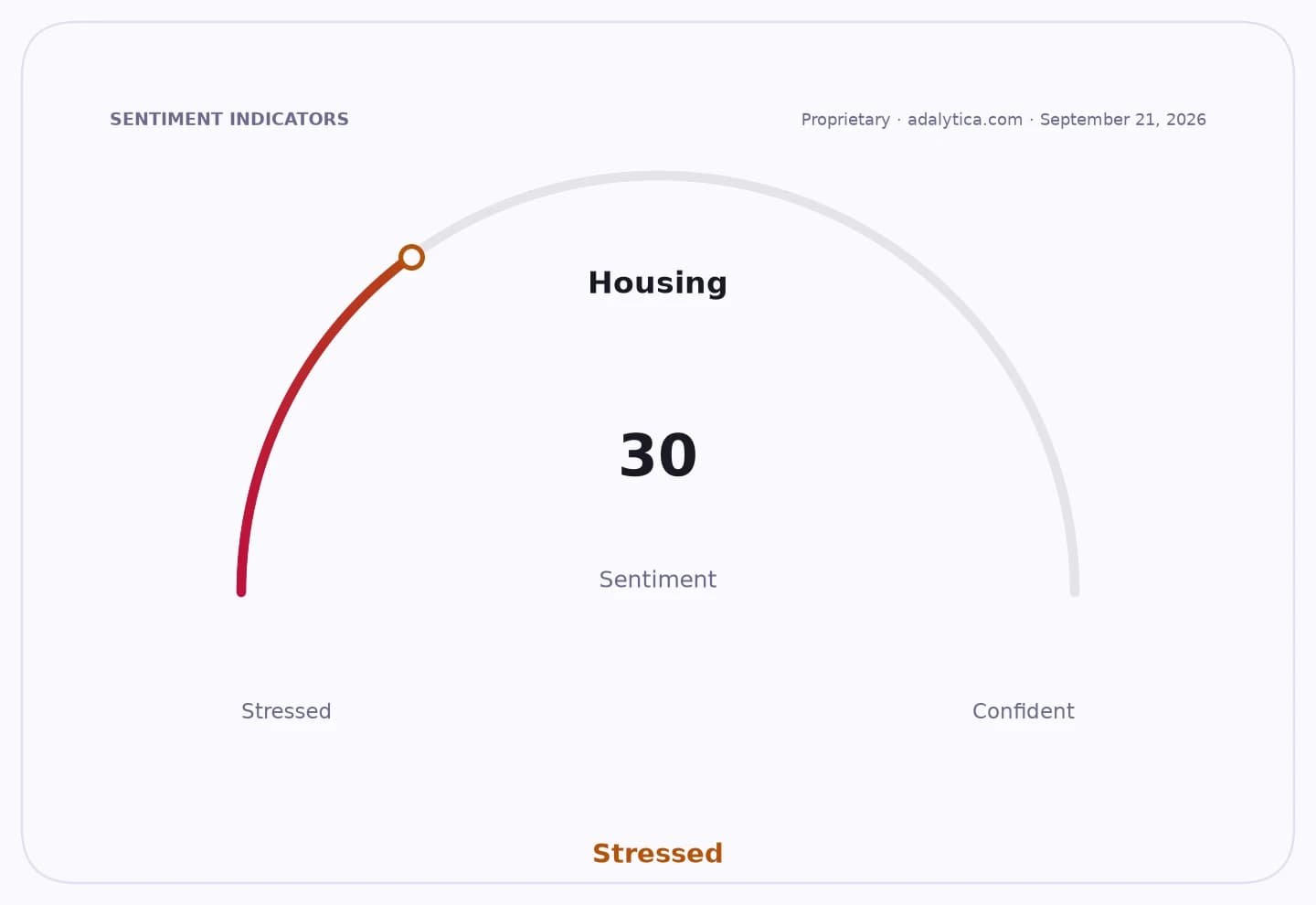
Mortgage costs are climbing back toward 7%, and that makes the decision to borrow for a new home much more consequential for families, builders and investors alike.
For would-be homeowners, the math has turned sharper. A mortgage rate near 7% can add hundreds of dollars to a monthly payment compared with the ultra-low borrowing costs of a few years ago, which means the same house now requires far more income to carry. That matters because housing is the biggest monthly expense for most households, and when financing gets expensive, demand usually cools.

The bond market is sending the same message. The 10-year U.S. Treasury yield is hovering around 5%, a level that keeps pressure on fixed mortgage rates and makes it harder for housing affordability to improve quickly. In plain English: even if home prices stop rising for a while, higher borrowing costs can still keep many buyers on the sidelines.
That helps explain why housing-sensitive exchange-traded funds have been under pressure. ITB, the homebuilders ETF, has fallen to $88.20 from the high-90s area in mid-August, while XHB, the broader homebuilders fund, is down to $96.96 from more than $108 around the same period. Both now sit below their 50-day and 200-day moving averages, a conventional technical sign that investor sentiment toward the housing trade has weakened.

And yet, this is not just a cautionary tale. For long-term investors, higher rates can create a better buying opportunity in housing-related names if they believe the U.S. still faces a structural shortage of homes. Housing starts are forecast around 1.28 million in September, little changed from August, but that pace remains well below the levels needed to fully repair years of underbuilding. In other words, demand may be soft in the short run, but the supply gap has not gone away.
That’s where the narrative gets interesting for investors. A weak housing market does not automatically mean weak housing stocks forever. Builders with strong balance sheets, land discipline and pricing power can still compound over time if the cycle eventually turns. But timing matters, and buyers who rush in too early can end up waiting years for the payoff.
The same logic applies to the personal finance question in the seed headline. If you are deciding whether to take a mortgage or save to build, today’s rate environment rewards patience, larger down payments and realistic budgets. Saving more before you borrow can reduce the monthly strain, improve your negotiating position and lower the risk of being forced into a sale later if rates stay high.
For investors, the takeaway is simple: elevated mortgage rates are a headwind for housing demand, but they may also be laying the groundwork for stronger long-term returns in the best-run builders and housing-related funds once borrowing costs eventually normalize. Until then, this is a sector to watch carefully, not chase.
| Entity | Gains | Losses |
|---|---|---|
| Savers | ▲Higher returns on cash | ▼Slower path to ownership |
| Borrowers | ▲Flexibility to wait and save more | ▼Higher monthly mortgage payments |
| Homebuilders | ▲Future demand if supply stays tight | ▼Near-term sales pressure |
| ITB/XHB investors | ▲Possible long-term rebound setup | ▼Weak price momentum now |