Mortgage rates keep pressure on housing activity
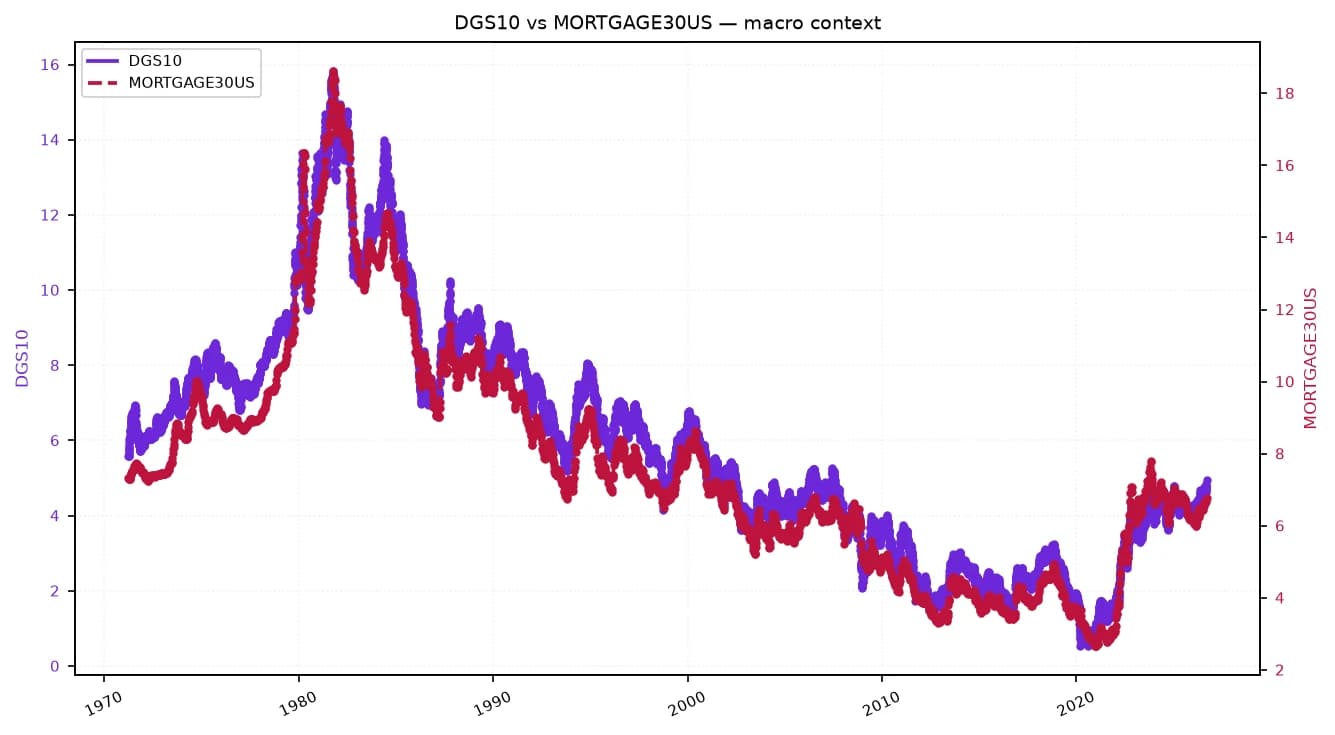
Borrowing for a home is still expensive, and that matters more than any single tip from a real estate agent: the 30-year mortgage rate was 6.76% in the latest reading, while the 10-year Treasury yield sat near 4.95%, keeping housing affordability under pressure and forcing buyers to be smarter about every lender quote they get.
That is the real investment lesson behind advice from Realtors and mortgage professionals. When rates are this elevated, small differences in fees, points and loan terms can mean thousands of dollars over the life of a mortgage. For buyers, the priority is no longer just finding a house. It is choosing the right financing structure, shopping multiple lenders and understanding whether a lower upfront payment comes with a higher long-term cost.
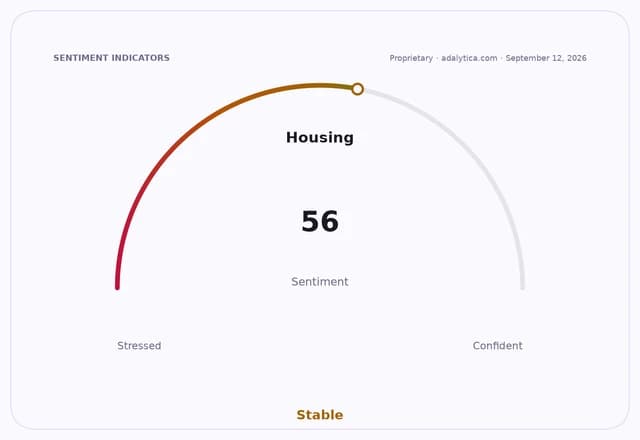
The macro backdrop explains why this advice is resonating now. Housing starts have been volatile and remain well below the pace needed for a more balanced market, with the latest forecast pointing to about 1,185 units in August after a weak July reading. That is not just a construction story. It is a sign that high borrowing costs are still slowing turnover across the housing market, limiting transactions and keeping pressure on related businesses from brokers to title insurers to mortgage originators.
For investors, the message is that mortgage rates remain the gatekeeper for housing activity. Lower rates would quickly lift refinancing demand and home sales, but until that happens, lenders and housing platforms are fighting for a smaller pool of buyers who are highly price-sensitive. That tends to reward firms with low-cost distribution, strong brand recognition and enough scale to squeeze more economics out of each loan.
Rocket Companies is a good example. The stock has been volatile, but its recent trading shows how tightly sentiment remains tied to rate expectations. Shares closed at $13.18 on the latest data, below the 50-day moving average of $13.99 and the 200-day average of $16.09, a sign that investors still want clearer evidence of a housing rebound before paying up. Wells Fargo, meanwhile, has held up better, with the stock at $90.29 and above both its 50-day and 200-day moving averages, reflecting the market’s preference for diversified lenders with stronger balance sheets and broader revenue streams.
The deeper story is that the mortgage market is still normalizing after a historic reset in rates. A 30-year loan near 6.8% is far below the peaks of the early 1980s, but it is high enough by recent standards to change buyer behavior. That means the best advice for home shoppers is also the best advice for long-term investors: don’t assume the first quote is the best quote, and don’t chase a housing recovery before the fundamentals improve.
If rates ease, housing activity and mortgage volumes should recover. If they do not, the winners will be lenders and platforms that can win business through efficiency, not just through a low headline rate. For investors, that makes housing-finance names worth watching, but patience and diversification still matter more than timing the next move in mortgage rates.
| Entity | Gains | Losses |
|---|---|---|
| Homebuyers | ▲Better lender pricing | ▼Higher monthly payments |
| Mortgage lenders with scale | ▲More rate-shopping volume | ▼Margin pressure |
| Rocket Companies (RKT) | ▲Refinance upside if rates fall | ▼Weak volume in high-rate market |
| Wells Fargo (WFC) | ▲Diversified mortgage and banking income | ▼Slower housing turnover |