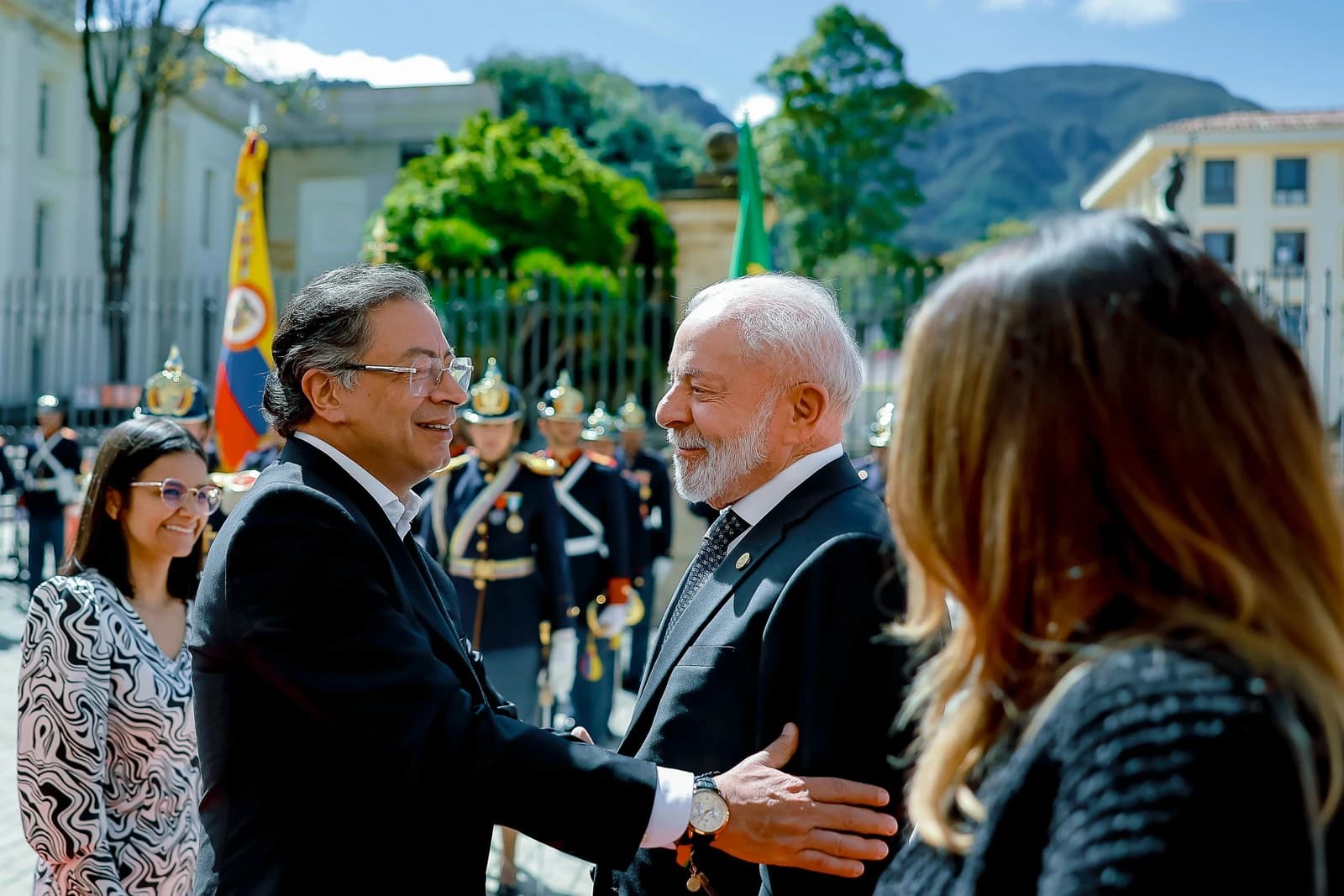
Mozambique and Brazil signed nine cooperation agreements in Maputo as the two countries moved to turn a symbolic political visit into a broader economic partnership with implications for trade, public services and investment flows.
Mozambique and Brazil sign nine cooperation agreements
The agreements, concluded during Brazilian President Luiz Inacio Lula da Silva’s working visit, cover development, health, education, diplomacy, entrepreneurship, trade promotion, civil aviation, legal assistance and agroforestry services. A separate protocol of intentions aims to support integrated development programs in Mozambique, underscoring a push to strengthen state capacity in priority sectors.
For Mozambique, the pact set is most important as a low-cost way to tap Brazilian expertise and institutions in areas where domestic capacity is constrained. That matters economically because improvements in health, education, aviation oversight and agricultural services can raise productivity, support exports and reduce bottlenecks that have held back private-sector growth. The inclusion of trade promotion and entrepreneurship also suggests the two governments want the relationship to extend beyond aid-style cooperation into business links.
Brazil, for its part, is widening its footprint in Africa at a time when emerging markets are competing for partnerships tied to food security, logistics and diplomatic influence. That can matter to investors by opening channels for Brazilian firms and state-linked institutions in sectors such as agriculture, aviation and services, while giving Brasília a platform to build commercial ties with a resource-rich but still underpenetrated market.
The focus on agroforestry and integrated development is also economically relevant for Mozambique’s longer-term positioning. Agriculture remains central to employment and rural incomes, and support for agroforestry and services could improve resilience in a country vulnerable to climate shocks. If the agreements translate into projects rather than declarations, they could help unlock donor co-financing, deepen bilateral trade and support infrastructure that is often a prerequisite for foreign investment.
Still, the immediate market impact is likely to be limited unless the governments quickly convert the signed instruments into fundable programs, regulatory changes or private-sector contracts. The upside case is a gradual strengthening of Mozambique’s institutional base and a larger role for Brazilian companies and expertise. The downside is that, like many state-to-state accords, the deals could remain more diplomatic than commercial.
| Entity | Gains | Losses |
|---|---|---|
| Mozambique government | ▲Development support | ▼Execution burden |
| Brazil government | ▲African influence | ▼Near-term outlays |
| Brazilian firms | ▲New market access | ▼Policy and project risk |
| Mozambican private sector | ▲Better services, trade links | ▼Slow implementation |