MP Materials rebounds to $51.11 after rare earth pressure
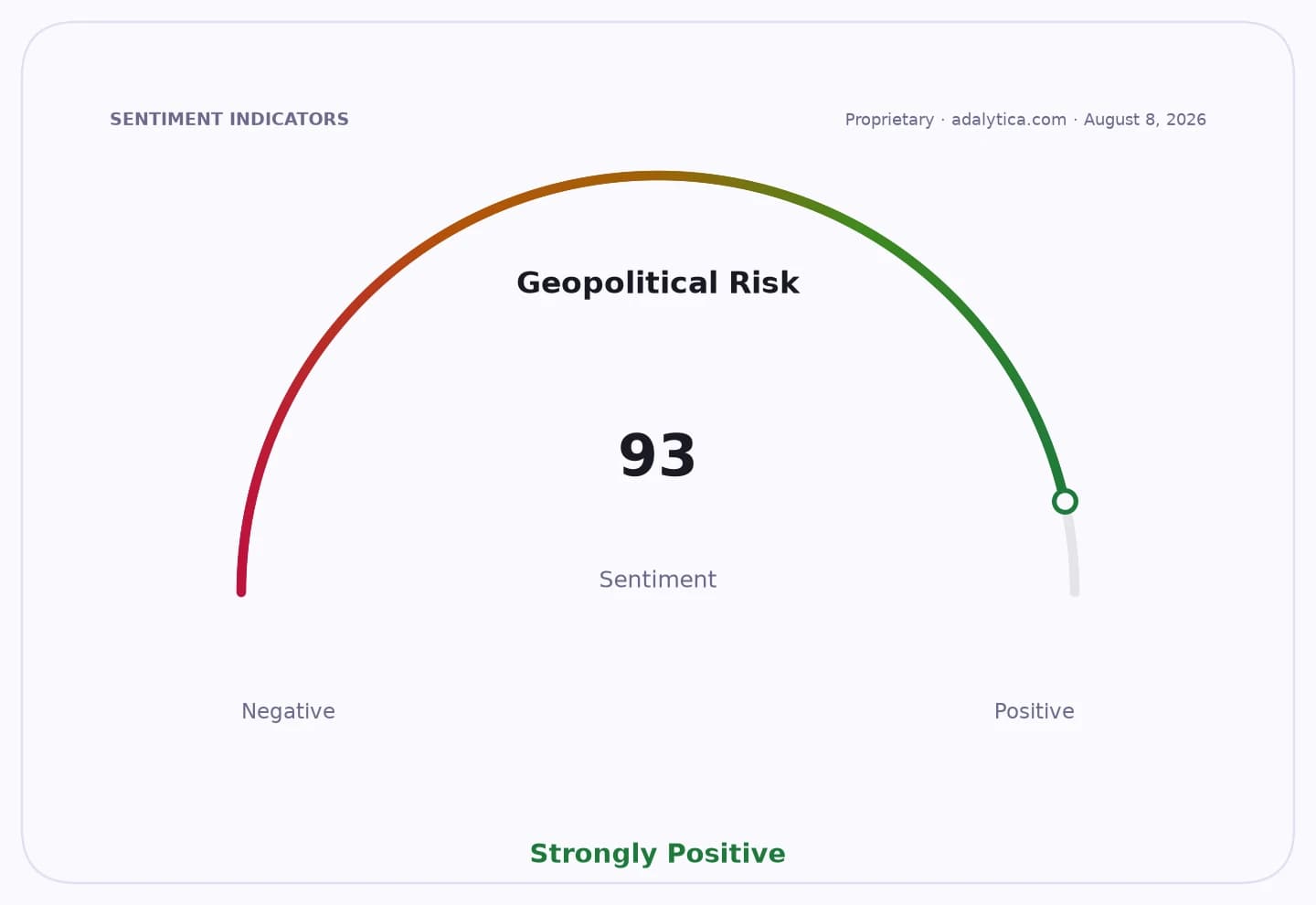
China’s grip on rare earth supply is keeping Western defense makers and manufacturers exposed to a critical raw-material choke point, even as Washington steps up investment to build alternatives outside Beijing’s reach.
The strategic risk is economic as much as geopolitical. Rare earths and the magnets, alloys and scandium they support are embedded in fighter jets, missiles, electric vehicles, wind turbines and industrial equipment, so any disruption can ripple through factory output, weapons programs and clean-energy supply chains.
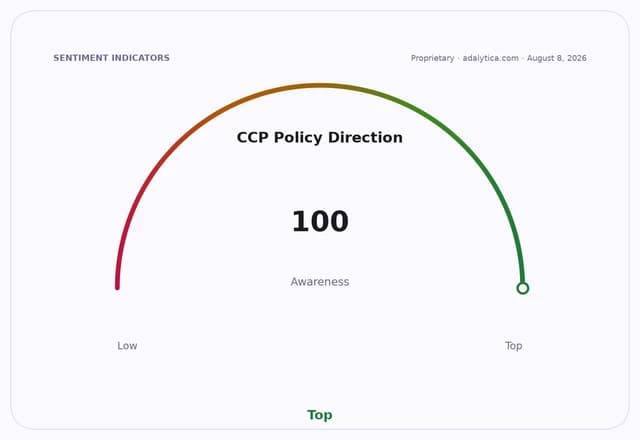
That vulnerability is why the Pentagon is set to invest $400 million in an Australian rare earth mine to secure scandium and other critical supplies for the United States. The move is another sign Washington is using direct capital to de-risk supply chains after China expanded export controls and licensing requirements on rare earths and products containing even small amounts of Chinese-origin material.
The pressure is showing up in markets too. Shares of U.S.-listed rare earth producer MP Materials have swung sharply in recent months, with the stock rebounding to $51.11 on Aug. 7 after sliding as low as $38.10 on July 29. The rebound came alongside a pickup in technical momentum, with the share price moving back above its 50-day moving average and the RSI climbing to 60.1, suggesting traders are betting that government backing and tighter supply conditions will support domestic producers.
The broader macro backdrop reinforces the story. Industrial production in the U.S. has edged higher to 102.64 in June from 102.42 in April, while producer prices for all commodities have climbed to 286.83 and are forecast to rise further to 295.84 in July, underscoring the inflationary cost of securing strategic materials. A 10-year Treasury yield near 4.69% also points to a market still pricing in sticky growth and policy risk, not a benign supply environment.
For investors, the trade-off is clear: companies with non-Chinese supply, processing capacity or defense-linked rare earth exposure may keep attracting capital, while manufacturers, defense contractors and industrial users remain vulnerable to price spikes, export delays and forced sourcing changes. The next catalyst is likely to be further U.S. industrial policy, more overseas mine financing and any fresh Chinese move on export approvals.
| Entity | Gains | Losses |
|---|---|---|
| U.S. defense and industry | ▲more secure supply | ▼continued supply-chain risk |
| Australia rare earth projects | ▲Pentagon funding | ▼dependence on execution |
| MP Materials and peers | ▲policy support, investor interest | ▼volatility from supply uncertainty |
| China | ▲leverage over critical minerals | ▼pressure to defend market share |