MUFG Gains on Japan Rate Normalization
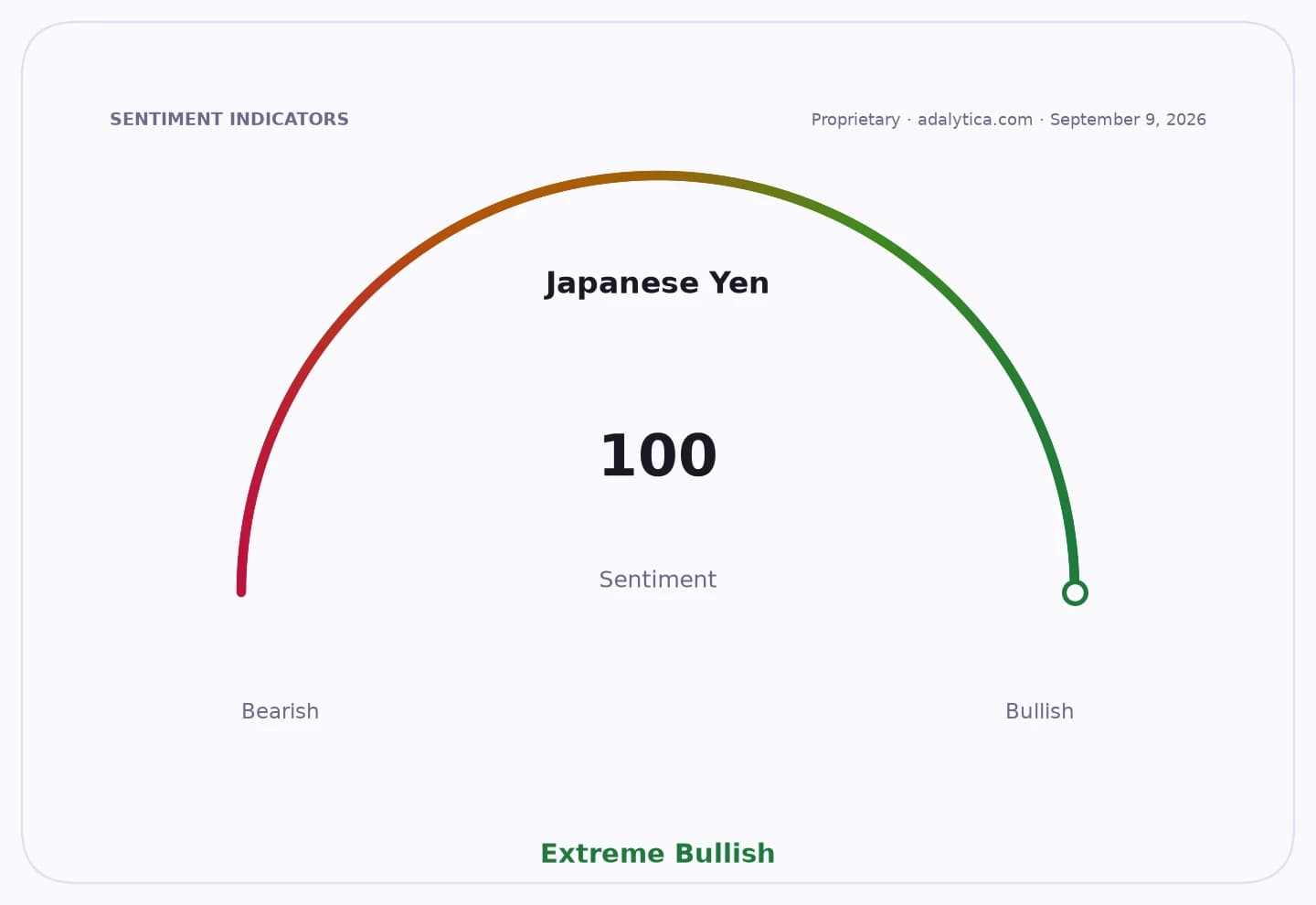
Mitsubishi UFJ Financial Group is positioning itself for a far more favorable era in Japan’s financial system, where rising interest rates and a strengthening yen could finally push idle household cash into higher-return products and away from decades of ultra-cheap funding. That matters because the bank that helps channel Japan’s savings more efficiently stands to gain as the country moves from stagnation toward a genuine capital-circulation story.
President Junichi Hanzawa’s framing of “unified group management” speaks to more than internal reorganization. For investors, it is a signal that Japan’s biggest banking groups are trying to turn a long-awaited macro shift into durable earnings power. When long-term Japanese rates climb, the spread on lending and deposit businesses improves, and banks with scale, funding strength and cross-selling power are best placed to capture that upside.
The backdrop is important. Japanese long-term rates have surged to nearly 3%, their highest level in about 30 years, as U.S. rates stay elevated and markets increasingly expect the Bank of Japan to tighten again. That has lifted demand for safer-yielding household products, including individual government bonds and bank deposits, and it is also changing the economics of corporate capital. Higher rates raise borrowing costs, but they also reward banks that can reprice assets faster than liabilities and steer customer cash into fee-generating products.
MUFG’s shares have already reflected that optimism. The stock has climbed well above its 50-day and 200-day moving averages, while conventional technical indicators such as RSI readings and MACD remain supportive even after a volatile run. The message from the tape is that investors are beginning to price in a more normalized Japanese banking environment, not just a one-off boost from rate speculation.
For long-term investors, the bigger question is whether this is the start of a structural rerating. If Japan keeps inching toward higher rates and a less distorted currency backdrop, the winners are likely to be the biggest banks, insurers and capital-market intermediaries with the scale to capture new savings flows. The losers may be borrowers accustomed to near-free money, and companies that leaned on cheap capital to survive low-rate Japan.
MUFG’s advantage is that it does not need a dramatic policy shock to benefit. It only needs a steady shift in Japan’s financial plumbing, where household savings, corporate cash and balance-sheet discipline are slowly being pulled into a more productive system. That is exactly the kind of change that can compound for years, and it makes MUFG worth watching for investors who want exposure to Japan’s next capital cycle.
| Entity | Gains | Losses |
|---|---|---|
| MUFG | ▲Wider banking spreads | ▼Low-rate complacency |
| Japanese savers | ▲Higher-yield products | ▼Cash earning little |
| Borrowers | ▲— | ▼Higher funding costs |
| Japan’s bank sector | ▲Better profitability | ▼Cheap-money era |