Muscat’s consumer watchdog is trying to make grocery shopping in the capital less of a guessing game by publishing price comparisons across basic food staples, a move that matters because even small differences in staple costs can quickly add up for households and shape demand across Oman’s retail market.
Muscat watchdog publishes grocery price comparisons
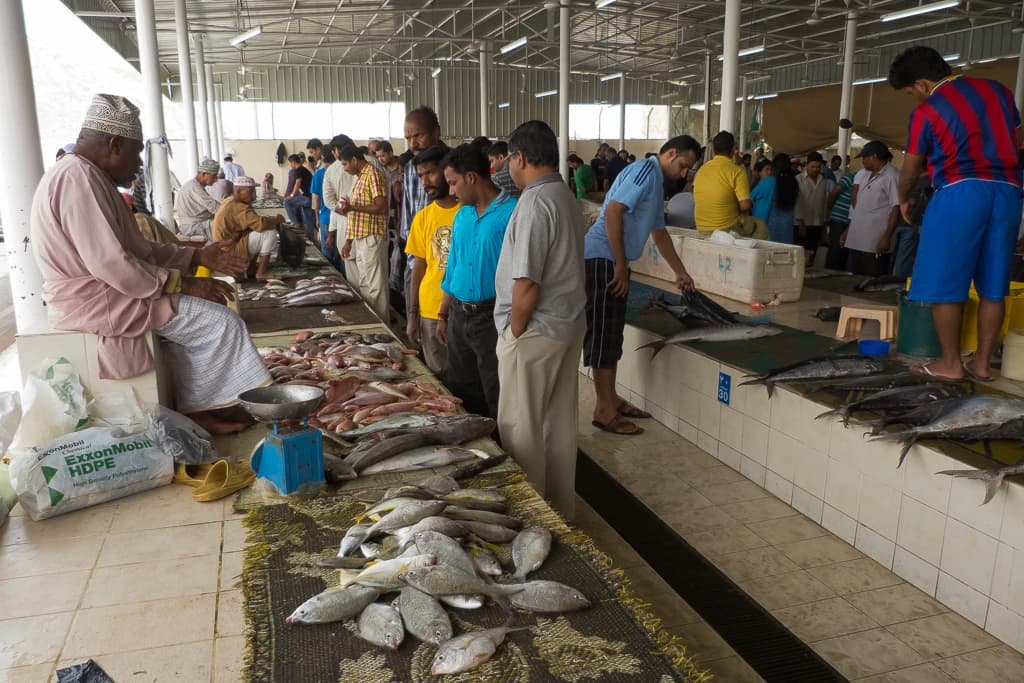
The Consumer Protection Authority said it had monitored prices of essential goods in a number of stores and shopping centers in Muscat, and found clear gaps between the cheapest and most expensive outlets. The list covers basmati rice, cooking oils, milk, flour, sugar and frozen chicken brands including Al Safa and Sadia, giving shoppers a direct way to identify where each item is sold at the lowest price.
That may sound routine, but it is economically useful. Food inflation hits lower- and middle-income families first, and in a market where staples are bought repeatedly, even modest price dispersion can affect monthly budgets. By publishing the cheapest and most expensive outlets, the authority is effectively lowering search costs for consumers and pushing retailers into a more transparent price competition.
For investors, the message is broader than Muscat. In Gulf retail, scale, sourcing power and distribution efficiency increasingly determine who can defend traffic and margins when consumers are price-sensitive. Chains with the strongest purchasing leverage and leanest logistics can win share, while weaker operators risk being undercut on the items shoppers check first. That makes value-oriented grocers and big-box retailers the natural beneficiaries of any sustained consumer push for lower staple prices.
The timing also fits a wider global backdrop of volatile food costs, where households are still dealing with uneven inflation in essentials. In that environment, governments and regulators are under pressure to show they are not just collecting data but actively helping families stretch their budgets. Public price comparison can be a modest but effective intervention, especially when consumer sentiment is soft and grocery bills remain politically sensitive.
The investable takeaway is straightforward: transparency in staple pricing favors the biggest and most efficient retailers, while it squeezes smaller stores that rely on convenience pricing. In Oman, the winners are likely to be the chains that can keep food baskets cheap without sacrificing margin, and the losers are the merchants that depend on customers not checking alternatives.
| Entity | Gains | Losses |
|---|---|---|
| Consumers in Muscat | ▲Lower grocery bills | ▼Less pricing opacity |
| Large retailers | ▲Traffic and share gains | ▼Less room for markups |
| Small grocery stores | ▲— | ▼Margin pressure |
| Consumer Protection Authority | ▲Credibility | ▼— |