Nakamoto pivots from Bitcoin treasury to cash flow
David Bailey’s Nakamoto is abandoning the easy-money Bitcoin treasury playbook and trying to rebuild itself around operating cash flow after its shares plunged about 99% from the 2025 peak and fell below the value of its own Bitcoin holdings.
That shift matters because it marks a sharp repricing of one of the most aggressive crypto-capital-market bets of the cycle. The model that once let Nakamoto issue stock to buy more Bitcoin only works when investors pay a premium for the wrapper. Once that premium vanishes, dilution becomes a liability, debt becomes a trap and the company has to start behaving like an actual business rather than a leveraged coin vault.
Bailey, who helped rally crypto support for President Donald Trump, told Bloomberg the company is now hunting acquisitions that can generate income and cash while still fitting a broader Bitcoin strategy. The message is clear: the market has shut the door on financial engineering, so Nakamoto is pivoting to fundamentals. That is an important read-through for the broader Bitcoin treasury trade, where more than $80 billion in market value has reportedly evaporated since mid-2025 as premiums over crypto holdings disappeared.
Nakamoto’s own numbers show why the turn is necessary. The company reported a net loss of $371.8 million in the first half of 2026 and ended June with about 4,467 Bitcoin worth roughly $261.5 million, $19.1 million in cash and $164.7 million in debt. It sold about 600 Bitcoin and related derivatives for $48 million in net proceeds and used most of that to repay $45 million of Bitcoin-backed borrowing. In other words, the balance sheet is being de-risked, not expanded.
For investors, the story is not really about one damaged crypto treasury stock. It is about the end of a financing regime. Bitcoin-linked companies that depended on persistent equity demand are now being forced into reverse splits, buybacks and debt reduction just to stay listed and solvent. Nakamoto carried out a 1-for-40 reverse split in May to regain Nasdaq compliance, then authorized up to $25 million in share repurchases in June. Those are distress responses, not growth signals.
The strategic pivot also underlines where the next value may migrate inside crypto. If pure treasury names can no longer command a premium, capital is likely to favor the businesses that own distribution, media, data, mining, payments or infrastructure around Bitcoin rather than the holders themselves. That makes Bailey’s earlier acquisitions of BTC Inc. and UTXO Management more interesting than the treasury trade he originally sold: operating assets can create the cash flow that speculative equity markets no longer will.
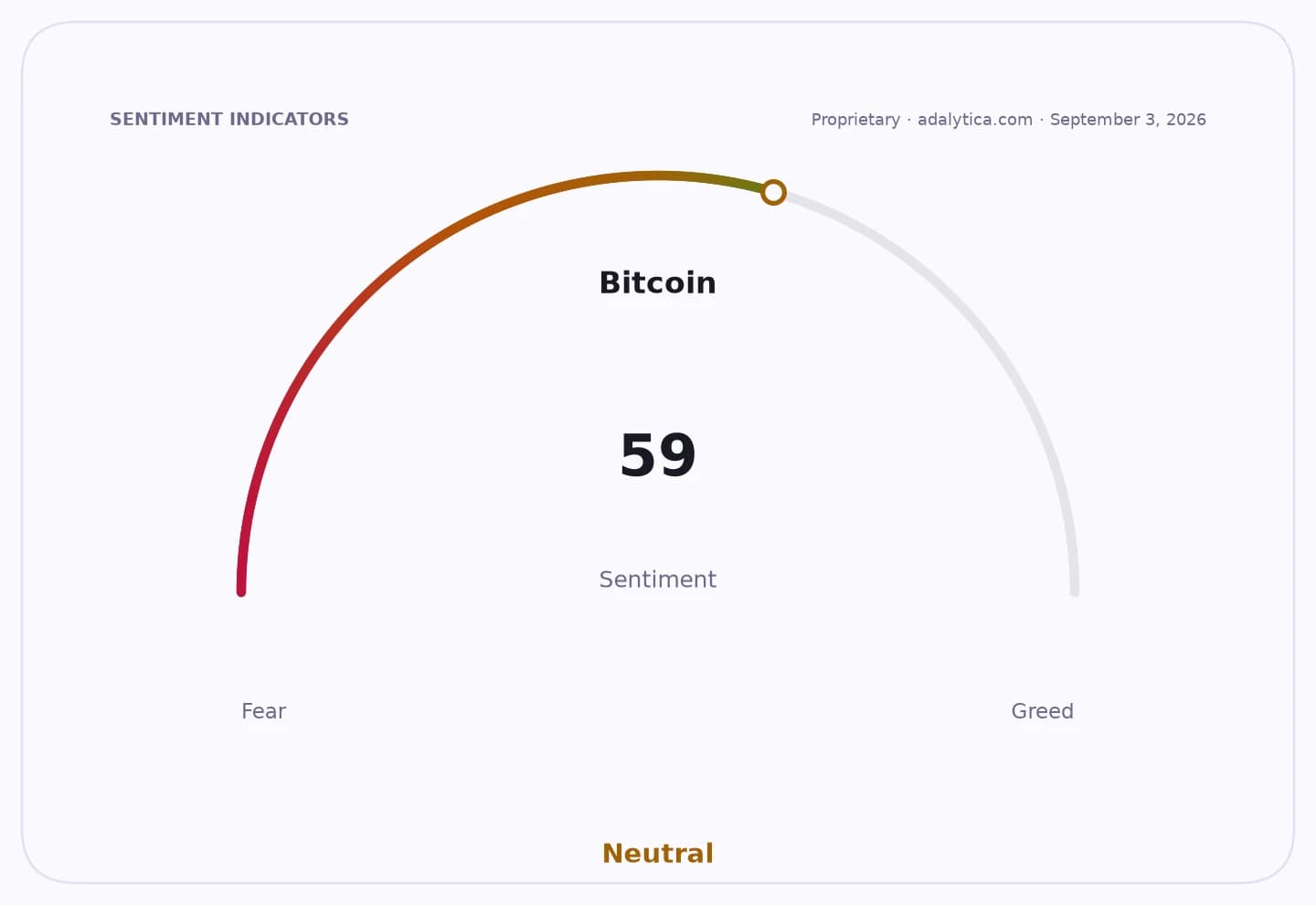
Bitcoin’s own trading backdrop is still supportive enough to keep the story alive. The token has recovered to around $77,000 to $78,000, with standard technical indicators such as the 50-day and 200-day moving averages still above current price action, while RSI readings remain elevated. But even a firmer Bitcoin does not restore the broken math of overleveraged treasury stocks. The market can like the coin and still reject the vehicle.
My view: this is the inflection point where investors stop paying for crypto exposure wrapped in hype and start paying for businesses that can compound cash. If Nakamoto can turn itself into a profitable operating platform with Bitcoin on the balance sheet, the upside is asymmetric from here. If it cannot, the stock is a warning, not an opportunity. The actionable takeaway is to favor the picks-and-shovels, cash-generating crypto infrastructure names over the pure treasury wrappers that have already lost the market’s confidence.
| Entity | Gains | Losses |
|---|---|---|
| Nakamoto operating businesses | ▲Cash flow optionality | ▼Treasury-only premium |
| Bitcoin treasury stock holders | ▲Potential restructuring upside | ▼Dilution, de-rating |
| Bitcoin-linked debt holders | ▲Lower leverage risk | ▼Less aggressive accumulation |
| Bitcoin treasury competitors | ▲Model reset pressure | ▼Market confidence |