President Donald Trump’s administration is starting to phase out U.S. financial support for Namibia’s HIV response, extending a broader retreat from foreign aid that has become a growing political and economic fault line for African health systems and for companies exposed to travel and cross-border demand.
Namibia HIV Funding Phased Out by Trump Administration
The shift matters because the money is not symbolic: Namibia has been receiving about $45 million a year through the U.S. President’s Emergency Plan for AIDS Relief, and Washington says it has contributed more than $1.1 billion to the country’s HIV response since 2003. Under the new arrangement, the U.S. will still provide $45 million in fiscal 2027, but thereafter Namibia is expected to finance its own HIV programs, with U.S. support reduced to technical cooperation.
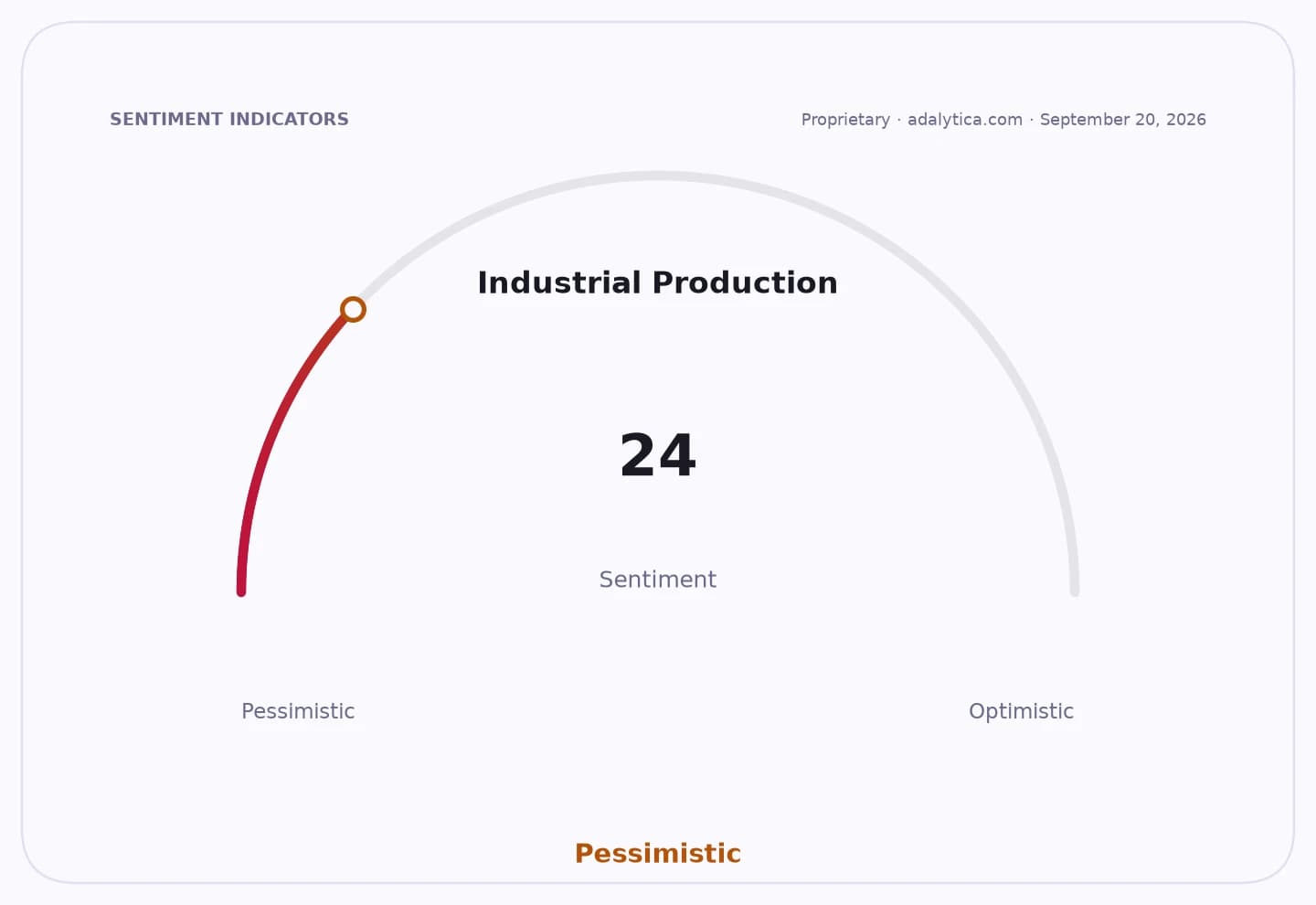
Sentiment IndicatorsⓘProprietary · adalytica.com · September 6, 2026
This is a snapshot — live sentiment, awareness and momentum for 130+ markets update continuously in the dashboard.Open AlphaPulse
For Namibia, the move raises the risk of a less predictable funding bridge even as its health system has made substantial gains. Officials say the country has already surpassed UNAIDS targets, with 96% of people living with HIV aware of their status, 98% of those diagnosed on treatment and 98% of those treated achieving viral suppression. That gives the government more room to absorb the withdrawal than countries with weaker health infrastructure, but the budget burden will still shift to domestic finances at a time when many African governments are under pressure from debt service, slower growth and competing spending demands.
The change also underscores a growing clash between Washington’s push to reduce donor dependency and recipient countries’ concerns over sovereignty and data access. Namibia rejected proposed provisions that would have required sharing health data and biological specimens with the United States, citing privacy and legal concerns. Similar disputes have already slowed or halted other bilateral packages, including a rejected deal in Ghana, a withdrawn package in Zimbabwe and a court challenge to Kenya’s agreement. That makes the Namibia decision part of a wider pattern, not an isolated aid adjustment.
For investors, the immediate market impact is limited, but the policy backdrop matters. Trump’s “America First” approach to foreign aid has already led to a phased drawdown in South Africa’s HIV funding and puts pressure on the broader aid architecture that has helped stabilize public health and, indirectly, economic activity across the region. Weakening health support can eventually feed through to labor productivity, public finances and consumer confidence, particularly in economies tied to services and travel. Any deterioration in regional health outcomes would be unwelcome for airlines, hotels and online travel groups that depend on cross-border mobility and a stable macro environment.
That linkage comes as travel-related stocks are already trading against a mixed backdrop. U.S. airline shares have shown recent volatility, with Delta Air Lines and other carriers reacting to changing demand trends and fuel costs, while Booking Holdings’ latest filing said the conflict in the Middle East continued to affect travel. In Europe, services data have been uneven, reinforcing how sensitive the sector remains to policy and geopolitical shocks. For markets, the Namibia move is another reminder that Washington’s foreign-policy choices can have second-order effects well beyond aid budgets.
The key question now is whether Namibia can convert the transition into a durable domestic-financing model without disrupting treatment coverage or program quality. If it can, the country may become a showcase for donor withdrawal under controlled conditions. If it cannot, the precedent could embolden other governments to resist similar U.S. demands on data sharing and sovereignty, complicating bilateral health deals across Africa.
| Entity | Gains | Losses |
|---|---|---|
| U.S. Treasury / Trump administration | ▲Lower aid commitments | ▼Influence over health programs |
| Namibia government | ▲More policy control | ▼Funding burden |
| U.S. health contractors | ▲Technical-cooperation roles | ▼Full aid-funded contracts |
| Regional health systems | ▲Incentive for domestic financing | ▼Risk of funding gaps |