National Bank of Uzbekistan Gets Direct CIPS Access
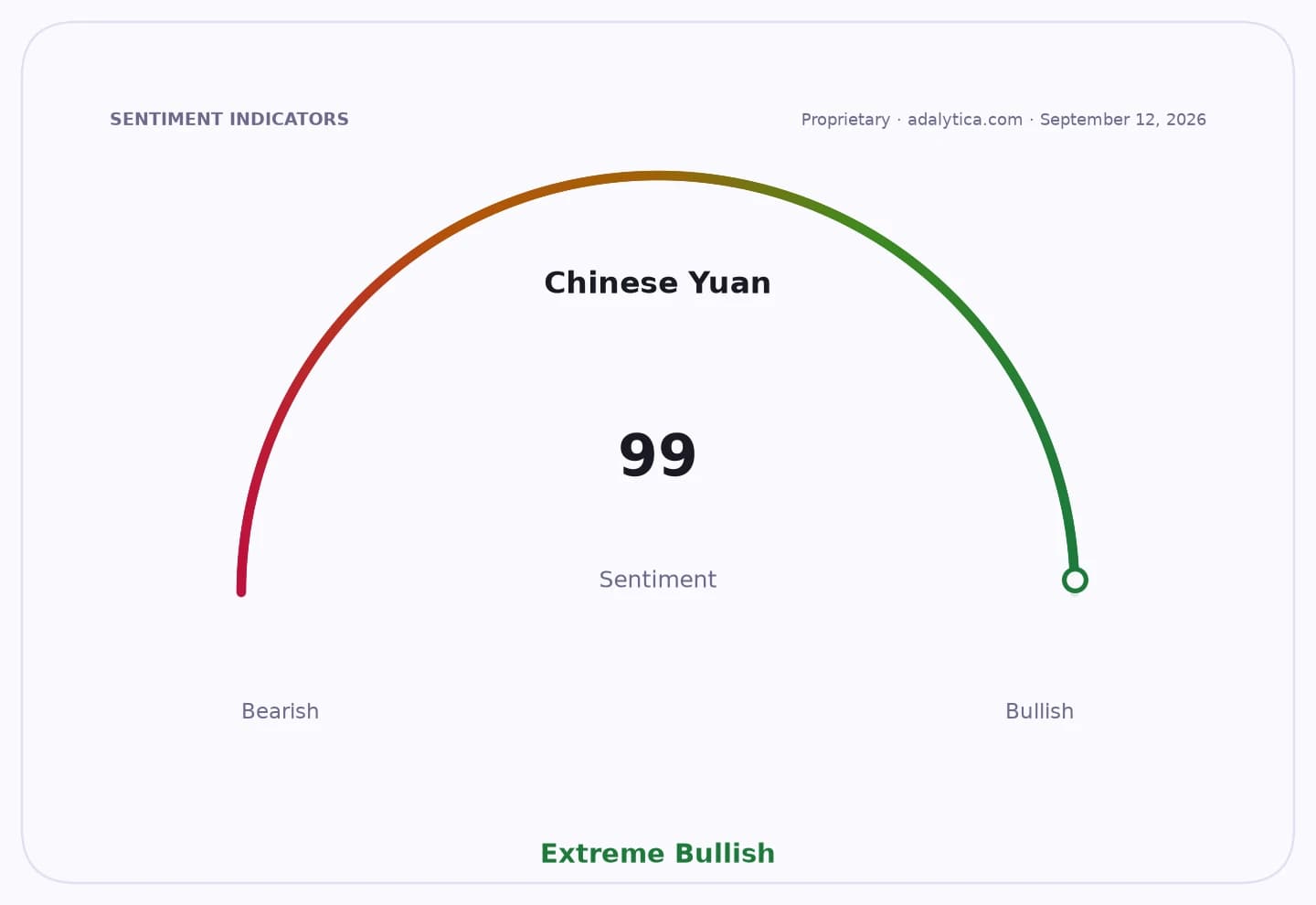
Uzbekistan’s largest state-backed lender has won direct access to China’s Cross-Border Interbank Payment System, a move that should cut the cost and speed up yuan settlements for trade with its biggest commercial partner while nudging Central Asia’s financial plumbing further away from dollar-centric correspondent banking.
National Bank of Uzbekistan, the country’s main external-trade bank, said it signed an agreement with CIPS Co. in Hong Kong for direct connectivity, making it the first commercial bank in Uzbekistan to plug into the yuan clearing network. The bank said the status will allow it to process renminbi transactions without intermediary correspondent banks, reducing settlement frictions on imports, exports and project finance tied to China.
The economic significance is broader than a technical payments upgrade. CIPS, launched by the People’s Bank of China in 2015, is designed to expand the international use of the yuan and combines messaging, clearing and settlement in the currency. The system now links more than 1,800 financial institutions in over 130 countries and handled more than 180.2 trillion yuan in payments in 2025, according to the bank’s disclosure. For a country such as Uzbekistan, whose trade ties with China continue to deepen, direct access can make yuan invoicing more practical and could encourage more local borrowers to fund China-linked purchases in the Chinese currency.
That matters for investors because lower transaction costs and faster settlement can support trade finance volumes, strengthen a bank’s fee income and improve the economics of supplying credit lines in yuan. National Bank said its yuan credit lines already exceed 11.5 billion yuan, or about $1.6 billion, suggesting the bank is already sitting on a material base of China-linked assets and liabilities. Direct CIPS access could help it become a regional clearing hub for other Uzbek lenders, concentrating flows through the country’s largest systemic bank and reinforcing its role in cross-border finance.
The timing also fits a wider policy pattern. Uzbekistan has been pushing to raise trade with China toward $30 billion, and the agreement was signed during a visit to Hong Kong by a government delegation led by Prime Minister Abdulla Aripov. For Beijing, expanding CIPS usage across emerging markets supports the longer-term internationalisation of the yuan at a time when trade partners are increasingly looking for payment routes that bypass western banks. For Tashkent, it offers another channel to finance imports, settle contracts and reduce exposure to currency and correspondent-bank bottlenecks.
The bullish case is that the move makes the bank more indispensable in China-related financing, deepens bilateral trade and adds resilience to payment infrastructure. The bear case is that yuan settlement also increases the bank’s exposure to China-linked funding and policy cycles, while leaving Uzbekistan’s wider banking system still reliant on a single national hub. Investors will be watching whether other local banks follow, how quickly transaction volumes build and whether CIPS access starts to show up in the bank’s fee income, funding mix and foreign-trade business over the coming quarters.
| Entity | Gains | Losses |
|---|---|---|
| National Bank of Uzbekistan | ▲Faster yuan settlements | ▼Correspondent-bank fees |
| Uzbek exporters/importers | ▲Lower payment costs | ▼FX friction and delays |
| China/CIPS | ▲Wider yuan usage | ▼Dollar-centric routing |
| Other Uzbek banks | ▲Potential access via hub | ▼Direct access advantage |